
Introduction
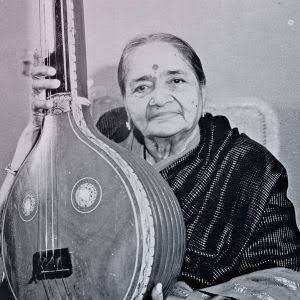
D. K. Pattammal was one of the greatest Carnatic vocalists in Indian classical music. Renowned for her powerful voice, technical brilliance, and devotion to traditional music, she became one of the celebrated female trinity of Carnatic music, alongside M. S. Subbulakshmi and M. L. Vasanthakumari. She broke social barriers for women in classical music and inspired generations of musicians through her exceptional performances and teaching.
Early Life
Damal Krishnaswamy Pattammal, popularly known as D. K. Pattammal, was born into a traditional Brahmin family in Kanchipuram, Tamil Nadu. From an early age, she displayed remarkable musical talent. Although women of her community were generally discouraged from performing publicly at the time, her parents encouraged her passion for music. Her determination and dedication enabled her to become one of the leading figures in Carnatic music.
Birth Date and Death
- Born: March 19, 1919
- Place of Birth: Kanchipuram, Tamil Nadu, India
- Died: July 16, 2009
- Place of Death: Chennai, Tamil Nadu, India
- Age at Death: 90 years
Education and Career
Education
D. K. Pattammal did not receive formal university education. Instead, she underwent rigorous training in Carnatic classical music under her father, Damal Krishnaswamy Dikshitar, and later learned from several respected musicians and scholars. Her commitment to continuous learning helped her master complex musical compositions and rare ragas.
Career
D. K. Pattammal began performing at a young age and soon became one of the most respected Carnatic vocalists in India. She was especially known for rendering the complex compositions of the Trinity of Carnatic Music—Tyagaraja, Muthuswami Dikshitar, and Syama Sastri.
She also sang patriotic songs during India’s freedom movement, making music a medium of national pride. In addition to classical concerts, she recorded devotional songs and contributed memorable performances to Tamil films.
Career and Achievements
1. Pioneer for Women in Carnatic Music
D. K. Pattammal broke long-standing social barriers by becoming one of the first women to perform complex Carnatic compositions on major public stages.
2. Master of Classical Music
She was celebrated for her flawless rendition of intricate ragas, pallavis, and kritis, earning immense respect from musicians and audiences alike.
3. Patriotic Contributions
During India’s freedom struggle, she popularized patriotic songs composed by national poet Subramania Bharati, inspiring people through music.
4. Mentor and Teacher
She trained many students who later became accomplished Carnatic musicians, helping preserve and promote India’s classical music traditions.
5. International Recognition
Her performances across India and abroad introduced global audiences to the richness of Carnatic music.
Why Did D. K. Pattammal Receive the Padma Vibhushan Award?
D. K. Pattammal was awarded the Padma Vibhushan in 1998 for her exceptional contribution to Indian classical music.
The award recognized her:
- Outstanding achievements in Carnatic vocal music.
- Lifelong dedication to preserving and promoting Indian classical traditions.
- Pioneering role in creating opportunities for women in classical music.
- Contribution to India’s cultural heritage through concerts, recordings, and teaching.
- Influence on generations of musicians and music lovers.
Field of Achievement
D. K. Pattammal made remarkable contributions in:
- Carnatic Classical Music
- Vocal Performance
- Music Education
- Devotional Music
- Cultural Heritage
- Patriotic Music
Awards and Honours
D. K. Pattammal received numerous prestigious honours, including:
- Padma Bhushan (1971)
- Padma Vibhushan (1998)
- Sangeet Natak Akademi Award
- Sangeet Natak Akademi Fellowship
- Sangita Kalanidhi awarded by the The Music Academy, Chennai
- Numerous state and national honours for her contribution to music
Interesting Facts
- D. K. Pattammal was one of the legendary Female Trinity of Carnatic Music, along with M. S. Subbulakshmi and M. L. Vasanthakumari.
- She was among the first women to perform Ragam-Tanam-Pallavi, considered one of the most challenging forms of Carnatic music.
- She popularized many patriotic songs written by Subramania Bharati during the Indian independence movement.
- Her disciplined style and clear pronunciation made her performances highly respected.
- She inspired countless women to pursue careers in classical music.
Legacy and Inspiration
D. K. Pattammal’s legacy lives on through her timeless recordings, dedicated students, and lasting influence on Carnatic music. She demonstrated that talent, determination, and discipline could overcome social barriers. Her life continues to inspire aspiring musicians, especially women, to preserve India’s rich musical traditions while striving for excellence.
Contribution to the Nation
D. K. Pattammal made significant contributions to India by:
- Preserving and promoting the heritage of Carnatic classical music.
- Inspiring national pride through patriotic songs during the freedom movement.
- Breaking gender barriers in the field of Indian classical music.
- Training future generations of Carnatic musicians.
- Representing Indian culture through performances across India and internationally.
- Enriching India’s cultural identity with her lifelong dedication to music.
Conclusion
D. K. Pattammal was a pioneering Carnatic vocalist whose extraordinary talent, discipline, and dedication transformed Indian classical music. Through her remarkable performances, teaching, and patriotic contributions, she strengthened India’s cultural heritage and inspired generations of musicians. Her receipt of the Padma Vibhushan recognized her immense contribution to the arts and the nation. Today, she is remembered as one of the greatest legends of Carnatic music, and her legacy continues to inspire music lovers around the world.
About the Author