Introduction
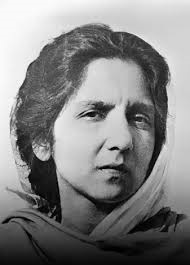
Aruna Asaf Ali was one of India’s most courageous freedom fighters, social reformers, and political leaders. She is best remembered for her fearless role during the Quit India Movement of 1942, when she hoisted the Indian National Congress flag at Gowalia Tank Maidan in Bombay (now Mumbai), inspiring thousands to continue the struggle for independence. Her dedication to the freedom movement, social justice, and public service earned her the Padma Vibhushan, India’s second-highest civilian honour. She is remembered as a symbol of courage, patriotism, and women’s empowerment.
Early Life
Aruna Asaf Ali was born into a Bengali Brahmo family that valued education and progressive thinking.
- Full Name: Aruna Asaf Ali (born Aruna Ganguly)
- Date of Birth: July 16, 1909
- Place of Birth: Kalka, Punjab Province, British India (now in Haryana, India)
- She grew up in a liberal family and developed a strong sense of justice and independence from an early age.
Birth Date and Death
- Born: July 16, 1909
- Died: July 29, 1996
- Age at Death: 87 years
- Place of Death: New Delhi, India
Her contributions to India’s independence and social development continue to inspire generations.
Education and Career
Aruna Asaf Ali received her education at Sacred Heart Convent School in Lahore and later at All Saints’ College in Nainital.
After completing her education, she worked as a teacher before joining the Indian freedom movement. Inspired by Mahatma Gandhi and other national leaders, she actively participated in the struggle against British rule.
During the Quit India Movement, she became a prominent underground leader after many senior leaders were arrested. She later continued her public service through politics, journalism, and social work. She also served as the first Mayor of Delhi after Independence.
Career and Achievements
Aruna Asaf Ali achieved many significant milestones throughout her life:
- Played a leading role in the Quit India Movement (1942).
- Hoisted the Indian National Congress flag at Gowalia Tank Maidan despite heavy police action.
- Worked as an underground freedom fighter during British rule.
- Was imprisoned several times for participating in the independence movement.
- Served as the first Mayor of Delhi after Independence.
- Promoted women’s rights, education, and social welfare.
- Contributed to journalism and founded publications supporting democratic values.
Field of Achievement
Aruna Asaf Ali made remarkable contributions in:
- Freedom Movement
- Public Affairs
- Social Service
- Women’s Empowerment
- Politics
- Journalism
Her work strengthened India’s democratic and social institutions.
Why Did She Receive the Padma Vibhushan Award?
Aruna Asaf Ali was awarded the Padma Vibhushan in 1992 for her exceptional contributions to Public Affairs.
The award recognized:
- Her fearless leadership during the Indian freedom struggle.
- Her outstanding role in the Quit India Movement.
- Her lifelong commitment to democracy, social justice, and public service.
- Her efforts to promote women’s rights and education.
- Her contribution to nation-building after Independence.
Awards and Honours
Aruna Asaf Ali received several prestigious honours during her lifetime and posthumously, including:
- Padma Vibhushan (1992) – India’s second-highest civilian award for Public Affairs.
- Jawaharlal Nehru Award for International Understanding (1991).
- Bharat Ratna (1997, posthumously) – India’s highest civilian honour.
- International Lenin Peace Prize (1964) for promoting peace and friendship among nations.
- Numerous recognitions from educational, social, and governmental institutions.
Interesting Facts
- Aruna Asaf Ali became famous for hoisting the Indian National Congress flag during the Quit India Movement in 1942.
- She remained underground for several years to avoid arrest by the British authorities.
- She married Asaf Ali, a prominent freedom fighter and lawyer, despite differences in religion and age, making their marriage notable for its time.
- She became the first Mayor of Delhi after Independence.
- She strongly supported women’s education and social equality.
- She was popularly known as the “Grand Old Lady of the Independence Movement.”
Legacy and Inspiration
Aruna Asaf Ali’s courage and determination continue to inspire Indians, especially young people and women. Her role in the freedom struggle demonstrated that leadership is defined by conviction and action rather than position. Schools, institutions, and public programs continue to honour her legacy, encouraging future generations to work for justice, equality, and national progress.
Contribution to the Nation
Aruna Asaf Ali made lasting contributions to India by:
- Playing a leading role in the freedom struggle.
- Inspiring people through her courageous leadership during the Quit India Movement.
- Promoting women’s rights and social equality.
- Serving the public through politics and local governance.
- Supporting education, journalism, and democratic values.
- Encouraging future generations to uphold patriotism and public service.
Her dedication helped strengthen India’s democratic foundations and inspired millions of citizens.
Conclusion
Aruna Asaf Ali was a fearless freedom fighter, social reformer, and visionary leader whose contributions to India’s independence and development remain unforgettable. Her bravery during the Quit India Movement and her lifelong commitment to public service earned her the Padma Vibhushan and, later, the Bharat Ratna. Today, she is remembered as one of India’s greatest women leaders and an enduring symbol of courage, patriotism, and social justice.
About the Author