

Introduction
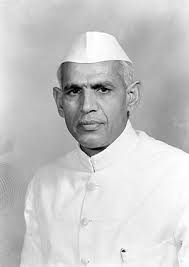
Kalu Lal Shrimali, popularly known as K. L. Shrimali, was a renowned educationist, social worker, and former Union Minister of Education of India. He made significant contributions to the development of India’s education system, particularly in the fields of higher education, teacher training, and educational planning. He believed that education was the foundation for national progress and worked to expand learning opportunities across the country. For his outstanding contributions to Education and Public Affairs, he was awarded the prestigious Padma Vibhushan in 1976.
Early Life
K. L. Shrimali was born in Rajasthan into a family that valued education and social responsibility. From an early age, he developed a strong interest in learning and public service.
His dedication to education led him to become an influential teacher, administrator, and policymaker who worked for improving India’s educational system after independence.
Birth Date and Death
- Full Name: Kalu Lal Shrimali
- Date of Birth: 29 December 1909
- Place of Birth: Udaipur, Rajasthan, India
- Date of Death: 5 January 2000
- Age at Death: 90 years
Education and Career
K. L. Shrimali received his education in India and later pursued higher studies abroad. He specialized in education and became deeply involved in teaching, research, and educational administration.
His important career positions include:
- Professor and educationist.
- Member of educational planning committees.
- Founder and leader of educational institutions.
- Member of the Rajya Sabha.
- Minister of State for Education in the Government of India (1955–1958).
- Union Minister of Education (1958–1963).
He played a major role in shaping India’s education policies during the early years of nation-building.
Career and Achievements
K. L. Shrimali made important contributions to India’s educational development.
His major achievements include:
- Worked for the expansion of education after India’s independence.
- Promoted the improvement of universities and higher education.
- Encouraged teacher training and professional development.
- Supported scientific and technical education.
- Contributed to educational planning and policy-making.
- Played a role in strengthening institutions such as the University Grants Commission.
His vision helped create a stronger foundation for India’s modern education system.
Why Did He Receive the Padma Vibhushan Award?
K. L. Shrimali received the Padma Vibhushan in 1976 for his outstanding contributions to Education and Public Affairs.
The Government of India honoured him because:
- He dedicated his life to improving education in India.
- He helped shape national education policies.
- He promoted access to quality education.
- He strengthened higher education institutions.
- He worked for the development of teachers, students, and educational systems.
His efforts played an important role in building India’s educational infrastructure.
Field of Achievement
K. L. Shrimali made significant contributions in:
- Education
- Educational Administration
- Public Policy
- Higher Education Development
- Teacher Training
- Social Service
He is remembered as one of India’s important education planners and reformers.
Awards and Honours
K. L. Shrimali received several honours for his contributions, including:
- Padma Vibhushan (1976)
- National recognition for his contributions to education and public service.
- Honours from educational institutions for his leadership and academic work.
Interesting Facts
- K. L. Shrimali served as India’s Education Minister during a crucial period of educational development.
- He believed education was essential for democracy and national progress.
- He worked to improve both rural and higher education opportunities.
- He contributed to the growth of educational planning in independent India.
- He was known for his simple lifestyle and dedication to public service.
- His ideas influenced education policies in India for many years.
Legacy and Inspiration
K. L. Shrimali’s legacy continues through India’s educational institutions and policies. His vision of education as a tool for social transformation remains relevant today.
He continues to inspire:
- Teachers
- Education administrators
- Policymakers
- Students
- Social reformers
His life demonstrates how education can become a powerful force for national development.
Contribution to the Nation
K. L. Shrimali made valuable contributions to India’s progress through education and public service.
His contributions include:
- Strengthening India’s education system after independence.
- Promoting higher education and research.
- Supporting teacher development programmes.
- Encouraging educational opportunities for all sections of society.
- Helping create policies for long-term educational growth.
His work helped lay the foundation for India’s modern education framework.
Conclusion
K. L. Shrimali was a visionary educationist and national leader who dedicated his life to improving India’s education system. His contributions to educational planning, higher education, and public service earned him the Padma Vibhushan in 1976. Through his dedication and leadership, he helped shape the future of Indian education and inspired generations of educators and students. His legacy continues to highlight the importance of education in building a strong and progressive nation.
About the Author




