K.Bashyam (Arya)
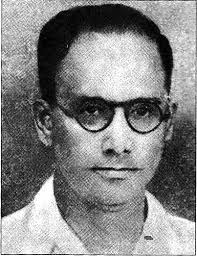
K. Bashyam, popularly known by his pen name Arya, was a courageous Indian freedom fighter, artist, and nationalist from Tamil Nadu. He is remembered for his daring acts against British rule and for his contributions to Indian art after Independence.
Early Life and Education
K. Bashyam was born on 26 January 1907 in Serangulam (Cherangulam), near Mannargudi in present-day Tamil Nadu. His parents were Kuppuswami Ayyangar and Shenbaga Lakshmi Amma. From a young age, he displayed strong patriotic feelings and was deeply affected by the growing national movement against British rule.
He pursued his education in Tamil Nadu and became actively involved in student political activities. During the protests against the Simon Commission in 1928, he participated in demonstrations and was expelled from college for his nationalist activities.
Education & Skills
Although his formal education was interrupted by his involvement in the freedom struggle, Bashyam possessed remarkable talents:
- Skilled artist and painter
- Political cartoonist and illustrator
- Sculptor and portrait artist
- Public speaker and nationalist organizer
- Expert in drawing realistic portraits of national leaders and historical figures
He was largely a self-taught artist and later became one of Tamil Nadu’s respected portrait painters.
Contribution to Tamil Literature
K. Bashyam was not primarily a literary writer, but he contributed to Tamil culture through his illustrations, political cartoons, and artistic representations of Tamil icons.
His most famous cultural contribution was creating one of the most widely recognized portraits of Subramania Bharati. The image of Bharati with a turban and moustache that appears in books, schools, and public institutions is largely based on Bashyam’s artistic work.
Through his cartoons and illustrations published under the name Arya, he promoted patriotism and social awareness among Tamil readers.
Role in India’s Freedom Movement
K. Bashyam played an active role in India’s struggle for independence.
Early Nationalist Activities
- Attended meetings condemning the Jallianwala Bagh Massacre.
- Inspired by Mahatma Gandhi and the Non-Cooperation Movement.
- Participated in protests against British policies and foreign goods.
The Fort St. George Incident
His most famous act occurred on 26 January 1932. Defying British authorities, Bashyam climbed the towering flagstaff at Fort St. George in Madras (now Chennai) and hoisted the Congress flag as a symbol of India’s demand for freedom. This daring action became a powerful nationalist symbol and inspired many freedom fighters across South India.
Imprisonment
Following his activities, he was arrested and imprisoned by the British government. During his imprisonment, he came into contact with several prominent freedom fighters, including Subhas Chandra Bose.
Promotion of Swadeshi
Bashyam actively promoted:
- Khadi and indigenous products
- Boycott of foreign goods
- Peaceful resistance against colonial rule
- Nationalist awareness among ordinary citizens
He endured physical attacks and harassment while campaigning against foreign cloth shops and liquor stores.
Personal Life
Bashyam came from a respected family. His uncle was N. Gopalaswami Ayyangar, a prominent civil servant and later a national leader. Despite his family’s social standing, Bashyam chose a life dedicated to the freedom movement and national service.
After India gained independence, he devoted himself to art and established The United Arts in 1945. He created portraits, statues, and illustrations of national leaders and historical personalities.
Death
K. Bashyam passed away in 1999 at the age of 92. Even after Independence, he remained a humble patriot and reportedly refused to accept the government pension offered to freedom fighters.
Legacy
His contributions continue to be honored in Tamil Nadu:
- A bust of K. Bashyam was installed at the Gandhi Mandapam complex in Chennai.
- He is remembered as one of Tamil Nadu’s courageous freedom fighters.
- His artistic portrayal of Bharati remains iconic.
- His act of hoisting the Congress flag at Fort St. George is celebrated as a remarkable example of patriotism and bravery.
Conclusion
K. Bashyam (Arya) was a rare combination of revolutionary patriot and talented artist. His fearless resistance to British rule, dedication to the nationalist cause, and lasting contributions to Tamil cultural history make him an important figure in India’s freedom struggle. His life serves as an inspiring example of courage, sacrifice, and devotion to the nation.
About the Author