Introduction
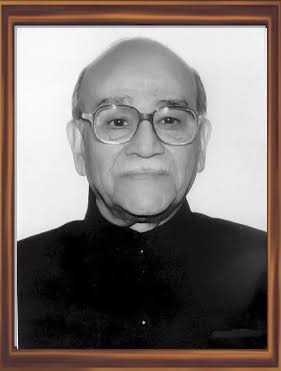
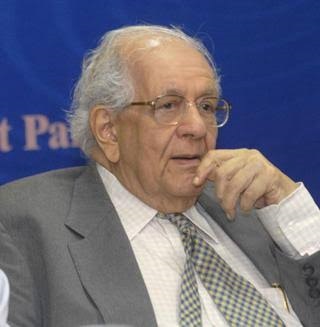
Homi Nusserwanji Sethna was one of India’s most distinguished nuclear engineers, chemical engineers, and science administrators. He played a crucial role in developing India’s nuclear energy programme and was instrumental in establishing the country’s capability to produce nuclear fuel. As Chairman of the Atomic Energy Commission of India, he helped advance India’s atomic energy and strategic research. In recognition of his exceptional contributions to science and engineering, he was awarded the prestigious Padma Vibhushan in 1975.
Early Life
Homi Nusserwanji Sethna was born into a Parsi family in Mumbai (then Bombay). From an early age, he showed a keen interest in science, engineering, and technology. Encouraged by his family and teachers, he pursued engineering studies, laying the foundation for a remarkable career in nuclear science.
His technical expertise and leadership would later make him one of the key figures in India’s atomic energy programme.
Birth Date and Death
- Full Name: Homi Nusserwanji Sethna
- Date of Birth: 24 August 1923
- Place of Birth: Mumbai (then Bombay), Maharashtra, India
- Date of Death: 5 September 2010
- Age at Death: 87 years
Education and Career
Homi Sethna studied chemical engineering at University Department of Chemical Technology (now the Institute of Chemical Technology). After completing his education, he joined India’s growing atomic energy programme under the leadership of Homi J. Bhabha.
During his distinguished career, he held several important positions, including:
- Chemical Engineer in the atomic energy programme
- Chief Project Engineer for India’s plutonium plant
- Director of the Bhabha Atomic Research Centre (BARC)
- Chairman of the Atomic Energy Commission of India
- Secretary, Department of Atomic Energy
His leadership was vital in strengthening India’s nuclear infrastructure and research capabilities.
Career and Achievements
Homi Sethna made significant contributions to India’s nuclear science and engineering.
His major achievements include:
- Led the construction of India’s first plutonium reprocessing plant at Trombay.
- Played a key role in developing indigenous nuclear fuel technologies.
- Served as Chairman of the Atomic Energy Commission during a crucial phase of India’s nuclear programme.
- Contributed to the success of Pokhran-I (“Smiling Buddha”), India’s first nuclear test in 1974.
- Promoted the peaceful use of nuclear energy for electricity generation, medicine, agriculture, and industry.
- Strengthened India’s self-reliance in nuclear technology.
His work helped establish India as a major force in nuclear science and engineering.
Why Did He Receive the Padma Vibhushan Award?
Homi Sethna received the Padma Vibhushan in 1975 for his exceptional contributions to Science and Engineering, particularly in nuclear engineering and atomic energy.
The Government of India honored him because:
- He made pioneering contributions to India’s nuclear energy programme.
- He developed key nuclear fuel and reprocessing technologies.
- He strengthened India’s scientific and technological self-reliance.
- He played an important leadership role in India’s first successful nuclear test.
- He advanced the peaceful and strategic applications of atomic energy.
His achievements greatly enhanced India’s scientific and technological capabilities.
Field of Achievement
Homi Sethna excelled in several fields, including:
- Nuclear Engineering
- Chemical Engineering
- Atomic Energy
- Scientific Research
- Science Administration
- Nuclear Technology
He is regarded as one of the architects of India’s nuclear engineering programme.
Awards and Honours
Homi Sethna received several prestigious honours during his lifetime, including:
- Padma Shri (1959)
- Padma Bhushan (1966)
- Padma Vibhushan (1975)
- Honorary doctorates from leading universities.
- Fellowships and recognitions from scientific and engineering institutions.
These honours reflected his extraordinary contributions to science, engineering, and national development.
Interesting Facts
- Homi Sethna supervised the construction of India’s first plutonium reprocessing plant.
- He worked closely with Homi J. Bhabha and later with Raja Ramanna.
- He served as Chairman of the Atomic Energy Commission after India’s first nuclear test.
- He strongly promoted indigenous technology to reduce dependence on foreign expertise.
- He played an important role in expanding India’s civilian nuclear energy programme.
- He received all three major Padma civilian honours—Padma Shri, Padma Bhushan, and Padma Vibhushan.
Legacy and Inspiration
Homi Sethna’s legacy lives on through India’s nuclear energy programme and scientific institutions. His leadership helped establish a strong foundation for indigenous nuclear technology and advanced research.
He continues to inspire:
- Nuclear engineers
- Chemical engineers
- Scientists
- Researchers
- Students
- Science administrators
His career demonstrates how innovation, technical excellence, and public service can contribute to national progress.
Contribution to the Nation
Homi Sethna made invaluable contributions to India’s scientific and strategic development.
His contributions include:
- Developing indigenous nuclear fuel and reprocessing technology.
- Strengthening India’s atomic energy infrastructure.
- Supporting the successful implementation of India’s first nuclear test.
- Promoting peaceful uses of nuclear energy in power generation, medicine, and agriculture.
- Building scientific institutions that continue to drive research and innovation.
His work significantly enhanced India’s self-reliance in nuclear science and technology.
Conclusion
Homi Nusserwanji Sethna was one of India’s foremost nuclear engineers and science administrators. His pioneering work in nuclear engineering, leadership of the Atomic Energy Commission, and contributions to India’s atomic energy and strategic programmes earned him the Padma Vibhushan in 1975. Through his vision, technical expertise, and dedication to national development, he helped build a strong foundation for India’s nuclear capabilities. His enduring legacy continues to inspire scientists, engineers, and innovators across the country.
About the Author