Introduction
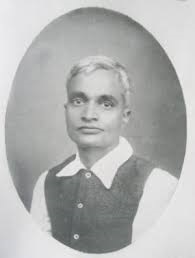
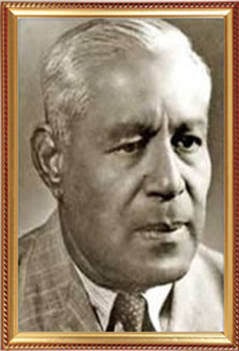
John Matthai (10 January 1886 – 9 February 1959) was a distinguished Indian economist, educationist, and politician who played a significant role in shaping India’s economy during the early years after independence. He served as India’s first Railway and Transport Minister and later as the country’s second Finance Minister. Known for his honesty, integrity, and economic vision, John Matthai made remarkable contributions to public administration, education, and economic planning.
Why Did John Matthai Receive the Padma Vibhushan Award?
John Matthai was posthumously honored with the Padma Vibhushan, India’s second-highest civilian award, in 1959. He received this prestigious recognition for his exceptional service in public affairs, particularly for:
- His outstanding contribution to India’s economic policies after Independence.
- Serving as the Finance Minister during a crucial period of nation-building.
- Strengthening India’s railway and transport systems.
- Promoting higher education and academic excellence.
- His lifelong dedication to public service, integrity, and national development.
Career and Achievements
John Matthai had an illustrious career spanning academics, public administration, business, and politics.
Some of his major achievements include:
- Served as India’s Railway and Transport Minister (1947–1948).
- Became India’s Finance Minister (1949–1950).
- Presented the Union Budget of India in 1950.
- Played an important role in shaping India’s economic framework after Independence.
- Served as Vice-Chancellor of the University of Bombay.
- Held leadership positions in several major financial and industrial institutions.
- Contributed significantly to India’s educational and banking sectors.
Early Life
John Matthai was born on 10 January 1886 in Kozhikode (Calicut), Kerala, into a respected Christian family. From an early age, he showed exceptional academic ability and a deep interest in economics and public affairs. His disciplined upbringing and passion for learning laid the foundation for his future success.
Education and Career
John Matthai completed his higher education at:
- University of Madras
- He specialized in Economics and later became a respected professor.
Professional Career
- Worked as a professor of economics.
- Joined government service and became an economic advisor.
- Entered the Union Cabinet after India’s Independence.
- Served as Railway and Transport Minister.
- Later became Finance Minister of India.
- Worked with several business organizations and financial institutions after resigning from the Cabinet.
Field of Achievement
John Matthai made lasting contributions in several fields:
- Economics
- Public Administration
- Finance
- Education
- Railway Development
- National Economic Planning
- Banking and Industrial Development
His expertise helped shape India’s economic and administrative systems during the country’s formative years.
Awards and Honours
- Padma Vibhushan (1959) – Awarded for exceptional service in public affairs.
- Honored by various universities for his contributions to education and economics.
- Remembered as one of India’s pioneering economists and policymakers.
Interesting Facts
- John Matthai was India’s second Finance Minister after Independence.
- He resigned from the Cabinet due to differences over aspects of economic planning, demonstrating his commitment to his principles.
- He strongly believed in balanced economic development and responsible financial management.
- He was respected across political and academic circles for his integrity.
- He also served as the first Chairman of the State Bank of India after its establishment in 1955.
- Several institutions and memorial lectures continue to honor his contributions.
Legacy and Inspiration
John Matthai’s legacy continues to inspire economists, civil servants, educators, and policymakers across India. His commitment to ethical leadership, transparent governance, and academic excellence makes him a role model for future generations. His ideas on responsible financial management and education remain relevant even today.
Contribution to the Nation
John Matthai made several lasting contributions to India’s development:
- Helped establish sound economic policies during the early years of Independence.
- Improved India’s railway administration and transport infrastructure.
- Strengthened the country’s financial management as Finance Minister.
- Promoted quality higher education through his leadership in universities.
- Contributed to banking reforms and industrial growth.
- Encouraged ethical governance and responsible public administration.
- Played a key role in strengthening India’s economic institutions.
Conclusion
John Matthai was one of the architects of modern India’s economic and administrative foundations. His distinguished career as an economist, educator, and Union Minister reflected his unwavering commitment to national development. Through his leadership in finance, transport, education, and banking, he left a lasting impact on the country. The Padma Vibhushan recognized his extraordinary service to the nation, and his legacy continues to inspire generations of public servants, economists, and students.
About the Author