Introduction
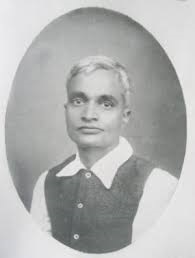
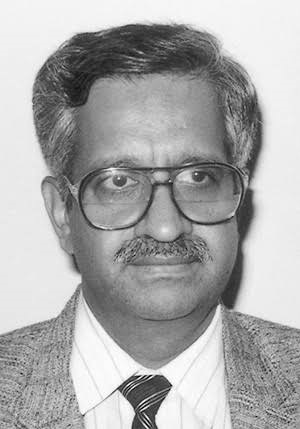
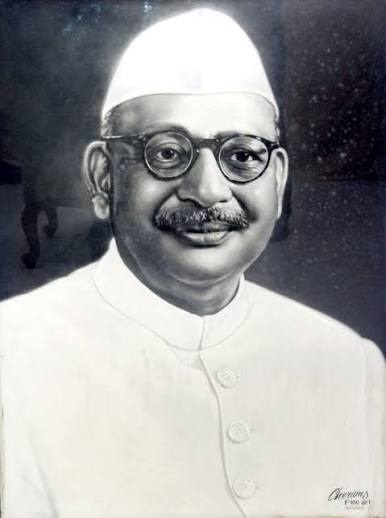
Sri Prakasa (3 August 1890 – 23 June 1971) was a distinguished Indian freedom fighter, politician, diplomat, and administrator. He played an important role in India’s independence movement and later served the nation in several important positions, including as India’s first High Commissioner to Pakistan and as the Governor of several Indian states.
Known for his dedication to public service, diplomacy, and national unity, Sri Prakasa contributed greatly to strengthening India’s relations with other countries and building the administrative system of independent India. For his exceptional service to the nation, he was honoured with the Padma Vibhushan.
Why Did Sri Prakasa Receive the Padma Vibhushan Award?
Sri Prakasa was awarded the Padma Vibhushan in 1956 for his outstanding contributions to public affairs and national service.
He received the award for:
- His active participation in India’s freedom struggle.
- His contribution to the national movement under Mahatma Gandhi.
- His important role in India’s diplomatic relations after independence.
- His service as a Governor and administrator.
- His efforts in promoting peace, unity, and good governance.
His lifelong dedication to public service made him one of India’s respected leaders.
Early Life
Sri Prakasa was born on 3 August 1890 in Varanasi, Uttar Pradesh. He belonged to a family with strong educational and social values.
From a young age, he showed interest in learning, public issues, and national affairs. His upbringing encouraged him to contribute to society and work for India’s progress.
Education and Career
Education
Sri Prakasa received his early education in India and later pursued higher studies. He developed deep knowledge in history, politics, and public administration, which helped him in his future roles as a leader and diplomat.
Career
Sri Prakasa began his career as an educator and later became involved in journalism and public life. Inspired by the ideals of India’s freedom movement, he joined the struggle against British rule.
After independence, he took up several important responsibilities in government and diplomacy.
Career and Achievements
Role in the Freedom Movement
Sri Prakasa actively participated in India’s independence movement. He worked alongside national leaders and supported the principles of freedom, democracy, and social reform.
First High Commissioner of India to Pakistan
After India’s independence in 1947, Sri Prakasa became the first High Commissioner of India to Pakistan. This was a challenging period marked by Partition-related tensions. He worked to improve relations and protect the interests of people affected by the division.
Governor of Indian States
Sri Prakasa served as the Governor of several states, including:
- Madras State
- Assam
- Maharashtra
As Governor, he worked to strengthen administration and promote development.
Contribution to Public Life
His achievements included:
- Promoting national unity.
- Strengthening India’s foreign relations.
- Supporting democratic institutions.
- Encouraging education and social progress.
- Serving people with honesty and dedication.
Field of Achievements
Sri Prakasa contributed to various fields:
- Freedom Movement
- Diplomacy and International Relations
- Public Administration
- Politics and Governance
- Education
- Social Service
Awards and Honours
Padma Vibhushan (1956)
Sri Prakasa received the Padma Vibhushan, India’s second-highest civilian honour, for his distinguished service in public affairs.
Other Recognitions
- Recognized as an important figure in India’s independence movement.
- Honoured for his diplomatic and administrative contributions.
- Remembered for his commitment to peace and national service.
Interesting Facts
- Sri Prakasa was India’s first High Commissioner to Pakistan after independence.
- He worked during one of the most difficult periods in Indian history—the aftermath of Partition.
- He was associated with Mahatma Gandhi’s ideals of peace and social harmony.
- He served as Governor of multiple Indian states.
- He contributed to journalism and public discussions before entering major political roles.
- His life reflected dedication to democracy, diplomacy, and public welfare.
Legacy and Inspiration
Sri Prakasa’s life remains an inspiration for public servants, diplomats, and political leaders. His dedication to maintaining peace and strengthening India’s institutions continues to be remembered.
He demonstrated that leadership requires patience, understanding, and commitment to the welfare of society. His work in diplomacy and administration helped lay the foundation for India’s early years as an independent nation.
Contribution to the Nation
Sri Prakasa made valuable contributions to India through:
- Supporting the freedom struggle against British rule.
- Helping build diplomatic relations after independence.
- Serving as a responsible administrator and Governor.
- Promoting national unity during challenging times.
- Strengthening democratic governance.
- Working for social and educational development.
His efforts helped India navigate the transition from colonial rule to an independent democracy.
Conclusion
Sri Prakasa was a remarkable freedom fighter, diplomat, and administrator who dedicated his life to India’s progress. From participating in the independence movement to representing India internationally and serving as a Governor, he played many important roles in nation-building. His dedication, wisdom, and commitment to public service earned him the Padma Vibhushan and a respected place in India’s history. His life continues to inspire citizens to work for unity, peace, and national development.
About the Author