Introduction
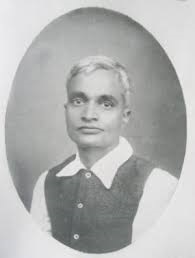
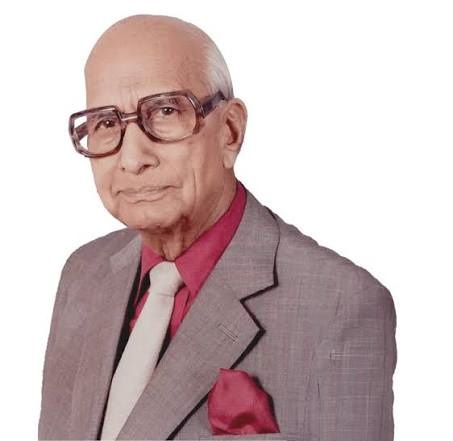
Ghanshyam Das Birla (10 April 1894 – 11 June 1983), popularly known as G. D. Birla, was one of India’s greatest industrialists, philanthropists, and freedom movement supporters. He founded and expanded the Aditya Birla Group and played a major role in the growth of Indian industries during the pre- and post-independence periods.
A close associate of Mahatma Gandhi, G. D. Birla supported India’s freedom struggle and contributed significantly to education, healthcare, social welfare, and national development. For his outstanding contribution to trade, industry, and public service, he was honoured with the Padma Vibhushan.
Why Did G. D. Birla Receive the Padma Vibhushan Award?
G. D. Birla was awarded the Padma Vibhushan in 1957 for his exceptional contributions to trade, industry, and social service.
He received this prestigious honour for:
- Building strong foundations for Indian industries.
- Promoting entrepreneurship and economic development.
- Supporting India’s freedom movement financially and socially.
- Encouraging Indian ownership of businesses during British rule.
- Contributing to education, healthcare, and charitable activities.
- Helping develop self-reliant industries in independent India.
His efforts played an important role in strengthening India’s economy and industrial growth.
Early Life
Ghanshyam Das Birla was born on 10 April 1894 in Pilani, Rajasthan, into a well-known Marwari business family. His father was Baldeo Das Birla, who encouraged business development and social responsibility.
Coming from a traditional business background, G. D. Birla learned the values of hard work, entrepreneurship, and philanthropy from an early age.
Education and Career
Education
G. D. Birla received his early education through traditional methods and business training rather than formal university education. He gained practical knowledge of trade and finance by working with his family business.
Career
He started his business career at a young age and established himself as a successful entrepreneur. In 1919, he founded the Birla Brothers Limited, which became one of India’s leading business groups.
He expanded his business interests into several sectors, including:
- Textiles
- Jute
- Cement
- Chemicals
- Banking
- Aluminium
- Telecommunications
Career and Achievements
Growth of Indian Industry
G. D. Birla was one of the pioneers who promoted Indian-owned industries during British rule when many businesses were controlled by foreign companies.
He believed that economic independence was essential for political independence.
Support for the Freedom Movement
G. D. Birla had a close relationship with Mahatma Gandhi and supported the Indian independence movement. He provided financial assistance to various national causes and encouraged the growth of indigenous industries.
Establishment of Educational Institutions
He contributed greatly to education by supporting schools, colleges, and research institutions. His efforts helped expand educational opportunities across India.
Philanthropic Activities
G. D. Birla established and supported many charitable initiatives in areas such as:
- Education
- Healthcare
- Rural development
- Cultural preservation
- Social welfare
Field of Achievements
G. D. Birla made major contributions in the following fields:
- Industry and Business Development
- Entrepreneurship
- Philanthropy
- Education
- Social Welfare
- Economic Development
- Nation Building
Awards and Honours
Padma Vibhushan (1957)
G. D. Birla received India’s second-highest civilian honour, the Padma Vibhushan, for his outstanding contributions to trade, industry, and public service.
Other Recognitions
- Honoured for his role in promoting Indian entrepreneurship.
- Recognized as one of India’s leading industrial pioneers.
- Remembered for his contributions to national development and philanthropy.
Interesting Facts
- G. D. Birla was one of the closest business associates and supporters of Mahatma Gandhi.
- Gandhi often stayed at Birla House in New Delhi, where important discussions about India’s freedom movement took place.
- He started building businesses when Indian entrepreneurs faced strong competition from British companies.
- The famous industrial township of Birla Mandir and many educational institutions are connected with the Birla family’s philanthropic work.
- He believed that business success should be combined with social responsibility.
- He played a key role in encouraging Indian ownership of industries.
Legacy and Inspiration
G. D. Birla’s legacy continues through the businesses, educational institutions, and charitable organizations established by the Birla family.
He inspired generations of entrepreneurs by showing that business can be a tool for national progress and social improvement. His philosophy combined economic growth with ethical values and public service.
Today, he is remembered as a symbol of Indian entrepreneurship, generosity, and commitment to nation-building.
Contribution to the Nation
G. D. Birla made significant contributions to India’s development:
- Strengthened Indian industries during colonial rule.
- Helped promote economic self-reliance.
- Supported India’s freedom movement.
- Created employment opportunities through industrial growth.
- Promoted education and healthcare through philanthropy.
- Encouraged Indian entrepreneurs to build successful businesses.
- Contributed to the social and economic progress of the country.
His vision helped shape modern India’s industrial landscape.
Conclusion
G. D. Birla was not only a successful businessman but also a dedicated patriot and philanthropist. His efforts in developing Indian industries, supporting the freedom movement, and serving society made him one of the most influential figures in India’s history. The Padma Vibhushan award recognized his extraordinary contributions to the nation’s economic and social progress. His life continues to inspire entrepreneurs and citizens to combine success with responsibility and service to society.
About the Author