![cropped-ChatGPT-Image-Jun-29-2026-07_22_15-PM-300x84[1]](https://tamilwarriors.com/wp-content/uploads/2026/07/cropped-ChatGPT-Image-Jun-29-2026-07_22_15-PM-300x841-1.png)
Introduction
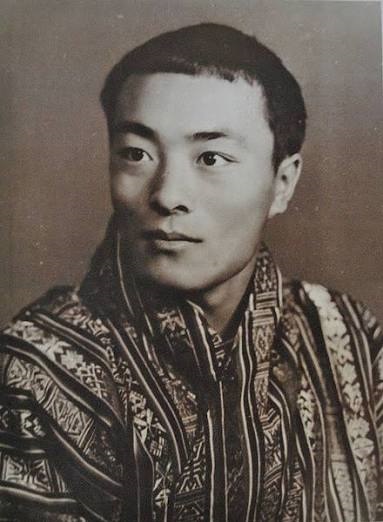
Jigme Dorji Wangchuck (2 May 1929 – 21 July 1972) was the third Druk Gyalpo (Dragon King) of Bhutan, reigning from 1952 to 1972. Widely regarded as the “Father of Modern Bhutan,” he transformed the Himalayan kingdom through comprehensive political, economic, social, and administrative reforms. His visionary leadership introduced democratic institutions, expanded education and healthcare, modernized infrastructure, and strengthened Bhutan’s international relations. His efforts not only reshaped Bhutan but also fostered close ties with India.
Why Did He Receive the Padma Vibhushan Award?
King Jigme Dorji Wangchuck was awarded the Padma Vibhushan in 1954, India’s second-highest civilian honour, in recognition of his efforts to strengthen the friendship between India and Bhutan, promote regional peace, and support the modernization of Bhutan. His leadership encouraged close cooperation with India in areas such as development, education, diplomacy, and security, contributing significantly to the enduring partnership between the two neighbouring countries.
Early Life
Jigme Dorji Wangchuck was born on 2 May 1929 at Thruepang Palace, Trongsa, Bhutan. He was the eldest son of King Jigme Wangchuck and Queen Ashi Phuntsho Choden. As the heir to the Bhutanese throne, he received an education that combined Bhutanese traditions with modern academic learning, preparing him for future leadership.
From an early age, he showed a keen interest in governance, diplomacy, and national development, qualities that later defined his reign.
Education and Career
Jigme Dorji Wangchuck received his early education in Bhutan before continuing his studies in India and the United Kingdom. His exposure to different cultures and systems of governance shaped his vision for a modern and progressive Bhutan while preserving the country’s cultural heritage.
He became the third King of Bhutan in 1952 following the death of his father. During his twenty-year reign, he introduced numerous reforms that transformed Bhutan from a largely isolated kingdom into a nation actively engaged with the international community.
He also strengthened Bhutan’s diplomatic relations and played a key role in securing the country’s membership in the United Nations in 1971.
Career and Achievements
Jigme Dorji Wangchuck’s reign marked a turning point in Bhutan’s history.
His major achievements include:
- Introduced the National Assembly of Bhutan, laying the foundation for representative governance.
- Established the Royal Advisory Council and modern administrative institutions.
- Reformed Bhutan’s legal and judicial systems.
- Expanded access to education by opening schools across the country.
- Improved healthcare services through the establishment of hospitals and medical centres.
- Developed roads and communication networks to connect remote regions.
- Strengthened Bhutan’s diplomatic relations with neighbouring countries and the wider world.
- Led Bhutan to membership in the United Nations in 1971.
Field of Achievements
Jigme Dorji Wangchuck made significant contributions in several areas:
- Governance and Constitutional Reform
- Public Administration
- Diplomacy and International Relations
- Education
- Healthcare
- Infrastructure Development
- Economic Modernization
- Social Reform
Awards and Honours
Jigme Dorji Wangchuck received several honours during his lifetime, including:
- Padma Vibhushan (1954), awarded by the Government of India for strengthening Indo-Bhutan relations and promoting regional cooperation.
- National honours and state recognition in Bhutan for his transformative leadership.
- Widely remembered as the Father of Modern Bhutan for his lasting reforms and vision.
Interesting Facts
- Jigme Dorji Wangchuck is known as the “Father of Modern Bhutan.”
- He introduced Bhutan’s first National Assembly and initiated democratic reforms.
- Under his leadership, Bhutan became a member of the United Nations in 1971.
- He balanced modernization with the preservation of Bhutan’s unique culture and traditions.
- His reforms laid the groundwork for Bhutan’s gradual transition toward constitutional monarchy.
Legacy and Inspiration
Jigme Dorji Wangchuck’s visionary leadership transformed Bhutan into a modern nation while preserving its rich cultural heritage. His reforms in governance, education, healthcare, and diplomacy continue to influence Bhutan’s development today.
His commitment to balancing progress with tradition serves as an example for leaders worldwide. His vision also strengthened the enduring friendship between India and Bhutan, which remains one of South Asia’s closest bilateral relationships.
Contribution to the Nation
Jigme Dorji Wangchuck made lasting contributions to Bhutan by:
- Modernizing the country’s political and administrative systems.
- Expanding education and healthcare for citizens.
- Building roads and communication infrastructure.
- Strengthening Bhutan’s economy and government institutions.
- Establishing Bhutan as an active member of the international community.
- Promoting strong and lasting relations with India based on mutual trust and cooperation.
His leadership laid the foundation for Bhutan’s continued stability, development, and international recognition.
Conclusion
Jigme Dorji Wangchuck was a visionary monarch whose reforms transformed Bhutan into a modern nation while preserving its cultural identity. His dedication to governance, education, healthcare, diplomacy, and national development earned him the title “Father of Modern Bhutan.” The Padma Vibhushan recognized his role in strengthening India–Bhutan relations and promoting regional cooperation. His legacy continues to inspire leaders and citizens through his commitment to progress, peace, and public service.
About the Author