Introduction
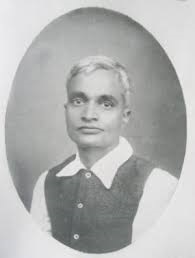
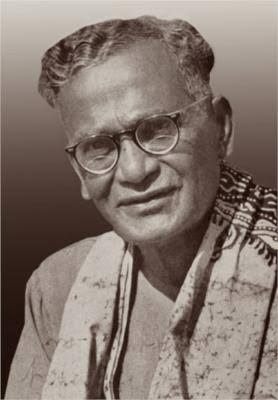
Nandalal Bose (1882–1966) was one of India’s most celebrated painters and a pioneer of modern Indian art. He played a key role in reviving traditional Indian artistic styles at a time when Western influences dominated art education. Through his paintings, murals, illustrations, and teaching, Nandalal Bose inspired generations of artists and helped establish a unique Indian identity in the world of art.
Why Did He Receive the Padma Vibhushan Award?
Nandalal Bose was awarded the Padma Vibhushan in 1954, India’s second-highest civilian award, in recognition of his exceptional contribution to Indian art and culture. His efforts to revive traditional Indian painting, promote indigenous artistic values, and mentor young artists made him one of the most influential figures in Indian art history.
Early Life
Nandalal Bose was born on 3 December 1882 in Munger (then Monghyr), Bihar, into a Bengali family. From an early age, he showed a deep interest in drawing and crafting. Although his family initially wanted him to pursue a conventional career, his passion for art led him to follow his creative instincts.
His childhood fascination with nature, village life, and Indian traditions later became central themes in his artwork.
Education and Career
Nandalal Bose studied at the Government School of Art in Calcutta (now Kolkata), where he trained under the renowned artist Abanindranath Tagore, a leading figure of the Bengal School of Art.
In 1922, he joined Kala Bhavana, the art school at Visva-Bharati University in Santiniketan, founded by Rabindranath Tagore. He later became its principal and transformed it into one of India’s most respected institutions for art education.
During India’s freedom movement, Mahatma Gandhi invited Nandalal Bose to create decorations and artwork for the Indian National Congress sessions. His artistic vision reflected India’s cultural heritage and national pride.
Career and Achievements
Throughout his career, Nandalal Bose made remarkable contributions to Indian art and education.
Some of his major achievements include:
- Revived traditional Indian painting techniques through the Bengal School of Art.
- Created paintings inspired by Indian mythology, folklore, village life, and nature.
- Designed the decorative artwork for several Indian National Congress sessions.
- Illustrated numerous literary works and manuscripts.
- Mentored many young artists who later became leading figures in Indian art.
- His artworks are displayed in museums and galleries across India.
One of his greatest contributions was designing the artwork that decorates the original handwritten Constitution of India, making him an important contributor to the nation’s cultural heritage.
Field of Achievements
Nandalal Bose excelled in several artistic fields, including:
- Painting
- Mural Art
- Illustration
- Printmaking
- Art Education
- Indian Traditional and Modern Art
Awards and Honours
Nandalal Bose received several prestigious awards and recognitions throughout his life:
- Padma Vibhushan (1954) – India’s second-highest civilian award.
- Fellow of the Lalit Kala Akademi.
- Honoured by several universities and cultural institutions for his contribution to Indian art.
- His paintings have been declared National Art Treasures by the Government of India.
Interesting Facts
- Nandalal Bose was one of the first artists to successfully combine traditional Indian art with modern artistic expression.
- Mahatma Gandhi admired his work and invited him to create artwork for important national events.
- He designed the beautiful illustrations and borders in the original Constitution of India.
- Nature, rural life, mythology, and Indian festivals were among his favourite subjects.
- He inspired many famous Indian artists through his teaching at Santiniketan.
Legacy and Inspiration
Nandalal Bose’s influence continues to shape Indian art education and creative expression. His dedication to preserving India’s artistic traditions while encouraging innovation made him a true cultural icon.
His paintings remind us of the richness of Indian heritage and demonstrate how art can preserve history, inspire patriotism, and celebrate cultural diversity. Today, art students and professionals continue to study his techniques and philosophy.
Contribution to the Nation
Nandalal Bose made lasting contributions to India’s cultural identity by:
- Reviving traditional Indian artistic styles.
- Promoting Indian culture through paintings and murals.
- Decorating the original Constitution of India with artistic illustrations.
- Inspiring generations of artists through teaching and mentorship.
- Supporting India’s freedom movement through meaningful artistic works.
- Establishing Santiniketan as a leading centre for art education.
Conclusion
Nandalal Bose was far more than a painter—he was a visionary who transformed Indian art and celebrated the nation’s cultural heritage. His dedication to traditional art, commitment to education, and contribution to the Constitution of India earned him lasting respect and recognition. Awarded the Padma Vibhushan for his extraordinary service to art and culture, Nandalal Bose remains an enduring source of inspiration for artists, students, and art lovers around the world.
About the Author