

1. Introduction
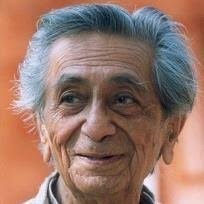
Bhisham Sahni (8 August 1915 – 11 July 2003) was one of the most celebrated and prolific writers in modern Hindi literature. A towering literary giant, humanist, and playwright, his works captured the sociopolitical realities of India with deep empathy, sharp wit, and unyielding moral clarity. Best known for his monumental Partition novel Tamas and his beloved short stories like Chief ki Dawat, Sahni’s writing reflected the struggles of the marginalized, the trauma of national division, and the resilience of the human spirit. Beyond literature, he was a key cultural figure who shaped progressive theater and left behind a legacy that continues to champion communal harmony, empathy, and social justice.
2. Quick Facts
- Full Name: Bhisham Sahni
- Native Name: भीष्म साहनी
- Date of Birth: 8 August 1915
- Place of Birth: Rawalpindi, British India (now in Punjab, Pakistan)
- Nationality: Indian
- Occupation / Profession: Novelist, Playwright, Short Story Writer, Translator, Actor, Professor
- Field of Achievement: Hindi Literature, Progressive Theater, Translation
- Years Active: 1940s–2003
3. Award Information (Padma Bhushan)
- Award Name: Padma Bhushan
- Award Category: Literature and Education (Third-highest civilian award in India)
- Award Year: 1998
- Presented By: The President of India
- Date of Ceremony: March/April 1998 (Rashtrapati Bhavan, New Delhi)
- Citation / Official Reason: In recognition of his distinguished services to Hindi literature, his profound exploration of human values, and his lifelong contribution to the enrichment of Indian arts and culture.
- Previous Recipients (Contextual): Celebrated literary figures, poets, and authors who shaped Indian intellectual life.
- Next Recipients: Succeeding national luminaries in literature and education.
4. Why He Received the Award
Bhisham Sahni received the Padma Bhushan—along with other top honors like the Sahitya Akademi Fellowship (2002) and the Padma Shri (earlier in his career)—because of his monumental contribution to Hindi fiction and drama. His masterpiece Tamas offered an unflinching, profoundly human examination of the horrors of the Partition, serving as a timeless warning against communal hatred. Furthermore, his tireless dedication to progressive cultural movements through the Indian People’s Theatre Association (IPTA) and Janwadi Lekhak Sangh cemented his status as a moral compass for the nation.
5. Early Life
Born into a Punjabi-speaking Khatri family in Rawalpindi on August 8, 1915, Sahni grew up in an environment steeped in commerce and traditional family values. However, witnessing the volatile political climate of pre-independence India, the freedom struggle, and the growing communal tensions in Punjab deeply molded his worldview. He was the younger brother of the legendary film and stage actor Balraj Sahni, with whom he shared a lifelong intellectual and artistic bond.
6. Education
- Early Education: Attended schools in Rawalpindi.
- Master’s Degree: Earned his Master’s degree in English Literature from Government College, Lahore, in 1937.
- Doctoral Studies: Later earned a Ph.D. from Panjab University, Chandigarh, focusing on the influence of the Russian literary tradition on Hindi literature.
7. Career Journey
- Early Teaching & Independence Movement: Began his career teaching English literature at various colleges in Punjab and Delhi. Actively participated in the Indian Independence movement and joined the Indian National Congress briefly before aligning with socialist and progressive movements.
- The Soviet Years (1957–1963): Spent several years in Moscow working as a translator for Foreign Languages Publishing House, translating classic Russian literature into Hindi (including works by Leo Tolstoy and Alexander Ostrovsky).
- Academic Tenure: Returned to India to serve as a Professor of English at Kirori Mal College, University of Delhi, until his retirement.
- Literary Leadership: Served as the General Secretary of the Progressive Writers’ Association (PWA) and President of the Janwadi Lekhak Sangh (People’s Writers Association).
8. Major Achievements
- Tamas (1974): His magnum opus novel depicting the horrors of the Partition, which won him the prestigious Sahitya Akademi Award in 1975 and was later adapted into a critically acclaimed television film by Govind Nihalani.
- Iconic Short Stories: Wrote classic short stories like Chief ki Dawat (The Chief’s Party), Pali, and Leelawati, which remain staples of Hindi literature curricula.
- Playwriting and Theater: Authored influential plays including Hanush, Kabira Khahara Bazaar Mein, and Madhavi, exploring historical and moral themes through contemporary lenses.
9. Contribution to the Nation
Bhisham Sahni’s writings served as a conscience-keeper for post-independence India. Through works like Tamas, he challenged societal complacency, demystified communal violence, and championed secularism and humanism. By translating Russian classics into Hindi and introducing world literature to Indian readers, while simultaneously taking Hindi literature to global platforms, he bridged cultural divides and strengthened the democratic fabric of the country.
10. Other Awards and Honours
- Sahitya Akademi Award (1975): For his novel Tamas.
- Lotus Prize for Literature (1981): Awarded by the Afro-Asian Writers’ Association.
- Shiromani Lekhak Award (1979): From the Government of Punjab.
- Maulana Azad Award (2001): For his lifetime contribution to Urdu/Hindi literature and education.
- Sahitya Akademi Fellowship (2002): The highest honor conferred by India’s National Academy of Letters.
- Padma Bhushan (1998): Conferred by the Government of India.
11. Legacy and Influence
Bhisham Sahni remains a revered figure in South Asian literature. His ability to write with profound simplicity while tackling complex moral, political, and psychological themes set a gold standard for realistic fiction. His plays continue to be staged across India, and his autobiography, Aaj Ke Ateet (The Pasts of Today), offers a moving window into a turbulent century of Indian history.
12. Interesting Facts
- Acting Career: Following in the footsteps of his brother Balraj Sahni, Bhisham Sahni also acted in several parallel cinema films and television series, including Saeed Akhtar Mirza’s Mohan Joshi Hazir Ho! and Kumar Shahani’s Kasba.
- The Real-Life Inspiration for Tamas: The harrowing events depicted in Tamas were directly inspired by riots Sahni witnessed firsthand in Rawalpindi during March 1947 just before Partition.
- Multilingual Scholar: Fluent in Hindi, Urdu, Punjabi, English, and Russian, his linguistic versatility enabled him to serve as a vital cultural ambassador between India and the Soviet Union.
13. Quotes
“Literature is not merely a reflection of life; it is a force that shapes life, questions injustice, and keeps the human flame alive in the darkest times.” — Bhisham Sahni
14. Timeline
- 1915: Born on August 8 in Rawalpindi, Punjab
- 1937: Completed his M.A. in English Literature from Government College, Lahore
- 1947: Witnessed the Partition violence in Rawalpindi; migrated to India
- 1957–1963: Lived in Moscow translating Russian works into Hindi
- 1974: Published his landmark novel Tamas
- 1975: Awarded the Sahitya Akademi Award for Tamas
- 1998: Conferred the Padma Bhushan by the Government of India
- 2002: Appointed Sahitya Akademi Fellow
- 2003: Passed away on July 11 in New Delhi at the age of 87
15. References
- Wikipedia contributors. Bhisham Sahni. Wikipedia, The Free Encyclopedia.
- Sahitya Akademi Archives. Fellow Profile – Bhisham Sahni.
- Sahni, Bhisham. Aaj Ke Ateet (Autobiography). Rajkamal Prakashan.
- The Hindu. Obituary: A Master Storyteller – Bhisham Sahni (1915–2003).
16. Related Personalities
- Balraj Sahni: Legendary film actor, progressive theater pioneer, and elder brother of Bhisham Sahni.
- Govind Nihalani: Acclaimed filmmaker who directed the landmark television adaptation of Sahni’s novel Tamas.
17. Frequently Asked Questions (FAQ)
- Q: Who was Bhisham Sahni?A: Bhisham Sahni was a celebrated Hindi novelist, playwright, and short-term story writer best known for his Partition novel Tamas and his deep commitment to progressive humanism.
- Q: What is Bhisham Sahni’s most famous book?A: His most famous work is Tamas (1974), which won the Sahitya Akademi Award and portrays the harrowing reality of the 1947 Partition.
- Q: What major civilian awards did he receive?A: He received the Padma Bhushan in 1998, the Sahitya Akademi Award in 1975, and was made a Sahitya Akademi Fellow in 2002.
About the Author




