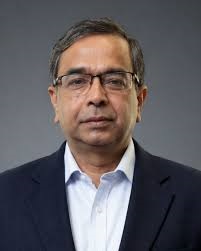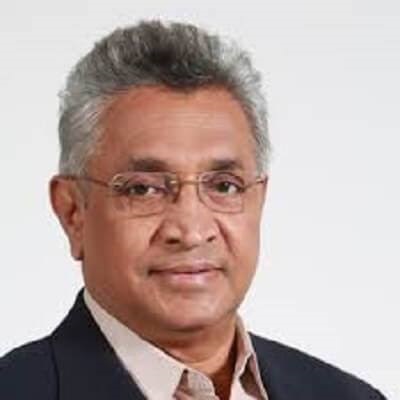
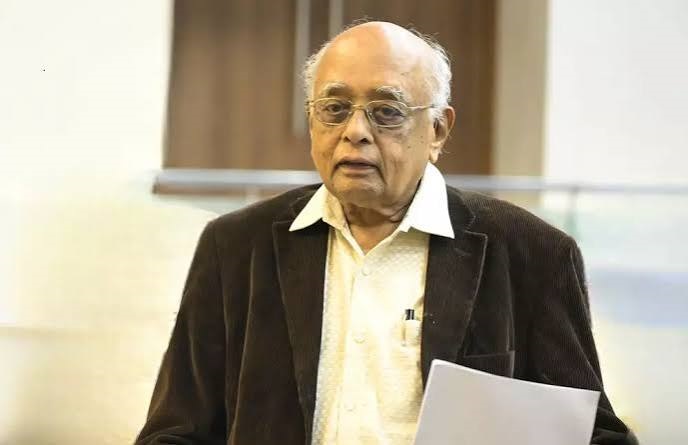
Introduction
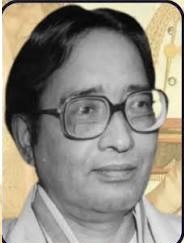
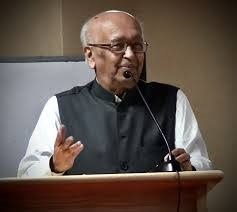
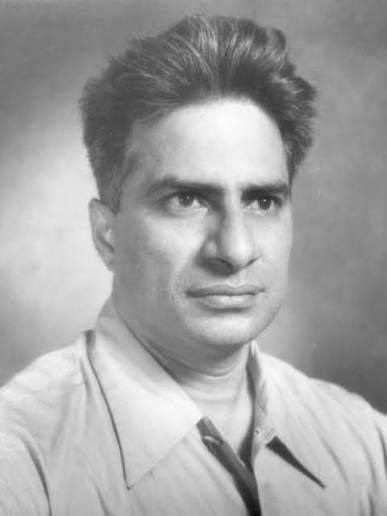
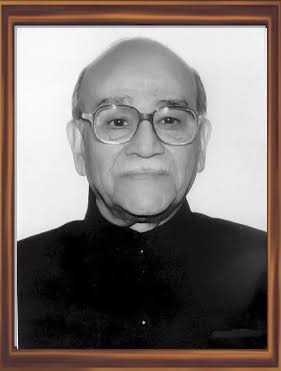
Rajagopala Chidambaram, popularly known as R. Chidambaram, is one of India’s most renowned nuclear physicists. He played a pivotal role in advancing India’s nuclear science and technology programs and was a key figure behind the country’s nuclear weapons development and peaceful nuclear energy initiatives. His contributions have significantly strengthened India’s scientific and strategic capabilities.
Early Life and Education
R. Chidambaram was born on 12 November 1936 in Chennai, Tamil Nadu, India. He completed his early education in Chennai and developed a strong interest in mathematics and physics from a young age. He earned a Bachelor’s and Master’s degree in Physics from the University of Madras. Later, he obtained a Ph.D. in Nuclear Physics from the Indian Institute of Science, where he specialized in experimental nuclear physics and crystallography.
Scientific Career & Research
R. Chidambaram joined the Bhabha Atomic Research Centre in 1962 and quickly established himself as a leading nuclear scientist. His research covered nuclear physics, condensed matter physics, crystallography, and materials science.
He made significant contributions to the study of crystal structures using neutron diffraction techniques. Over time, he became deeply involved in India’s nuclear research and development programs. He later served as Director of BARC, Chairman of the Atomic Energy Commission, and Principal Scientific Adviser to the Government of India.
Major Discoveries and Inventions
- Conducted pioneering research in neutron crystallography and materials science.
- Developed advanced techniques for studying crystal and magnetic structures.
- Played a key role in India’s nuclear weapons program.
- Contributed significantly to the successful nuclear tests at Pokhran-I and Pokhran-II.
- Advanced research in nuclear reactor technology and atomic energy applications.
- Promoted the integration of science and technology into national development programs.
Awards and Honours
R. Chidambaram has received numerous prestigious awards, including:
- Padma Shri (1975)
- Padma Vibhushan (1999)
- Shanti Swarup Bhatnagar Prize
- Distinguished Scientist awards from various scientific institutions.
- Honorary doctorates from leading universities in India and abroad.
Later Life and Death
R. Chidambaram is alive and continues to contribute to scientific research, policy-making, and technological development. Even after retiring from active administrative roles, he has remained involved in scientific advisory committees, research programs, and educational initiatives.
Legacy and Impact
R. Chidambaram’s contributions have left a profound impact on India’s nuclear and scientific landscape. His leadership during critical phases of India’s nuclear development strengthened the country’s strategic capabilities and scientific independence. His work in crystallography and nuclear physics has also influenced generations of researchers. He is widely regarded as one of the architects of India’s modern nuclear program.
Conclusion
R. Chidambaram is a distinguished nuclear physicist whose work has significantly advanced India’s scientific and technological progress. Through his research, leadership, and commitment to national development, he helped establish India as a major force in nuclear science and technology. His legacy continues to inspire scientists, engineers, and policymakers across the country.
Short Blog Summary (200 Words)
R. Chidambaram is one of India’s leading nuclear physicists and a key contributor to the nation’s nuclear science and technology programs. Born in Chennai in 1936, he studied physics at the University of Madras and later earned a Ph.D. from the Indian Institute of Science. He joined the Bhabha Atomic Research Centre in 1962, where he conducted important research in nuclear physics, crystallography, and materials science.
Chidambaram became widely known for his contributions to India’s nuclear program. He played a crucial role in both the Pokhran-I nuclear test in 1974 and the Pokhran-II nuclear tests in 1998, which established India’s nuclear capabilities on the global stage. His research in neutron diffraction and crystal structure analysis also earned international recognition.
Throughout his career, he served as Director of BARC, Chairman of the Atomic Energy Commission, and Principal Scientific Adviser to the Government of India. His achievements have been recognized with prestigious honours, including the Padma Shri and Padma Vibhushan.
R. Chidambaram’s legacy lies in strengthening India’s scientific infrastructure, advancing nuclear technology, and promoting innovation. His contributions continue to influence India’s progress in science, energy, and national security, making him one of the country’s most respected scientists.
About the Author