Early Life and Education
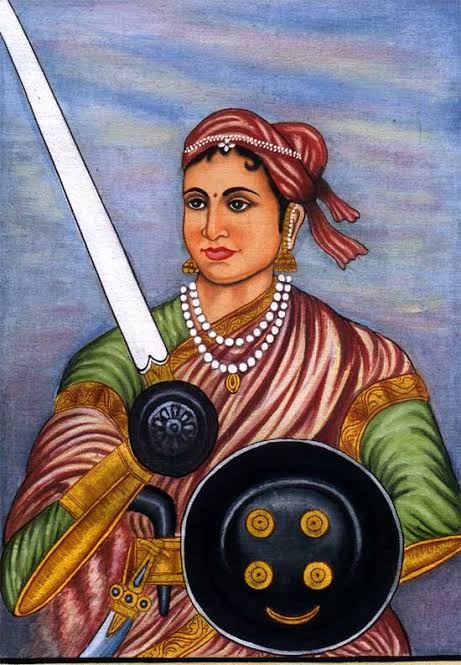
Rani Lakshmibai, one of India’s most celebrated freedom fighters, was born as Manikarnika Tambe on 19 November 1828 in Varanasi. She was affectionately called “Manu” by her family members.
Her father, Moropant Tambe, was a scholar and court official, while her mother, Bhagirathi Bai, was known for her religious values. After her mother’s death at an early age, Manu was raised by her father. Unlike many girls of her time, she received an education that included reading, writing, and religious studies.
Education & Skills
Rani Lakshmibai was trained in various subjects and martial arts from a young age. Her skills included:
- Reading and writing in Marathi and Sanskrit.
- Horse riding.
- Sword fighting.
- Archery.
- Military strategy and leadership.
- Physical fitness and combat training.
She became renowned for her courage, intelligence, and battlefield skills.
Contribution to Tamil Literature
Rani Lakshmibai did not directly contribute to Tamil literature. However, her bravery and sacrifice inspired many Tamil poets, writers, dramatists, and historians. Numerous Tamil books, poems, articles, and stage plays have celebrated her role in India’s struggle against British rule. She remains a symbol of courage and patriotism in Tamil literary works.
Role in India’s Freedom Movement
Rani Lakshmibai played a significant role in the Indian Rebellion of 1857, often regarded as India’s First War of Independence.
Annexation of Jhansi
After the death of her husband, the British East India Company refused to recognize her adopted son as the rightful heir under the Doctrine of Lapse policy. As a result, the kingdom of Jhansi was annexed by the British.
Leadership During the Revolt
When the revolt of 1857 spread across northern India, Rani Lakshmibai became one of its most prominent leaders. She organized and led her army to defend Jhansi against British forces.
Battles and Resistance
She fought bravely in several battles, including the defense of Jhansi and later campaigns in Kalpi and Gwalior. Her determination and military leadership inspired many Indians to join the resistance against British rule.
Symbol of Nationalism
Although the revolt was eventually suppressed, her heroism became a powerful symbol of resistance, patriotism, and women’s empowerment in India.
Personal Life
In 1842, Manikarnika married Maharaja Gangadhar Rao and became the Queen of Jhansi, taking the name Lakshmibai.
The couple had a son who died in infancy. Later, they adopted a child named Damodar Rao shortly before the Maharaja’s death. Rani Lakshmibai devoted herself to the welfare of her kingdom and her people.
Death
Rani Lakshmibai died on 18 June 1858 during the battle near Gwalior while fighting British troops. According to historical accounts, she fought courageously until her last breath.
She was only 29 years old at the time of her death, but her sacrifice left a lasting legacy in India’s history.
Conclusion
Rani Lakshmibai remains one of the greatest heroines of India’s freedom struggle. Her courage, leadership, and determination in resisting British rule made her an enduring symbol of patriotism and bravery. Though she did not live to see India gain independence, her sacrifices inspired future generations of freedom fighters. Today, she is remembered as the fearless Queen of Jhansi and a national icon whose legacy continues to inspire people across India.
About the Author