1. Introduction
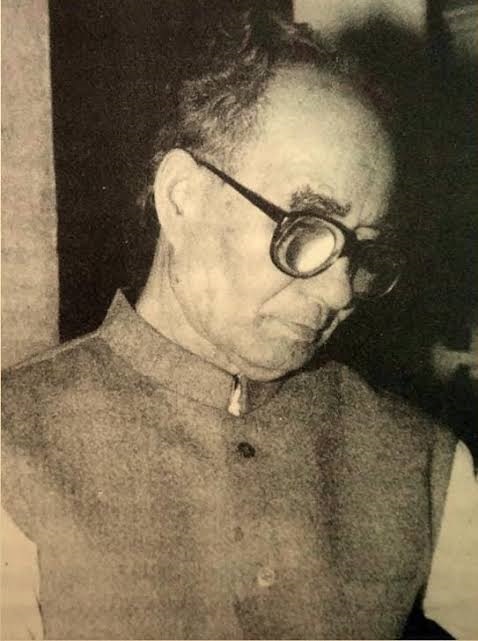
Chandra Prasad Saikia was a towering figure in Assamese literature, journalism, and cultural stewardship. Renowned for his deep intellectual insight, exceptional novels, and transformative editorial guidance, Saikia shaped modern Assamese thought for over half a century. Whether through his poignant reflections on human psychology and society or his visionary leadership of prestigious institutions like the Asam Sahitya Sabha, his life was intrinsically tied to the preservation and enrichment of Assam’s literary heritage.
2. Quick Facts
- Full Name: Chandra Prasad Saikia
- Native Name: চন্দ্ৰপ্ৰসাদ শইকীয়া
- Date of Birth: July 8, 1927
- Place Of Birth: Jalukgaon, Jhanji, Sivasagar district, Assam, India
- Nationality: Indian
- Occupation/ Profession: Writer, Journalist, Editor, and Publisher
- Field of Achievement: Assamese Literature and Journalism
- Years Active: 1950s – 2006
3. Award Information
- Award Name: Padma Bhushan
- Award Category: India’s Third-Highest Civilian Award
- Award Year: 2007 (Posthumously)
- Presented By: Government of India
- Date of Ceremony: March 2007
- Citation/Official Reason: For his distinguished contributions and lifelong dedication to literature and education.
- Previous Recipients (optional): Noted Padma Bhushan awardees from preceding years across various fields.
- Next Recipients: Subsequent civilian awardees in later annual announcement cycles.
4. Why They Received the Award
Chandra Prasad Saikia received the Padma Bhushan and other top-tier honors for his monumental contributions to Assamese literature through landmark novels, short stories, and critical essays. Beyond his creative output, he was recognized for his stellar role as a master editor who steered prominent journals and newspapers, and for his stalwart leadership in safeguarding Assamese cultural and linguistic identity as president of the Asam Sahitya Sabha.
5. Early Life
Born into a respectable family in the historic Sivasagar district of Assam, Saikia grew up surrounded by a culturally rich environment. His early years in rural Assam deeply sensitized him to the nuances of local life, rural realities, and community values. This formative background later supplied the emotional and realistic bedrock for much of his creative writing.
6. Education
After completing his primary education in Sivasagar, Saikia moved to Kolkata for higher studies. He attended the prestigious Presidency College, Kolkata, and later earned his Bachelor of Arts (Honours in English) in 1950 and his Master of Arts from Calcutta University in 1954. His academic grounding in literature honed his critical perspective and global outlook.
7. Career Journey
- Journalism Beginnings: Saikia entered journalism in 1956, joining The Assam Tribune as a sub-editor.
- Editorial Leadership: In 1963, he left The Assam Tribune to become the founder editor of the Assamese bi-weekly Asom Batori. Over his career, he also edited several other influential publications, including Prakash, Natun Dainik, and the literary magazine Goriyoshi.
- Literary & Cultural Statesmanship: He served twice as the President of the Asam Sahitya Sabha (presiding over sessions at Hajo and Jorhat in 1999 and 2000, respectively).
8. Major Achievements
- Authored critically acclaimed novels such as Meghamallar, Uttarkal, Maharathi, and Tore More Alokare Yatra.
- Published notable short story collections including Mayamriga and Chakrabat.
- Guided major Assamese literary movements as the President of the Asam Sahitya Sabha.
- Elevated the standards of regional journalism and literary editing through publications like Goriyoshi.
9. Contribution to the Nation
Saikia’s contributions to India and Assam lay in his intellectual awakening of society. Through his powerful prose, editorials, and essays, he fostered social harmony, democratic ideals, and cultural pride. By mentoring generations of writers and establishing robust literary platforms, he ensured that Assamese literature maintained a dialogue with contemporary global and national currents.
10. Other Awards and Honours
- Sahitya Akademi Award
- Assam Valley Literary Award
- Publication Board Award (2000)
11. Legacy and Influence
Chandra Prasad Saikia passed away on August 8, 2006, leaving behind an indelible mark on Assamese letters. He is remembered as an institution builder who bridged traditional cultural values with modern intellectual rigor. His books continue to be studied by students, researchers, and literature enthusiasts across Northeast India.
12. Interesting Facts
- Versatile Pen: He excelled equally in fiction, travelogues (such as Americar Chithi based on his travels), and incisive socio-political journalism.
- Double Presidency: He holds the rare distinction of serving consecutive terms as the President of the Asam Sahitya Sabha at the turn of the millennium (1999 and 2000).
13. Quotes
“Literature is not merely a reflection of society, but the conscience that guides its evolution through changing times.”
(Reflecting his philosophical approach to writing and social responsibility).
14. Timeline
- July 8, 1927: Born in Jalukgaon, Sivasagar, Assam.
- 1954: Completes his M.A. from Calcutta University.
- 1956: Begins his journalistic career with The Assam Tribune.
- 1999 & 2000: Serves as President of the Asam Sahitya Sabha.
- August 8, 2006: Passes away at the age of 79.
- 2007: Posthumously conferred the Padma Bhushan by the Government of India.
15. References
- Saikia, Chandra Prasad. Asamiya Sahityar Ruprekha and biographical archives.
- Ministry of Home Affairs, Government of India. Padma Awards Directory (2007).
- Asam Sahitya Sabha records and publications.
- The Assam Tribune & regional biographical chronicles.
16. Related Personalities
- Bhabendra Nath Saikia (Renowned Assamese novelist and filmmaker)
- Birendra Kumar Bhattacharya (Jnanpith-winning Assamese author)
- Mamoni Raisom Goswami (Indira Goswami) (Acclaimed Assamese literary icon)
17. Frequently Asked Questions (FAQ)
- Q: Who was Chandra Prasad Saikia?
- A: He was a celebrated Assamese writer, journalist, editor, and a former president of the Asam Sahitya Sabha.
- Q: What are some of his most famous literary works?
- A: Some of his notable books include Uttarkal, Maharathi, Meghamallar, and the short story collection Mayamriga.
- Q: When was he awarded the Padma Bhushan?
- A: He was posthumously awarded the Padma Bhushan in 2007.
About the Author