Early Life and Education
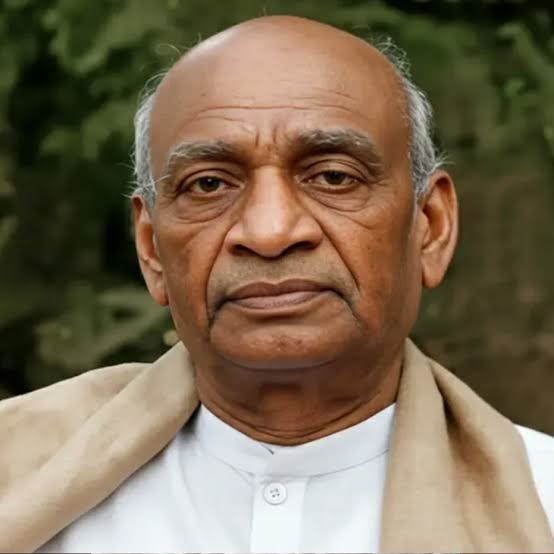
Sardar Vallabhbhai Patel, popularly known as the “Iron Man of India,” was born on 31 October 1875 in Nadiad. He belonged to a farming family and was the fourth of six children. His father, Jhaverbhai Patel, had served in the army of Rani Lakshmibai of Jhansi, while his mother, Ladba Devi, was a deeply religious woman.
Patel completed his early education in Gujarat and later studied law independently. Determined to become a successful lawyer, he traveled to London in 1910 to pursue legal studies at the Middle Temple. He completed the course with distinction and returned to India in 1913 as a barrister.
Education & Skills
Sardar Patel was highly educated in law and possessed exceptional leadership and organizational skills. His major skills included:
- Legal expertise as a barrister.
- Strong administrative and management abilities.
- Excellent negotiation and conflict-resolution skills.
- Public speaking and political leadership.
- Strategic planning and decision-making.
These qualities helped him become one of India’s most influential political leaders.
Contribution to Tamil Literature
Sardar Vallabhbhai Patel did not make any direct contribution to Tamil literature. However, his speeches, leadership, and role in nation-building inspired numerous Tamil writers, poets, and historians. Many Tamil books and articles have been written about his patriotism, political vision, and efforts toward national unity.
Role in India’s Freedom Movement
Patel played a crucial role in India’s struggle for independence.
Kheda Satyagraha (1918)
He worked closely with Mahatma Gandhi to organize farmers in Kheda, Gujarat, against unjust taxation during crop failures.
Bardoli Satyagraha (1928)
Patel led the famous Bardoli movement against increased land revenue taxes imposed by the British. His successful leadership earned him the title “Sardar,” meaning leader or chief.
Non-Cooperation and Civil Disobedience Movements
He actively participated in major national movements launched by Gandhi and was imprisoned several times by British authorities.
Quit India Movement (1942)
Patel was one of the key leaders of the Quit India Movement, demanding an end to British rule in India. He was arrested and imprisoned until 1945.
Integration of Princely States
After independence in 1947, Patel served as India’s first Deputy Prime Minister and Home Minister. He successfully integrated more than 560 princely states into the Indian Union, ensuring the political unity of the country.
Personal Life
Sardar Patel married Jhaverba Patel at a young age, following the customs of that period. The couple had two children, Maniben Patel and Dahyabhai Patel.
After his wife’s death in 1909, Patel devoted himself to raising his children and serving the nation. He never remarried and dedicated most of his life to public service and India’s development.
Death
Sardar Vallabhbhai Patel passed away on 15 December 1950 in Mumbai due to heart-related complications. His death was mourned across the nation as India lost one of its greatest leaders and nation-builders.
In recognition of his immense contributions, he was posthumously awarded the Bharat Ratna in 1991.
Conclusion
Sardar Vallabhbhai Patel was a remarkable freedom fighter, statesman, and architect of modern India’s unity. His leadership in the freedom struggle and his successful integration of princely states earned him a permanent place in Indian history. His dedication, discipline, and patriotism continue to inspire generations of Indians, making him one of the most respected leaders of the nation.
About the Author