1. Introduction
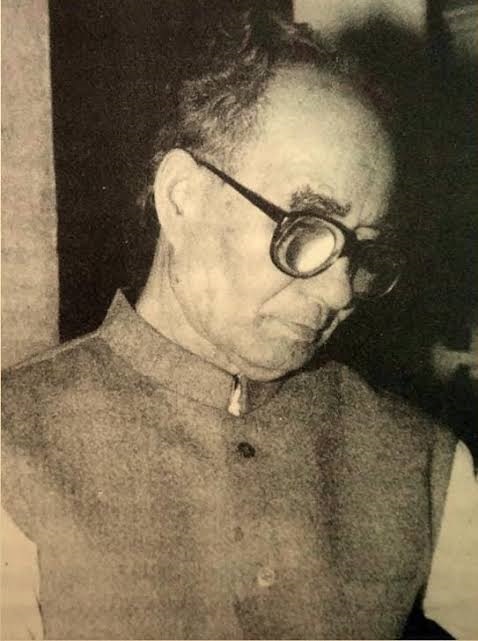
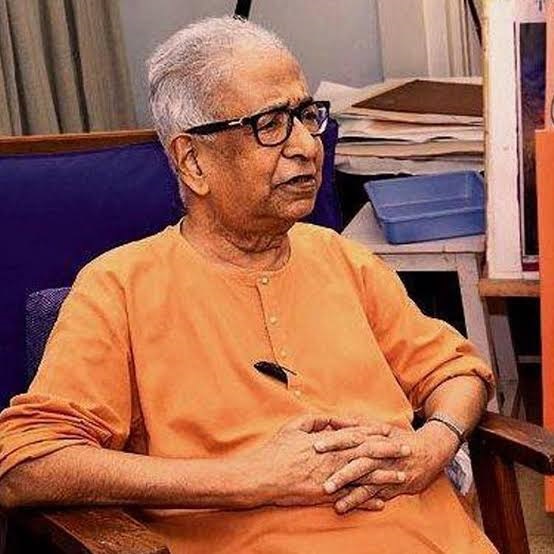
Kalpathi Ganpathi “K.G.” Subramanyan (5 February 1924 – 29 June 2016) was one of India’s most influential modern artists, muralists, printmakers, art educators, and thinkers. A central pillar of the “Baroda School” of art, Subramanyan seamlessly blurred the boundaries between “fine art” and “craft,” drawing deeply from Indian folk traditions, mythology, and indigenous aesthetics. Beyond his breathtaking canvases, terracotta reliefs, and glass paintings, he was a fearless freedom fighter in his youth and an inspiring teacher who shaped generations of modern Indian artists.
2. Quick Facts
- Full Name: Kalpathi Ganpathi Subramanyan (K.G. Subramanyan)
- Native Name: कलपति गणपति सुब्रह्मण्यन
- Date of Birth: February 5, 1924
- Place of Birth: Kuttuparamba, Malabar region (now in Kannur district, Kerala), British India
- Nationality: Indian
- Occupation / Profession: Artist, Muralist, Writer, Art Historian, Educator
- Field of Achievement: Fine Arts, Terracotta Murals, Printmaking, Art Education, and Cultural Criticism
- Years Active: 1940s–2016 (Over seven decades of creative and academic contribution)
3. Award Information (Focus: Padma Vibhushan)
- Award Name: Padma Vibhushan
- Award Category: Civil Honour (Second-highest civilian award in India)
- Award Year: 2012
- Presented By: Government of India (Conferred by President Pratibha Patil)
- Date of Ceremony: March 2012
- Citation / Official Reason: For his exceptional and distinguished service to art, literature, education, and cultural development in India.
- Previous Recipients (Optional): Prominent national figures, artists, scientists, and statesmen.
- Next Recipients: Succeeding eminent personalities in subsequent years.
4. Why They Received the Award?
K.G. Subramanyan received the Padma Vibhushan—alongside earlier honors like the Padma Shri (1975) and Padma Bhushan (2006)—because he revolutionized the grammar of modern Indian art. He rejected imitation of Western modernism, finding a fresh, indigenous modern vocabulary that fused traditional Indian folk crafts with contemporary aesthetics. His stellar contributions as a visionary teacher at M.S. University, Baroda, and his profound body of murals, paintings, and critical writings earned him the highest national reverence.
5. Early Life
Born in 1924 in a Tamil Brahmin family in Kuttuparamba, Kerala, Subramanyan grew up in a culturally vibrant environment. In his youth during the 1940s, he was deeply swept up in the Indian freedom movement. As an active student leader and Gandhian sympathizer, he was imprisoned and briefly barred from government-run colleges for participating in the Quit India Movement.
6. Education
- Early Studies: Initially studied economics at Presidency College, Madras, where his political activism cut his studies short.
- Art Training: Enrolled in the prestigious Kala Bhavana (the art faculty at Visva-Bharati University, Santiniketan) from 1944 to 1948. There, he studied under legendary masters like Nandalal Bose, Benode Behari Mukherjee, and Ramkinkar Baij, absorbing their philosophy of living art and deep connection with nature and craft.
- Advanced Studies: Later studied at the Slade School of Art, University of London, on a British Council Fellowship from 1955 to 1956.
7. Career Journey
- Early Teaching: Began his teaching career at the Faculty of Fine Arts, M.S. University of Baroda, starting in 1951, helping establish it as a premier epicenter of modern Indian art.
- Design & Handloom Development: Served as Deputy Director (Design) at the All India Handicrafts Board in Delhi (1959–1961), where he worked closely with traditional weavers and craftspeople.
- Return to Santiniketan: Returned to Santiniketan as a professor of painting and later served as Professor Emeritus and Dean of the Faculty of Fine Arts in Baroda, mentoring generations of artists.
8. Major Achievements
- Pioneering Murals: Created monumental terracotta and ceramic murals across India, most notably the giant mural at the Rabindra Bhavan (Lalit Kala Akademi) in New Delhi.
- Integration of Craft and Art: Broke down elitist barriers by championing toys, weaves, terracotta, and traditional craft traditions as valid, high-art mediums.
- Children’s Book Author & Illustrator: Wrote and illustrated whimsical, deeply philosophical children’s books (such as The Tale of Flute), creating a unique visual language for young readers.
- Prolific Writer: Authored critical books on art history and aesthetics, including The Living Tradition and Moving Focus.
9. Contribution to the Nation
Subramanyan redefined modern Indian visual culture by proving that modernity does not require abandoning cultural roots. Through his administrative roles, institutional building in Baroda and Santiniketan, and deep engagement with craftspeople, he helped preserve and revitalize India’s indigenous handicraft traditions while pushing contemporary art into exciting new frontiers.
10. Other Awards and Honours
- Padma Shri (1975): Conferred by the Government of India for distinguished contributions to art.
- Kalidas Samman (1981): Awarded by the Government of Madhya Pradesh.
- Padma Bhushan (2006): India’s third-highest civilian honor.
- Gagan-Aban Abanindranath Puraskar (1991): From the Paschim Banga Akademi.
- Padma Vibhushan (2012): India’s second-highest civilian award for lifetime achievement in art.
11. Legacy and Influence
K.G. Subramanyan remains a towering figure in South Asian art history. Known affectionately as “Mani-da” by students and peers, his multi-disciplinary approach—spanning painting, printmaking, terracotta, book illustration, and writing—broke stylistic boundaries. His critical writings continue to guide how art historians analyze the intersection of tradition and modernity in post-independence India.
12. Interesting Facts
- Jail Time for Freedom: He spent several months in jail during his college years for distributing underground nationalist literature during the 1942 Quit India Movement.
- Master of Many Mediums: He could paint brilliant reverse-glass paintings, carve terracotta tiles, sketch playful children’s books, and weave textiles with equal mastery.
- The Santiniketan Bond: Despite spending decades teaching in Baroda, his artistic soul remained permanently tied to the open-air, nature-integrated philosophy of Santiniketan.
13. Quotes
“Tradition is not a museum piece; it is a stream of consciousness that flows through time, changing its shape but keeping its core alive.”
“Art is not a luxury or an isolated ornament; it is an intrinsic part of human communication and social expression.”
14. Timeline
- 1924: Born on February 5 in Kuttuparamba, Kerala.
- 1942: Imprisoned briefly for participating in the Quit India Movement.
- 1948: Graduated from Kala Bhavana, Santiniketan.
- 1951: Joined the newly formed Faculty of Fine Arts at M.S. University, Baroda, as a teacher.
- 1956: Completed advanced studies at the Slade School of Art, London.
- 1975: Awarded the Padma Shri.
- 1981: Received the prestigious Kalidas Samman.
- 2006: Conferred the Padma Bhushan.
- 2012: Honored with the Padma Vibhushan by the President of India.
- 2016: Passed away on June 29 in Vadodara, Gujarat, at the age of 92.
15. References
- Wikipedia contributors. K.G. Subramanyan. Wikipedia, The Free Encyclopedia.
- The Hindu. K.G. Subramanyan: Artist who bridged craft and fine art passes away.
- Seagull Books. Works and writings by K.G. Subramanyan.
- M.S. University Baroda Archives. Faculty of Fine Arts history.
16. Related Personalities
- Nandalal Bose: Legendary mentor and pioneer of the Bengal School at Santiniketan.
- Benode Behari Mukherjee: Renowned muralist, artist, and teacher who profoundly influenced Subramanyan.
- Ramkinkar Baij: Iconic sculptor and painter who was a major inspirational force during his Santiniketan years.
17. Frequently Asked Questions (FAQ)
Q1: Who was K.G. Subramanyan?
A: K.G. Subramanyan was a legendary Indian modern artist, muralist, writer, and teacher who played a foundational role in shaping the Baroda School of art and bridging fine art with traditional Indian craft.
Q2: Which major civilian awards did he receive?
A: He received the Padma Shri in 1975, the Padma Bhushan in 2006, and India’s second-highest civilian honor, the Padma Vibhushan, in 2012.
Q3: What was his connection to Santiniketan?
A: He was a student at Kala Bhavana in Santiniketan from 1944 to 1948, studying directly under masters like Nandalal Bose and Benode Behari Mukherjee, which profoundly shaped his artistic philosophy.
About the Author