1. Introduction
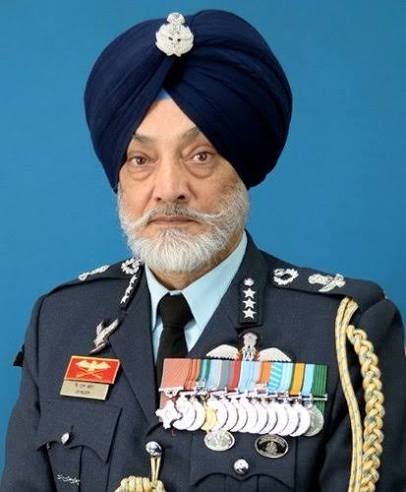
Air Commodore Jasjit Singh (8 July 1934 – 4 August 2013) was one of India’s most distinguished fighter pilots, war heroes, and preeminent military strategists. Having flown hazardous combat missions during the 1971 Indo-Pakistani War—for which he was awarded the Vir Chakra—he later transitioned into shaping India’s defense and security policies. As the longest-serving director of the Institute for Defence Studies and Analyses (IDSA) and the founder-director of the Centre for Air Power Studies (CAPS), he left an indelible mark on national security discourse, strategic writing, and air power thinking.
2. Quick Facts
- Full Name: Air Commodore Jasjit Singh
- Native Name: जसजीत सिंह
- Date of Birth: July 8, 1934
- Place of Birth: Montgomery, Punjab (now Pakistan)
- Nationality: Indian
- Occupation / Profession: Fighter Pilot, Military Officer, Strategic Thinker, Author
- Field of Achievement: Military Aviation, National Security, Geopolitical Strategy, and Defense Studies
- Years Active: 1956–1987 (Active military service); 1987–2013 (Strategic think-tank leadership and writing)
3. Award Information (Focus: Padma Bhushan)
- Award Name: Padma Bhushan
- Award Category: Civil Honour (Third-highest civilian award in India)
- Award Year: 2006
- Presented By: Government of India (Conferred by President Dr. A.P.J. Abdul Kalam)
- Date of Ceremony: March 29, 2006
- Citation / Official Reason: For his exceptional contributions to national security, strategic studies, and lifetime devotion to public service and military excellence.
- Previous Recipients (Optional): Distinguished leaders, scientists, and senior public figures.
- Next Recipients: Succeeding eminent personalities in subsequent years.
4. Why They Received the Award?
Air Commodore Jasjit Singh was decorated with the Padma Bhushan and military honors like the Vir Chakra, Ati Vishisht Seva Medal (AVSM), and Vayu Sena Medal (VM) because of his extraordinary dual contribution to India: first, as a fearless combat leader who flew critical fighter-bomber missions under heavy enemy fire during the 1971 war; and second, as India’s premier strategic architect who built independent institutional structures (like IDSA and CAPS) to analyze defense policies, train young researchers, and guide national security planning.
5. Early Life
Born on July 8, 1934, in the Punjab region of undivided British India, Jasjit Singh grew up during a turbulent era marked by the independence movement and the Partition of India. Witnessing the birth of independent India shaped his deep-rooted patriotism, sense of duty, and lifelong commitment to building a secure, self-reliant nation.
6. Education
He pursued higher education and rigorous professional military training tailored to the standards of the emerging Indian Armed Forces. Beyond basic schooling, he attended elite service institutions, including the prestigious Defence Services Staff College (DSSC) in Wellington, India, in 1968, where he refined his operational and command capabilities.
7. Career Journey
- Commissioning: Commissioned into the fighter stream of the Indian Air Force (IAF) on April 1, 1956, starting a glittering multi-decade flying career.
- Operational Roles: Served as a flight commander in the Eastern Sector (1961–62) and as a flying instructor at the Flying Instructors School in Tambaram.
- Wartime Leadership: Volunteered for frontline operations during the 1971 Indo-Pakistani War, flying hazardous missions in vulnerability-prone Mystere fighter-bombers with No. 3 Squadron.
- Staff & Command: Commanded No. 17 Squadron, later serving as Director of Flight Safety, Director of Offensive Operations, and Director of Air Induction at Air Headquarters, concluding active service as Director of Operations.
- Think-Tank Leadership: Post-retirement, he served as the Director of the Institute for Defence Studies and Analyses (IDSA) from 1987 to 2001, and founded the Centre for Air Power Studies (CAPS) in 2001, heading it until 2013.
8. Major Achievements
- Gallantry in 1971 War: Successfully executed low-level strikes against heavily defended enemy positions and armored targets, earning the Vir Chakra.
- Shaping IDSA: Led IDSA for 14 continuous years, transforming it into a world-class global think-tank on security.
- Founding CAPS: Established the Centre for Air Power Studies in New Delhi, creating India’s premier dedicated air power and aerospace strategy research institution.
- Prolific Author: Authored and edited seminal books on defense strategy, including Air Power in Modern Warfare, Kargil 1999: Pakistan’s Fourth War for Kashmir, and Nuclear India.
9. Contribution to the Nation
Air Commodore Jasjit Singh bridged the gap between military operations and academic policymaking. He established the framework for independent security analysis in India, helping civilian leadership understand complex nuclear dynamics, air strategy, and modernization needs. His writings and mentorship directly influenced Indian defense white papers, military doctrine, and regional security frameworks.
10. Other Awards and Honours
- Vir Chakra (VrC) – 1971: Awarded for conspicuous gallantry and professional skill during active wartime operations.
- Ati Vishisht Seva Medal (AVSM) – 1984: Conferred for distinguished service of an exceptional order in the IAF.
- Vayu Sena Medal (VM): Awarded for devotion to duty and flying excellence.
- Padma Bhushan – 2006: India’s third-highest civilian award for lifetime contributions to national security.
11. Legacy and Influence
Revered as an “institution” within the Indian military community, Air Commodore Singh mentored generations of defense analysts, journalists, and officers. His establishment of CAPS ensured that air power and aerospace strategy received dedicated intellectual focus in a land-centric security environment. His son, Vice Admiral Sanjay Jasjit Singh, continued the family’s distinguished military service, rising to senior leadership in the Indian Navy.
12. Interesting Facts
- The Fighter Family: His brother Charanjit Singh also served in the IAF and won a Vir Chakra during the 1971 war, making them a rare, highly decorated sibling pair in military aviation.
- Volunteering for Action: Just before the 1971 war, he was posted safely at Air Headquarters as a staff officer, but explicitly requested an attachment to a frontline combat unit so he could fight on the frontlines.
- The Authorized Biographer: He penned The Icon, the official authorized biography of Marshal of the Indian Air Force Arjan Singh.
13. Quotes
“The air we breathe and the national security we secure depend on our ability to look far ahead into the future—we must teach our forces and thinkers to soar.”
“National security is not merely about accumulating weapons; it is about building self-reliant strategic thought and intellectual depth.”
14. Timeline
- 1934: Born on July 8 in Montgomery, Punjab.
- 1956: Commissioned into the Indian Air Force as a fighter pilot on April 1.
- 1971: Fought in the Indo-Pakistani War, earning the Vir Chakra for frontline gallantry.
- 1987: Retired from active service as Air Commodore and took over as Director of IDSA.
- 2001: Founded the Centre for Air Power Studies (CAPS) in New Delhi.
- 2006: Conferred the Padma Bhushan by President A.P.J. Abdul Kalam.
- 2013: Passed away peacefully on August 4 in New Delhi at the age of 79.
15. References
- Wikipedia contributors. Jasjit Singh (IAF officer). Wikipedia, The Free Encyclopedia.
- Honourpoint. Air Commodore Jasjit Singh, AVSM, VrC, VM – Service Profile.
- Business Standard / IANS. PM condoles Air Commodore Jasjit Singh’s death.
- Singh, Jasjit. Air Power in Modern Warfare (1988) & Kargil 1999: Pakistan’s Fourth War for Kashmir (1999).
16. Related Personalities
- Marshal of the IAF Arjan Singh: Legendary five-star Air Force leader whose authorized biography was written by Air Commodore Jasjit Singh.
- Dr. A.P.J. Abdul Kalam: Former President of India and aerospace scientist who presented the Padma Bhushan.
- Vice Admiral Sanjay Jasjit Singh: Son and senior Flag Officer in the Indian Navy.
17. Frequently Asked Questions (FAQ)
Q1: Was Air Commodore Jasjit Singh in the Air Force or Navy?
A: He was a legendary officer in the Indian Air Force (IAF), serving as a fighter pilot and rising to the rank of Air Commodore. (Note: His son later served as a senior Admiral in the Indian Navy).
Q2: What war medals did Air Commodore Jasjit Singh win?
A: He was decorated with the Vir Chakra (for gallantry during the 1971 war), the Ati Vishisht Seva Medal (AVSM), and the Vayu Sena Medal (VM).
Q3: What was his contribution to think-tanks?
A: He served as the longest-running Director of the Institute for Defence Studies and Analyses (IDSA) from 1987 to 2001 and founded the Centre for Air Power Studies (CAPS) in 2001.
About the Author