

1. Introduction
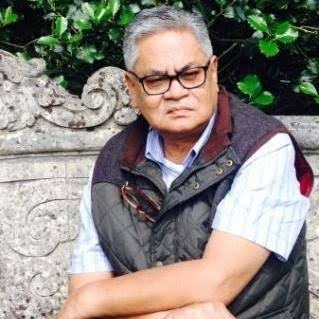
Professor Mrinal Miri (born August 1, 1940) is one of India’s most pre-eminent philosophers, educationists, and public intellectuals. Renowned for his deep explorations of ethics, identity, philosophy of education, and indigenous traditions, he has spent decades shaping intellectual thought and academic institutions in India. As a former Director of the Indian Institute of Advanced Study (IIAS), Vice-Chancellor of North-Eastern Hill University (NEHU), and a nominated Member of the Rajya Sabha, his life represents an unyielding commitment to rationality, secularism, and inclusive education.
2. Quick Facts
- Full Name: Mrinal Miri
- Native Name: মৃনাল মিৰি (Assamese)
- Date of Birth: August 1, 1940
- Place of Birth: Shillong, undivided Assam, British India (now Meghalaya, India)
- Nationality: Indian
- Occupation / Profession: Philosopher, Educator, Academic Administrator, Public Intellectual
- Field of Achievement: Philosophy, Higher Education Policy, and Ethics
- Years Active: 1970s – Present
3. Award Information (Focus: Padma Bhushan)
- Award Name: Padma Bhushan
- Award Category: Literature and Education
- Award Year: 2005
- Presented By: The President of India (Dr. A.P.J. Abdul Kalam) at Rashtrapati Bhavan
- Date of Ceremony: Spring 2005
- Citation / Official Reason: For distinguished service of a high order and exceptional contributions to the fields of education and literature.
4. Why Did He Receive the Award?
Prof. Mrinal Miri received the Padma Bhushan in recognition of his lifelong dedication to enriching higher education and philosophical literature in India. He was specifically honored for his profound academic leadership, his contributions to institution-building in Northeast India, and his rigorous intellectual writing on moral philosophy and human sciences.
5. Early Life
Born in Shillong in August 1940, Miri grew up amidst the rich cultural diversity and natural beauty of Northeast India. Growing up in an intellectually stimulating environment, he developed a keen sensitivity toward tribal life, societal ethics, and cultural identity. These early localized experiences deeply informed his later philosophical inquiries into how communities construct meaning, morality, and social harmony.
6. Education
- Undergraduate Studies: Earned his Bachelor of Arts (B.A.) in Philosophy from the University of Cambridge (UK) in 1966.
- Doctoral Research (Ph.D.): Continued his advanced research at Cambridge, successfully completing his Ph.D. in Philosophy in 1970.
- Philosophical Foundation: His training at Cambridge exposed him to rigorous analytic philosophy and modern Western thought, which he seamlessly synthesized with deep reflections on Indian traditions and moral existence.
7. Career Journey
- St. Stephen’s College (1970–1974): Began his active teaching career as a Lecturer in Philosophy at St. Stephen’s College, University of Delhi, inspiring a generation of young minds.
- North-Eastern Hill University (NEHU): Moved to Shillong to join NEHU, where he served as a Professor of Philosophy and later as its Vice-Chancellor, transforming it into a vibrant hub for regional and national academic excellence.
- IIAS Shimla Leadership (1993–1999): Served as the Director of the Indian Institute of Advanced Study (IIAS), Shimla, fostering cross-disciplinary dialogues in the humanities and social sciences.
- National Policy & Parliament: Served as a member of the National Advisory Council (NAC), contributed to the rollout of the Right to Education (RTE) Act, and was nominated as a Member of the Rajya Sabha (2012–2016).
8. Major Achievements
- Authored Definitive Philosophical Works: Published highly regarded books including Identity and the Moral Life (2002), Philosophy and Education (2014), and edited volumes like The Idea of Surplus: Tagore and Contemporary Human Sciences.
- National Recognition (2005): Conferred the Padma Bhushan by the President of India.
- Prestigious Accolades: Awarded the Pandit Iswar Chandra Vidyasagar Gold Plaque by the Asiatic Society of India (2010) and the Madhabdev Award by the Government of Assam (2010).
9. Contribution to the Nation
Prof. Miri brought a rare moral clarity to Indian public policy and educational frameworks. Through his active involvement with the National Advisory Council and the implementation of the RTE Act, he championed equitable, high-quality learning spaces for all children. Furthermore, as an intellectual bridge between Northeast India and mainstream national discourse, he ensured that regional cultural identities were respected and integrated into national civic life.
10. Other Awards and Honours
- Padma Bhushan: 2005 (Government of India)
- Pandit Iswar Chandra Vidyasagar Gold Plaque: 2010 (Asiatic Society of India)
- Madhabdev Award: 2010 (Government of Assam)
- Rajya Sabha Nomination: 2012 (Nominated by the President of India under Article 80 for distinguished contributions to education and culture).
11. Legacy and Influence
Prof. Mrinal Miri stands as a moral compass in contemporary Indian academia. His philosophy rejects rigid dogma, advocating instead for an open, self-critical, and empathetic approach to human relations. His legacy lives on through his students, his extensive writings on ethics and education, and his lifelong defense of secular democratic values.
12. Interesting Facts
- A Philosophical Partnership: He is married to Sujata Miri, an accomplished philosopher in her own right, making their household a quiet, enduring center of deep philosophical discourse.
- Cambridge Roots: Despite occupying high-level bureaucratic and parliamentary offices, he has always remained fundamentally a teacher at heart, preferring the quiet rigor of a seminar room or a book-lined study.
- A Voice for the Marginalized: Throughout his tenure in the Rajya Sabha and public committees, Miri consistently used his platform to advocate for tribal rights, linguistic preservation, and inclusive social justice.
13. Quotes
“Education is not merely the accumulation of technical skills or information; it is the awakening of moral imagination and the capacity to understand the other.” — Prof. Mrinal Miri
14. Timeline
- 1940: Born on August 1 in Shillong, Assam.
- 1966–1970: Completes his B.A. and Ph.D. in Philosophy at the University of Cambridge.
- 1970–1974: Teaches philosophy at St. Stephen’s College, Delhi.
- 1993–1999: Serves as Director of the Indian Institute of Advanced Study (IIAS), Shimla.
- 2005: Conferred the Padma Bhushan by the President of India.
- 2012–2016: Serves as a nominated Member of Parliament in the Rajya Sabha.
- Present: Continues writing, lecturing, and contributing to moral philosophy and educational discourse.
15. References
- Wikipedia – Mrinal Miri Profile & Bibliography
- Press Information Bureau (PIB) – Government of India Ministerial & Rajya Sabha Nomination Archives
- The Assam Tribune – Archival Features on Honors and Awards
- North-Eastern Hill University (NEHU) – Faculty and Academic Heritage Records
16. Related Personalities
- Sujata Miri (Fellow Philosopher and Spouse)
- Ram Dayal Munda (Noted Scholar and Predecessor in Rajya Sabha Nomination)
- Dr. A.P.J. Abdul Kalam (Former President of India)
17. Frequently Asked Questions (FAQ)
- Q: Who is Prof. Mrinal Miri?
- A: He is a distinguished Indian philosopher, educationist, and former nominated Member of Parliament (Rajya Sabha).
- Q: What are his primary academic contributions?
- A: He is widely recognized for his scholarly work in ethics, moral philosophy, and the philosophy of education, alongside serving as Director of IIAS Shimla and Vice-Chancellor of NEHU.
- Q: What major civilian award has he received?
- A: He was awarded the Padma Bhushan in 2005 by the Government of India for his exceptional contributions to education and literature.
About the Author




