

1. Introduction
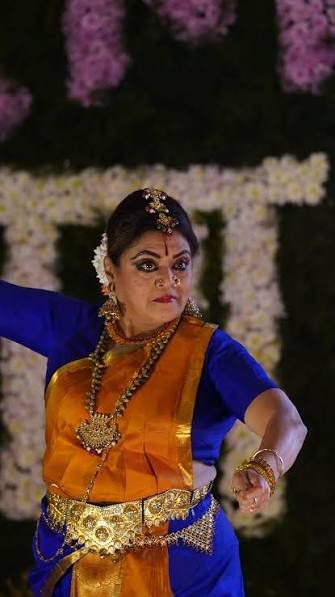
Swapna Sundari is a legendary Indian classical dancer, choreographer, vocalist, and devoted revivalist. As a celebrated virtuoso of Kuchipudi and Bharatanatyam, she is globally renowned for her historical and cultural crusades to unearth, revive, and popularize Vilasini Natyam—the traditional temple and court dance form of Andhra Pradesh. Her multifaceted career spans rigorous performance art, classical vocal music, deep musicological research, and literary documentation.
2. Quick facts
- Full Name: Swapna Sundari (Swapnasundari Rao Prakash)
- Native Name: స్వప్న సుందரி (Telugu) / ஸ்வப்ன சுந்தரி (Tamil)
- Date of birth: Private / Mid-20th Century
- Place Of birth: Chennai, Tamil Nadu, India
- Nationality: Indian
- Occupation/ Profession: Classical Dancer, Choreographer, Carnatic Vocalist, Author
- Field of Achievement: Indian Classical Dance (Kuchipudi, Bharatanatyam, Vilasini Natyam)
- Years Active: 1970s–Present
3. Award Information
- Award Name: Padma Bhushan / Sangeet Natak Akademi Award / Sahitya Kala Parishad Award
- Award Category: National Civilian Honour & Supreme Performing Arts Recognitions
- Award Year: Padma Bhushan (2003), Sangeet Natak Akademi Award (prior years)
- Presented By: The President of India / Government of India
- Date of Ceremony: Conferred during national Republic Day investiture ceremonies.
- Citation/Official Reason: Recognized for her stellar contributions to Indian classical dance, her lifelong revival of rare temple art traditions, and her multifaceted excellence as a performing artist and scholar.
- Previous Recipients (optional): Eminent Indian classical dancers and cultural pioneers.
- Next Recipients: Conferred among notable national creative awardees.
4. Why they Receive the award?
Swapna Sundari received India’s high civilian and artistic honors because of her monumental role in resurrecting a lost chapter of Indian dance history—Vilasini Natyam—saving it from total obscurity. Furthermore, her brilliant technique in Kuchipudi and Bharatanatyam, combined with her proficiency as a classical vocalist, established her as an exceptionally complete and authentic asset to Indian culture.
5. Early Life
Born in Chennai into a culturally rich family, music and fine arts were a constant presence in her early life. Her mother and grandmother nurtured her foundational training in Carnatic vocal music. Surrounded by a deeply artistic ecosystem spanning Tamil Nadu and Andhra Pradesh, she developed an early fascination with the nuances of South Indian movement grammar, abhinaya (expression), and laya (rhythm).
6. Education
- Dance Training: Trained extensively under legendary masters. Her Kuchipudi education was shaped under Gurus Pasumarty Seetharamaiah, Yeleswarapu Suryaprakash Sarma, and veteran exponent T. Mukta. For Bharatanatyam, she trained under distinguished teachers including K. J. Govindarajan, K. N. Dakshinamoorthy, and the legendary Kalanidhi Narayanan.
- Academic & Musical Studies: Mastered Carnatic vocal performance alongside intensive historical and textual research into ancient Sanskrit and Telugu treatises on dance and dramaturgy.
7. Carrier Journey
- Performance Career: Emerged as a prominent soloist in Kuchipudi and Bharatanatyam during the 1970s and 80s, captivating audiences with her sharp footwork (nritta) and deeply emotive storytelling (abhinaya).
- Revival of Vilasini Natyam: Embarked on decades of grueling field research, tracking down the last surviving traditional temple and court dancers (Sani and Bhogam women) of Andhra Pradesh to learn authentic repertoires.
- Institutional Leadership: Founded the Kuchipudi Dance Centre (Kuchipudi Dance Theatre) in New Delhi to train younger generations and propagate authentic regional styles.
8. Major Achievements
- Spearheaded the historic revival and mainstream staging of Vilasini Natyam, bringing back an extinct temple dance heritage.
- Conferred the prestigious Padma Bhushan by the Government of India in 2003.
- Recipient of the Sangeet Natak Akademi Award and the Sahitya Kala Parishad Award.
- Authored definitive academic texts, including Vilasini Natyam: Bharatam of Telugu Temple and Court Dancers (2010), The World of Kuchipudi Dance, and Tracing the Roots of a Classical Dance.
- Released acclaimed musical albums such as Janmabhoomi Meri Pyaari.
9. Contribution to the nation
Swapna Sundari preserved a vital, dying link in India’s intangible cultural heritage. By legally, historically, and physically documenting the traditional dance lineages of Andhra temple dancers, she saved a marginalized heritage from vanishing. Through her performances, books, and institutional training, she enriched India’s cultural education and solidified the connection between regional folk/classical roots and national high art.
10. Other Awards and Honours
- Padma Bhushan (2003) – Government of India
- Sangeet Natak Akademi Award – National Academy of Music, Dance and Drama
- Sahitya Kala Parishad Award
- Special recognition for being among the rare modern performers granted permission to dance annually inside traditional temple rituals.
11. Legacy and influence
Swapna Sundari is remembered as a fearless cultural custodian and an uncompromising classicist. While many dancers confine their work to mainstream popular repertoires, she ventured into uncharted and often misunderstood historical territory to rescue Vilasini Natyam. Her legacy stands on the twin pillars of breathtaking physical execution on stage and rigorous scholarship off-stage.
12. Interesting Facts
- The Rare Temple Privilege: She achieved the rare distinction of being a contemporary performing artist officially permitted to dance inside historic temple sanctums during annual worship rituals, keeping ancient traditions alive.
- Dual Mastery: Unlike many dancers who rely entirely on recorded tracks or accompanying singers, she is an accomplished classical vocalist who often sings for her own productions or deeply understands musical structures from a composer’s point of view.
- Author and Researcher: Her academic book Vilasini Natyam (co-authored with Dr. Arudra) is considered the definitive bible on the temple and court dances of Andhra Pradesh.
13. Quotes
“Classical dance is not merely a visual spectacle; it is a living archive of a civilization’s spiritual, aesthetic, and social history.” — Swapna Sundari
14. Timeline
- Early Years: Born in Chennai; trained under legendary Bharatanatyam and Kuchipudi gurus.
- 1970s–1980s: Rose to national prominence as a leading Kuchipudi and Bharatanatyam soloist.
- 1980s Onwards: Began intensive field research into the vanishing traditions of Andhra temple dancers, laying the groundwork for Vilasini Natyam.
- 2003: Conferred the Padma Bhushan by the Government of India.
- 2010: Published her landmark research text, Vilasini Natyam: Bharatam of Telugu Temple and Court Dancers.
15. References
- Wikipedia: Swapna Sundari (dancer) Profile
- The Hindu: Voice of Vilasini Natyam & Back in Time Archives
- Sundari, Swapna. Vilasini Natyam: Bharatam of Telugu Temple and Court Dancers. 2010.
16. Related Personalities
- Kalanidhi Narayanan (Renowned Bharatanatyam and Abhinaya Guru)
- Dr. Arudra (Telugu poet, critic, and research collaborator)
- Pasumarty Seetharamaiah (Kuchipudi Guru)
- T. Mukta (Musician and mentor)
17. Frequency Asked Questions (FAQ)
- Q: Who is Swapna Sundari?
- A: She is a celebrated Indian classical dancer, vocalist, and scholar known for her mastery of Kuchipudi, Bharatanatyam, and her historic revival of Vilasini Natyam.
- Q: What is Vilasini Natyam?
- A: It is the traditional temple and court dance form of Andhra Pradesh traditionally practiced by the Sani and Bhogam community women, which Swapna Sundari successfully revived.
- Q: What prestigious civilian honors has she received?
- A: She is a recipient of the prestigious Padma Bhushan (2003), along with the Sangeet Natak Akademi Award.
About the Author




