

1. Introduction
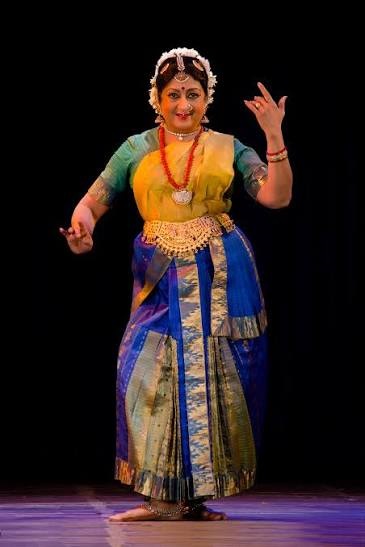
Dr. Padma Subrahmanyam is a legendary Indian classical dancer, dance researcher, choreographer, music composer, and indologist. Widely celebrated as a living icon of Bharatanatyam, she is universally credited with introducing a revolutionary dimension to the art form through her extensive reconstruction of the Karanas—the ancient temple dance postures sculpted on the temples of Tamil Nadu. Her unmatched blend of scholarly rigor and artistic brilliance has transformed the global understanding of Indian dance history.
2. Quick facts
- Full Name: Padma Subrahmanyam
- Native Name: பத்மா சுப்பிரமணியம் (Tamil)
- Date of birth: February 4, 1943
- Place Of birth: Madras (now Chennai), Tamil Nadu, India
- Nationality: Indian
- Occupation/ Profession: Bharatanatyam Dancer, Choreographer, Indologist, Author
- Field of Achievement: Indian Classical Dance, Dance Research, and Temple Architecture
- Years Active: 1950s–Present
3. Award Information
- Award Name: Padma Shri / Padma Bhushan / Padma Vibhushan
- Award Category: National Civilian Honours (Including India’s Second-Highest Civilian Award)
- Award Year: Padma Shri (1981), Padma Bhushan (2003), Padma Vibhushan (2024)
- Presented By: The President of India
- Date of Ceremony: Conferred during successive national Republic Day investiture ceremonies.
- Citation/Official Reason: Recognized for her seminal contributions to the arts, groundbreaking historical research into ancient dance sculptures, and lifelong promotion of Indian classical heritage globally.
- Previous Recipients (optional): Rukmini Devi Arundale, Balasaraswati, Yamini Krishnamurthy.
- Next Recipients: Conferred among India’s most celebrated national civilian and cultural awardees.
4. Why they Receive the award?
Dr. Padma Subrahmanyam received India’s highest civilian decorations because she bridged the gap between academic history and physical performance. By deciphering the 108 Karanas carved in stone at the Nataraja temple in Chidambaram and other historic sites, she revived ancient movement vocabularies that had been lost for centuries, enriching the repertoire of Bharatanatyam and restoring its deep scriptural roots.
5. Early Life
Born into a deeply artistic and illustrious family in Chennai, her father was the renowned film director, producer, and screenwriter K. Subrahmanyam, and her mother, Meenakshi Subrahmanyam, was a talented musician and lyricist. Growing up in a creative environment surrounded by filmmakers, poets, and musicians, she began training in Bharatanatyam under legendary gurus like Vazhuvoor B. Ramaiah Pillai at a very young age.
6. Education
- Academic Qualifications: Earned her Bachelor of Music (B.Mus.) and Master of Arts (M.A.) in Ancient History and Archaeology from the University of Madras.
- Doctorate: Awarded a Ph.D. in Dance from the University of Madras for her groundbreaking doctoral thesis titled “Dance Sculpture in Tamil Nadu,” marking a milestone in practice-based academic research.
7. Carrier Journey
- Stage Debut (Arangetram): Performed her formal arangetram in 1956 at the Mylai Sangeetha Sabha in Chennai.
- Choreographic Milestones: Created path-breaking thematic dance ballets, including Bhaja Govindam, Meenakshi Kalyanam, Silappathikaram, and Leela Shuka.
- International Ambassadorship: Toured extensively across the world, performing and lecturing on Indian dance history. She was famously invited to perform and lecture in countries like Japan, Russia, and the United States, earning international acclaim.
8. Major Achievements
- Conferred India’s prestigious Padma Vibhushan (2024), Padma Bhushan (2003), and Padma Shri (1981) by the Government of India.
- Reconstructed and brought to life the 108 sculptural Karanas of Nataraja, immortalizing them in her instructional book and documentary films.
- Served as the President of the Nrithyodaya institution in Chennai, training thousands of students.
- Received the prestigious Sangeet Natak Akademi Award (1983) and the Fukuoka Asian Culture Prize from Japan (2012).
9. Contribution to the nation
Dr. Subrahmanyam enriched India’s cultural soft power by placing Bharatanatyam on a solid academic and historical foundation. Her rigorous studies linked regional temple art with the ancient Natya Shastra of sage Bharata Muni. Furthermore, she established a bridge of cultural exchange with East Asian nations like Japan and Indonesia, highlighting the pan-Asian footprint of Indian classical traditions.
10. Other Awards and Honours
- Padma Vibhushan (2024) – Government of India
- Fukuoka Asian Culture Prize (2012) – Japan
- Sangeet Natak Akademi Award (1983)
- Kalaimamani Award – Government of Tamil Nadu
- Sangeetha Kalasikhamani – The Indian Fine Arts Society (2015)
- Honorary Doctorates from multiple national and international universities.
11. Legacy and influence
Dr. Padma Subrahmanyam is remembered as an intellectual giant of Indian dance who combined physical mastery with scholarly scholarship. She transformed Bharatanatyam from a purely traditional regional art form into a universally understood language of antiquity and aesthetics. Her students and institutional disciples carry forward her exacting standards of execution, theory, and research.
12. Interesting Facts
- Pioneer of the Karanas: She is the first modern dancer to physically decode and reconstruct all 108 temple Karanas (dance postures) from ancient scriptures and stone carvings.
- Musical Composer: Beyond dancing and writing, she is an accomplished composer who has set music to many of her own choreographed productions and devotional verses.
- Global Connection with Japan: Because of her deep research into South Asian cultural links with Japan, she is an immensely revered figure in Japanese academic and artistic circles, leading to her winning the Fukuoka Prize.
13. Quotes
- “Dance is not just movement for entertainment; it is visual poetry, a moving sculpture, and a sacred bridge connecting the mortal seeker to the divine.” — Dr. Padma Subrahmanyam
14. Timeline
- 1943: Born on February 4 in Madras (Chennai).
- 1956: Performed her formal stage debut (arangetram) in Chennai.
- 1981: Conferred the Padma Shri by the Government of India.
- 1983: Received the Sangeet Natak Akademi Award.
- 2003: Honored with the Padma Bhushan.
- 2012: Awarded the prestigious Fukuoka Asian Culture Prize in Japan.
- 2024: Conferred India’s second-highest civilian honor, the Padma Vibhushan, by the Government of India.
15. References
- Wikipedia: Padma Subrahmanyam Profile
- Fukuoka Prize Archives: Padma Subrahmanyam Laureate Profile
- The Hindu: Padma Vibhushan for Padma Subrahmanyam
16. Related Personalities
- K. Subrahmanyam (Father and legendary filmmaker)
- Vazhuvoor B. Ramaiah Pillai (Primary Dance Guru)
- Rukmini Devi Arundale (Pioneer of Bharatanatyam renaissance)
- Dr. V. Raghavan (Indologist and mentor in Sanskrit/Natya Shastra studies)
17. Frequency Asked Questions (FAQ)
- Q: Who is Dr. Padma Subrahmanyam?
- A: She is a legendary Bharatanatyam dancer, dance historian, and scholar renowned for her revival of the ancient temple Karanas.
- Q: What are her highest national awards?
- A: She has received the Padma Shri (1981), Padma Bhushan (2003), and the Padma Vibhushan (2024).
- Q: What is her primary academic contribution to dance?
- A: She successfully decoded and reconstructed the 108 ancient dance postures (Karanas) carved on South Indian temple walls, bridging text with performance.
About the Author




