Early Life and Education
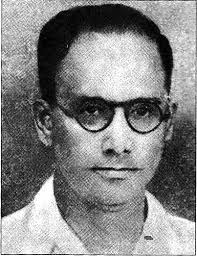
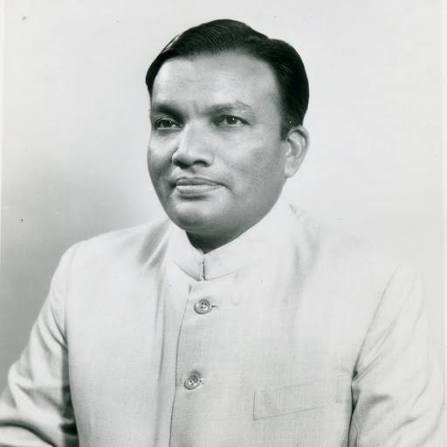
G. A. Vadivelu was born on 12 June 1925 in Gollahalli, in the present-day Dharmapuri district. From a young age, he developed a strong sense of patriotism and social responsibility.
He pursued his schooling at Dharmapuri High School. However, inspired by the growing national movement against British rule, he discontinued his studies to participate actively in the struggle for India’s independence.
Education & Skills
Although G. A. Vadivelu did not complete formal higher education, he possessed remarkable skills that made him an influential public figure:
- Strong leadership and organizational abilities.
- Excellent oratory and communication skills.
- Expertise in social activism and grassroots mobilization.
- Talent in journalism and editorial work.
- Extensive knowledge of Tamil history and society.
- Commitment to Gandhian principles of service and simplicity.
His lifelong dedication to public welfare reflected both intellectual depth and practical wisdom.
Contribution to Tamil Literature
G. A. Vadivelu made noteworthy contributions to Tamil literary and journalistic fields.
Major Contributions:
- Served as the editor of journals such as Janata, Samudhayam, and Pudhu Vazhvu.
- Published articles in leading Tamil magazines and newspapers, including Dinamani and Dinamalar.
- Authored approximately 30 books covering history, social issues, and public affairs.
- Wrote the historical novel Sembiyar Thilagam, which received recognition as one of the best Tamil books published during 1985–1986.
- Conducted research on lesser-known periods of Tamil history, helping to expand historical understanding among Tamil readers.
Through his writings, he combined literary expression with social awareness and historical inquiry.
Role in India’s Freedom Movement
G. A. Vadivelu played an active role in India’s freedom struggle from an early age.
At just 15 years old, he joined the Indian National Congress and participated in the Individual Satyagraha and the Quit India Movement. His involvement led to imprisonment in Palayamkottai Jail.
Even after India gained independence in 1947, Vadivelu continued his efforts by participating in the movement to liberate Puducherry from French colonial rule.
Later, he worked closely with prominent leaders such as Jayaprakash Narayan, advocating for the welfare of marginalized communities. Throughout his life, he remained committed to social justice and democratic values.
Key Contributions to Public Service:
- Participated in the 1940 Individual Satyagraha.
- Took part in the 1942 Quit India Movement.
- Endured imprisonment for his nationalist activities.
- Joined the Puducherry freedom movement against French rule.
- Worked for land rights and housing for disadvantaged communities.
- Continued social activism even after independence.
Personal Life
G. A. Vadivelu led a simple life rooted in Gandhian ideals. He dedicated himself to the upliftment of the poor and marginalized sections of society.
He maintained close associations with several national leaders, including Mahatma Gandhi, C. Rajagopalachari, K. Kamaraj, and Jayaprakash Narayan.
Following independence, he remained active in public life through socialist movements and political organizations while continuing his service to ordinary people.
Death
G. A. Vadivelu passed away on 13 January 2016 in Salem at the age of 90 after a period of illness. His passing marked the loss of a dedicated freedom fighter, writer, and social reformer.
Conclusion
G. A. Vadivelu’s life exemplifies patriotism, perseverance, and public service. From sacrificing his education to participate in the freedom movement to championing the rights of the underprivileged in independent India, he remained steadfast in his commitment to social justice.
His contributions to India’s freedom struggle, Tamil journalism and literature, and community welfare have secured him a respected place in Tamil Nadu’s history. G. A. Vadivelu continues to be remembered as a freedom fighter, author, journalist, and humanitarian whose life was devoted to the service of society.
About the Author