

1. Introduction
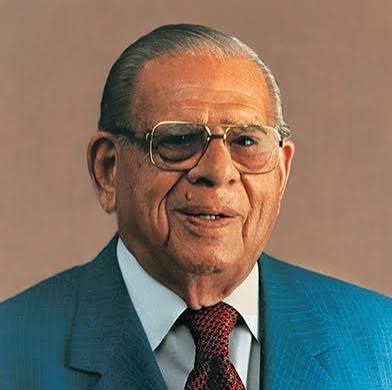
Rai Bahadur Mohan Singh Oberoi, universally celebrated as the father of modern Indian hoteliering, rose from humble beginnings as a low-paid front desk clerk to build one of the world’s most prestigious luxury hotel chains—Oberoi Hotels & Resorts. His life story is a masterclass in grit, visionary thinking, and an unwavering commitment to luxury and service excellence.
2. Quick Facts
- Full Name: Mohan Singh Oberoi (Rai Bahadur M.S. Oberoi)
- Native Name: ମୋହନ ସିଘ୍ ଓବରୋଇ (or මෝහන් සිං ඕබරෝයි in common South Asian scripts) / ਮੋਹਨ ਸਿੰਘ ਓਬਰਾਏ
- Date of Birth: August 15, 1898
- Place of Birth: Bhaun, Jhelum District, Punjab, British India (now Pakistan)
- Nationality: Indian
- Occupation / Profession: Hotelier, Entrepreneur, and Politician
- Field of Achievement: Hospitality, Tourism, and Business Management
- Years Active: 1922–2002
3. Award Information (Focus: Padma Bhushan)
- Award Name: Padma Bhushan
- Award Category: India’s Third-Highest Civilian Award
- Award Year: 2001
- Presented By: K. R. Narayanan (President of India)
- Date of Ceremony: March/April 2001
- Citation / Official Reason: For pioneering and extraordinary contributions to the development of India’s tourism, hospitality sector, and corporate leadership.
- Previous Recipients (2000): Prominent figures in literature, science, and public service.
- Next Recipients (2002): Acharya Ramamurthi, Gangubai Hangal, K. G. Subramanyan, and others.
4. Why Did He Receive the Award?
M.S. Oberoi was honored with the Padma Bhushan for transforming the landscape of Indian hospitality. He put India on the global luxury tourism map, introduced international quality standards, created employment for thousands, and founded the Oberoi Centre for Learning and Development, which changed how professional hospitality education was delivered in Asia.
5. Early Life
Born in a small village in undivided Punjab, Oberoi faced tragedy early in life when his father passed away when he was barely six months old. Despite financial hardships, he completed his early education in Rawalpindi and intermediate studies in Lahore. When a plague epidemic struck Punjab in 1922, he moved to Shimla to seek a livelihood, carrying little more than ambition and a willingness to work hard.
6. Education
Oberoi completed his schooling in Rawalpindi and went to Lahore for college. Due to a lack of finances, he could not complete a full university degree. Instead, he swiftly adapted by learning practical skills like typing and shorthand, which paved his way into corporate offices and eventually into the hotel industry.
7. Career Journey
Oberoi started his career in 1922 as a front desk billing clerk at The Cecil Hotel in Shimla, earning a modest salary of 50 rupees a month. Noticing his immense dedication, the hotel manager, Ernest Clarke, later brought him over to manage the Carlton Hotel (renamed Clarkes Hotel). In 1934, Oberoi mortgaged his wife’s jewelry to buy Clarkes Hotel—marking the birth of the Oberoi Group. He went on to acquire the iconic Grand Hotel in Calcutta during a downturn, turned it around by accommodating British troops during WWII, and eventually gained a controlling stake in Associated Hotels of India (AHI). He continued expanding globally throughout his life.
8. Major Achievements
- Father of Modern Indian Hoteliering: Built a global luxury empire encompassing dozens of five-star properties across multiple continents.
- Pioneer of Firsts: Opened India’s first modern five-star international hotel (Oberoi Intercontinental, Delhi, 1965) and introduced flight catering services in India (1959).
- Institution Builder: Established the prestigious Oberoi Centre for Learning and Development (OCLD) in 1966.
- Political Representation: Successfully served as a Member of Parliament in both the Rajya Sabha and the Lok Sabha.
9. Contribution to the Nation
M.S. Oberoi revolutionized the service economy of independent India. By elevating Indian hospitality to world-class standards, he attracted global travelers and foreign exchange into the country. He was also a pioneer in gender inclusivity, being the first major hotelier in India to systematically employ women across various verticals of the hospitality sector.
10. Other Awards and Honours
- Rai Bahadur Title: Conferred by the British Indian Government in 1943 for wartime services.
- Man of the World Award: Presented by the International Hotel Association (IHA), New York.
- Order of the Republic (First Class): Awarded by the President of Egypt.
- PHDCCI Millennium Award: 2000.
- Padma Bhushan: 2001.
11. Legacy and Influence
Oberoi’s legacy is carried forward by The Oberoi Group, which remains a gold standard for luxury hospitality worldwide. He lived to be a centenarian, passing away in May 2002 at the remarkable age of 103, having laid down an indelible blueprint for modern Indian entrepreneurship.
12. Interesting Facts
- The Jewelry Gamble: He purchased his very first hotel (Clarkes Hotel) in 1934 by staking everything he owned, including mortgaging his wife’s personal jewelry.
- Centenarian Status: He lived through an entire century of massive geopolitical shifts, actively advising his corporate group well into his late nineties.
- Global Recognition: In 1978, Newsweek magazine featured him among the elite global business winners of the era.
13. Quotes
“The idea was never merely to make money. The compulsion was to think big, always to offer the best. To get there, you have to dare to dream.”
— M. S. Oberoi
14. Timeline
- 1898: Born on August 15 in Bhaun, Punjab (now Pakistan).
- 1922: Starts working as a low-paid billing clerk at The Cecil Hotel, Shimla.
- 1934: Acquires Clarkes Hotel, founding the Oberoi hotel chain.
- 1943: Receives the title of Rai Bahadur and gains control of Associated Hotels of India.
- 1962 & 1968: Enters active politics, serving terms in the Rajya Sabha and Lok Sabha.
- 1966: Establishes the Oberoi School of Hotel Management.
- 2001: Conferred with the Padma Bhushan by the Government of India.
- 2002: Passes away on May 3 at the age of 103.
15. References
- Wikipedia – Mohan Singh Oberoi Profile & Archives.
- The Oberoi Group – Corporate History and Founder’s Documentation.
- EIH Associated Hotels – Founder Profiles and Heritage Notes.
- Rediff.com & The Hindu – Historical Business Retrospectives on M.S. Oberoi.
16. Related Personalities
- P. R. S. Oberoi (Bikki Oberoi): Legendary former chairman of The Oberoi Group and son of M.S. Oberoi.
- J.R.D. Tata: Iconic Indian industrialist and contemporary titan of Indian business.
- G.D. Birla: Pioneering Indian industrialist of the 20th century.
17. Frequently Asked Questions (FAQ)
Q1: Who was M.S. Oberoi? A: M.S. Oberoi was a legendary Indian hotelier and the founder of Oberoi Hotels & Resorts, widely acknowledged as the pioneer of modern luxury hospitality in India.
Q2: How did M.S. Oberoi start his career?A: He started as a humble front desk billing clerk at The Cecil Hotel in Shimla in 1922, earning just 50 rupees a month before working his way up to buy his first hotel in 1934.
Q3: What awards did M.S. Oberoi receive?A: He received the British title of Rai Bahadur (1943) and India’s prestigious Padma Bhushan civilian honor (2001), alongside numerous international accolades.
Q4: How long did M.S. Oberoi live?A: He lived an extraordinary life spanning over a century, passing away on May 3, 2002, at the age of 103.
About the Author




