

1. Introduction
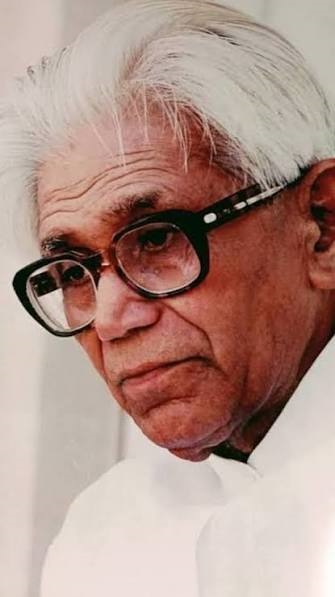
Dr. Shivmangal Singh ‘Suman’ (August 5, 1915 – November 27, 2002) was a preeminent Hindi poet, academician, and litterateur. Renowned for his deeply patriotic, humanistic, and progressive verses, he emerged as a leading voice of the Pragatisheel (Progressive) movement in Hindi literature. His poetry resonates with an unyielding spirit of resilience, social justice, and national pride, making him one of the most celebrated literary figures of 20th-century India.
2. Quick Facts
- Full Name: Dr. Shivmangal Singh ‘Suman’
- Native Name: शिवमंगल सिंह ‘सुमन’ (Hindi)
- Date of Birth: August 5, 1915
- Place of Birth: Jagatpur village, Unnao district, Uttar Pradesh, British India
- Nationality: Indian
- Occupation / Profession: Poet, Academician, Professor, Vice-Chancellor
- Field of Achievement: Hindi Literature, Poetry, Education
- Years Active: c. 1930s – 2002
3. Award Information (Focus: Padma Shri & Padma Bhushan)
- Award Name: Padma Shri (1974) & Padma Bhushan (1999)
- Award Category: Literature and Education
- Award Year: 1974 (Padma Shri), 1999 (Padma Bhushan)
- Presented By: Government of India (President of India)
- Date of Ceremony: Traditional Rashtrapati Bhavan investiture ceremonies
- Citation / Official Reason: In recognition of his exceptional contributions to Hindi poetry, literary enrichment, and decades of distinguished academic service.
- Previous / Next Recipients: Distinguished Indian authors, poets, and public intellectuals of respective years.
4. Why Did He Receive the Award?
Dr. Suman received India’s prestigious civilian honors for enriching the cultural and literary fabric of the nation. His stirring poetry captured the struggles, hopes, and indomitable courage of the Indian people during freedom movements and post-independence nation-building, while his academic leadership helped shape generations of scholars.
5. Early Life
Born into a modest Rajput family in Unnao, Uttar Pradesh, Shivmangal Singh spent his early formative years facing financial hardships. Despite these challenges, he displayed an exceptional aptitude for languages and literature, nurturing a deep passion for verse that would define his entire life.
6. Education
- Completed his primary and secondary schooling locally.
- Pursued higher education at Banaras Hindu University (BHU), earning a Master of Arts (M.A.) in Hindi.
- Achieved a doctorate (Ph.D.) in Hindi literature from BHU in 1942, establishing a strong foundation for his academic and literary career.
7. Career Journey
- Academic Beginnings: Taught at various institutions before joining Vikram University in Ujjain, Madhya Pradesh.
- Administrative Leadership: Served as the Vice-Chancellor of Vikram University for many years, where he championed progressive educational policies.
- Cultural Diplomacy: Visited the Soviet Union and other countries as part of cultural delegations, fostering international literary ties.
- Literary Institution Building: Actively associated with top-tier bodies like the Sahitya Akademi and Madhya Pradesh Hindi Granth Akademi.
8. Major Achievements
- Renowned Poetry Collections: Published landmark poetic works including Hilli-Hollas, Pralay Srijan, Vishwa Badal, Vindhya Himalayas, Mati ki Baraat, and Parakh.
- Sahitya Akademi Award (1974): Won the prestigious Sahitya Akademi Award for his critically acclaimed poetry collection Mati ki Baraat.
- D.Lit. Honor: Conferred with honorary Doctor of Letters (D.Lit.) degrees by multiple premier universities.
9. Contribution to the Nation
Dr. Suman’s poetry served as a moral compass for the nation. His verses championed the underdog, fought against social inequality, and celebrated human grit. During periods of national crisis and war, his poems served to unify and inspire the country, reinforcing values of courage and perseverance.
10. Other Awards and Honours
- Padma Shri (1974) from the Government of India.
- Sahitya Akademi Award (1974) for Mati ki Baraat.
- Padma Bhushan (1999) for literature and education.
- Shikhar Samman (highest literary honor by the Government of Madhya Pradesh).
11. Legacy and Influence
Dr. Suman is remembered as a titan of modern Hindi poetry, bridging the gap between classical structural beauty and progressive social realism. His poems—such as “Pratigya” and “Hum Nahin Jhukenge”—remain staples in school textbooks across India, inspiring students with themes of unyielding resolve and dignity.
12. Interesting Facts
- The Pen Name ‘Suman’: He adopted the pen name Suman (meaning flower) early in his writing career, contrasting the delicate imagery of his pen name with the fierce, revolutionary power of his core themes.
- Close Association with Top Leaders: He shared warm, respectful intellectual relationships with national icons like Jawaharlal Nehru and Atal Bihari Vajpayee, the latter of whom was also an admirer of his poetry.
13. Quotes
“विश्वास की ‘समर-भूमि’ में भय क्या, संघर्ष कैसा?”
(Translation: “In the battlefield of conviction, what is fear, what is struggle?”)
14. Timeline
- 1915: Born on August 5 in Unnao, Uttar Pradesh
- 1942: Completed his Ph.D. from Banaras Hindu University
- 1974: Awarded the Padma Shri and the Sahitya Akademi Award for Mati ki Baraat
- 1999: Conferred with the Padma Bhushan by the President of India
- November 27, 2002: Passed away in Ujjain, Madhya Pradesh, leaving behind an immortal literary legacy
15. References
- Sahitya Akademi Official Records & Award Archives
- Ministry of Home Affairs, Government of India — Padma Awards Directory
- Hindi Sahitya ka Itihas and academic biographical anthologies of modern poets
16. Related Personalities
- Mahadevi Verma (Prominent contemporary Chhayavadi poet)
- Harivansh Rai Bachchan (Legendary contemporary Hindi poet)
- Atal Bihari Vajpayee (Statesman and noted Hindi poet)
17. Frequently Asked Questions (FAQ)
- Q: Who was Shivmangal Singh ‘Suman’?
- A: He was a legendary 20th-century Hindi poet, academician, and Vice-Chancellor known for his progressive and patriotic literary works.
- Q: What is his most famous literary work?
- A: His poetry collection Mati ki Baraat, which won the Sahitya Akademi Award in 1974, is among his most celebrated works.
- Q: What civilian awards did he receive?
- A: He was honored with the Padma Shri in 1974 and the Padma Bhushan in 1999.
About the Author




