

1. Introduction
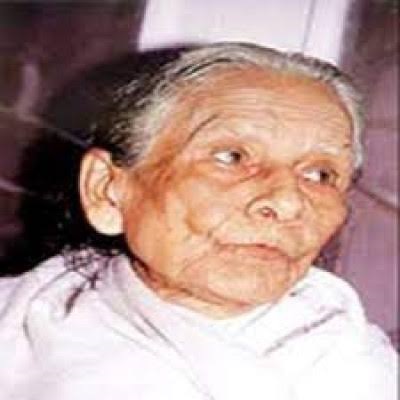
Pushpalata Das (27 March 1915 – 9 November 2003) was a trailblazing freedom fighter, ardent Gandhian, social reformer, and visionary legislator from Assam. A fearless leader who dedicated her life to India’s independence movement and the empowerment of women, she mobilized the masses across the Northeast against British colonial rule. From organizing the legendary Mrityu Bahini (Death Squad) to serving as a Member of Parliament in the Rajya Sabha, her uncompromising courage, social commitment, and state-building efforts cemented her legacy as one of modern India’s most respected public figures.
2. Quick Facts
- Full Name: Pushpalata Das
- Native Name: পুষ্পলতা দাস (Assamese)
- Date of Birth: 27 March 1915
- Place of Birth: North Lakhimpur, Assam, British India
- Nationality: Indian
- Occupation / Profession: Freedom Fighter, Social Worker, Politician, Editor
- Field of Achievement: Indian Independence Movement, Women’s Empowerment, Rural Development
- Years Active: 1930s–2003
3. Award Information (Padma Bhushan)
- Award Name: Padma Bhushan
- Award Category: Social Work / Public Affairs (Third-highest civilian award in India)
- Award Year: 1999
- Presented By: The President of India
- Date of Ceremony: March/April 1999 (Rashtrapati Bhavan, New Delhi)
- Citation / Official Reason: In recognition of her invaluable services, extraordinary contributions to society, and lifelong dedication to social welfare and nation-building.
- Previous Recipients (Contextual): Renowned social workers, freedom fighters, and nation-builders.
- Next Recipients: Succeeding national luminaries in social service and public affairs.
4. Why She Received the Award
Pushpalata Das received the Padma Bhushan because of her monumental role in India’s freedom struggle and her decades-long post-independence crusade for women’s rights, rural upliftment, and Gandhian ideals. As a young student leader who faced expulsion for protesting the execution of Bhagat Singh, and later as the architect of grassroots volunteer corps like Shanti Bahini and Mrityu Bahini during the Quit India Movement, she demonstrated extraordinary selflessness. Her later work heading the Kasturba Gandhi National Memorial Trust transformed rural healthcare and education for women in Assam.
5. Early Life
Born on March 27, 1915, in North Lakhimpur, Assam, into a cultured family, Pushpalata Das displayed exceptional leadership qualities from a very young age. Growing up during the peak of the Indian independence movement, she was deeply inspired by Mahatma Gandhi’s call for self-reliance and civil disobedience. At just 15 years old, she joined underground youth groups, setting the stage for a lifetime of political activism and resistance against imperial rule.
6. Education
- Early Schooling: Studied at Panbazar Girls’ High School in Guwahati, from which she was expelled in 1930 for organizing protests mourning Bhagat Singh’s execution.
- Higher Education: Continued her studies privately, completing her Intermediate education from Banaras Hindu University (BHU).
- Graduate Studies: Earned her Bachelor’s and Master’s degrees in Political Science from Andhra University in 1938.
- Legal Studies: Enrolled at Earle Law College, Guwahati, though her legal studies were interrupted by her imprisonment during the Individual Satyagraha.
7. Career Journey
- Early Activism & Underground Networks: Founded youth bodies like Mukti Sangha and organized women’s wings for the Congress party in Assam.
- National Planning Committee: Worked closely in Mumbai with national leaders like Mridula Sarabhai and Vijaya Lakshmi Pandit on the Women’s Sub-Committee.
- Parliamentary Career: Served as a nominated Member of the Rajya Sabha representing Assam from 1951 to 1961, actively contributing to national legislative debates.
- State Legislature: Elected as a Member of the Assam Legislative Assembly (MLA) from the Dhekiajuli constituency between 1967 and 1972.
- Social & Editorial Roles: Edited the progressive Assamese literary magazine Jayanti and led the Assam branch of the Kasturba Gandhi National Memorial Trust.
8. Major Achievements
- Founding the Mrityu Bahini: Organized a fearless volunteer death squad during the 1942 Quit India Movement that bravely challenged British authority and marched to hoist the tricolour flag at local police stations.
- Safeguarding Assam’s Territorial Integrity: Played a vital diplomatic and political role during the Cabinet Mission Plan era, successfully opposing proposals to group Assam with East Pakistan, thereby preserving the state’s distinct political identity.
- Padma Bhushan (1999): Conferred India’s third-highest civilian honor by the President of India.
9. Contribution to the Nation
Pushpalata Das anchored the freedom struggle in Northeast India, ensuring that women played an active, front-line role rather than remaining passive observers. After independence, she worked tirelessly for national integration, linguistic harmony, and rural reconstruction. Her leadership in the Bhoodan and Gramdan movements, alongside her promotion of Khadi and village industries, provided economic self-reliance to countless marginalized families in Assam.
10. Other Awards and Honours
- Padma Bhushan (1999): Conferred by the Government of India.
- Tamrapatra Freedom Fighter Award: Honored by the Government of India (though she famously declined it, stating that serving the nation was her bounded duty rather than a pursuit for formal state recognition).
- State Civic Honors: Recognized widely across Assam and West Bengal for her lifelong contributions to literature, women’s welfare, and public service.
11. Legacy and Influence
Pushpalata Das is remembered as the “Iron Lady of Assam”—a symbol of uncompromising integrity, courage, and Gandhian simplicity. Her life proved that grassroots mobilization backed by moral clarity could shake the foundations of an empire. Her memoirs and historical contributions remain an essential chapter in the documentation of women’s participation in India’s freedom struggle.
12. Interesting Facts
- The Blood-Signed Pledge: As a teenager, she and her peers signed their pledge to the Mukti Sangha using their own blood, symbolizing absolute dedication to India’s freedom.
- Partnership in Freedom: She was married in 1942 to Lokanayak Omeo Kumar Das, a towering freedom fighter and former cabinet minister of Assam, with whom she shared a lifelong partnership dedicated to Gandhian social reform.
- Peaceful Final Days: After a life defined by fierce public activism and later quiet social service, she passed away peacefully in her sleep at the age of 88 on November 9, 2003, in Kolkata.
13. Quotes
“Freedom is not merely the absence of foreign chains; it is the active creation of a just society where the weakest have a voice and the dignity of every citizen is preserved.” — Pushpalata Das
14. Timeline
- 1915: Born on March 27 in North Lakhimpur, Assam
- 1930: Expelled from school at age 15 for organizing protests against Bhagat Singh’s execution
- 1938: Completed graduation and post-graduation from Andhra University
- 1942: Married fellow freedom fighter Omeo Kumar Das; formed the Mrityu Bahini during the Quit India Movement
- 1951–1961: Served as a Member of Parliament in the Rajya Sabha
- 1967–1972: Served as an MLA in the Assam Legislative Assembly
- 1999: Conferred the Padma Bhushan by the Government of India
- 2003: Passed away on November 9 in Kolkata at the age of 88
15. References
- Wikipedia contributors. Pushpalata Das. Wikipedia, The Free Encyclopedia.
- Pathak, Guptajit. Assamese Women in Indian Independence Movement. Mittal Publications, 2008.
- The Telegraph. Pushpalata’s memories live on (Obituary archives).
- Assam Info. Pushpalata Das Biography – Freedom Fighter and Social Reformer.
16. Related Personalities
- Omeo Kumar Das: Prominent freedom fighter, close political collaborator, and husband of Pushpalata Das.
- Kanaklata Barua: Legendary teenage freedom fighter from Assam martyred during the 1942 Quit India movement processions.
17. Frequently Asked Questions (FAQ)
- Q: Who was Pushpalata Das?A: Pushpalata Das was a legendary Indian freedom fighter, Gandhian social reformer, and legislator from Assam who played a pivotal role in the Indian Independence movement.
- Q: What was her contribution to the Quit India Movement?A: She formed the Mrityu Bahini (Death Squad) and Shanti Bahini, leading grassroots volunteer groups that mobilized citizens and challenged British rule in Assam.
- Q: What major awards did she receive?A: She was honored with the Padma Bhushan in 1999 by the Government of India.
About the Author




