

1. Introduction
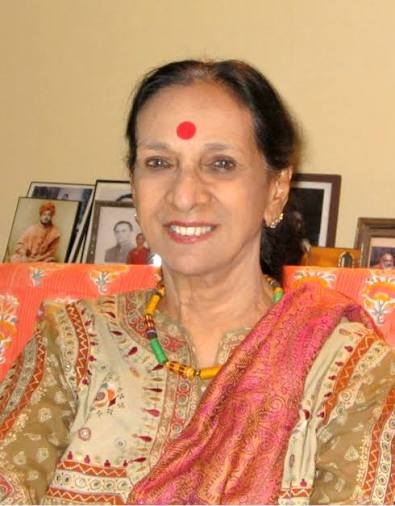
Mrinalini Sarabhai (1918–2016) was an iconic Indian classical dancer, choreographer, and visionary educator. Celebrated worldwide for her mastery over Bharatanatyam and Kathakali, she was among the first women to shatter traditional gender barriers by training in and performing the masculine art form of Kathakali. As the founder of the Darpana Academy of Performing Arts in Ahmedabad, she used dance not merely as an aesthetic medium, but as an instrument of social reform, education, and theatrical storytelling.
2. Quick Facts
- Full Name: Mrinalini Sarabhai
- Native Name: মৃণালিনী সারাভাই (Bengali)
- Date of Birth: May 11, 1918
- Place of Birth: Kerala, British India (grew up in Switzerland and South India)
- Date of Passing: January 21, 2016 (aged 97)
- Nationality: Indian
- Occupation/Profession: Classical Dancer, Choreographer, Author, Educator
- Field of Achievement: Bharatanatyam, Kathakali, and Contemporary Dance Theatre
- Years Active: 1930s to 2016
3. Award Information (Highlight: Padma Vibhushan)
- Award Name: Padma Vibhushan
- Award Category: India’s Second-Highest Civilian Honour
- Award Year: 1992
- Presented By: The President of India
- Citation/Official Reason: Conferred in recognition of her exceptional and distinguished service to the arts, her pioneering role in international cultural diplomacy, and her lifelong dedication to dance pedagogy.
- Other Major National & International Honours:
- Padma Shri (1965) – India’s fourth-highest civilian honor.
- Sangeet Natak Akademi Fellowship (Ratna Sadsya) (1994).
- French Legion of Honour (Ordre National de la Légion d’Honneur, 2006).
4. Why She Received the Award
Mrinalini Sarabhai earned India’s highest civilian distinctions because she transformed the landscape of Indian classical dance. By combining rigorous traditional training with modern theatrical themes, she tackled powerful social issues such as women’s rights, environmental consciousness, and untouchability through choreography. Furthermore, her establishment of the Darpana Academy in Ahmedabad fostered generations of world-class artists, bridging Indian traditions with global audiences.
5. Early Life
Born in Kerala into a prominent and politically active family, her father was the eminent barrister and freedom fighter Dr. S. Swaminathan, and her mother was Ammu Swaminathan, a freedom fighter and member of the Constituent Assembly of India. Her older sister was Captain Lakshmi Sahgal of the Indian National Army (INA). Because of her family’s nationalist involvement, Mrinalini spent her early years exposed to freedom struggles, progressive thought, and diverse artistic traditions across India and Europe (including studying at Dalcroze School in Switzerland).
6. Education
- Early Artistic Training: Studied Western classical ballet in Switzerland and trained under traditional masters in Santiniketan under the visionary guidance of Rabindranath Tagore, which deeply shaped her artistic worldview.
- Classical Imprinting: Trained extensively in Bharatanatyam under Meenakshi Sundaram Pillai and studied Kathakali under the legendary Guru Thakazhi Kunchu Kurup, breaking custom as one of the first women to master the rigorous martial art-dance form.
7. Career Journey
- Professional Debut: Performed her first major solo concert in the early 1940s, captivating audiences with her impeccable rhythm and emotive depth (abhinaya).
- Founding Darpana (1949): Alongside her husband, the legendary physicist Dr. Vikram Sarabhai, she established the Darpana Academy of Performing Arts in Ahmedabad, which grew into a renowned cultural sanctuary for dance, drama, puppetry, and music.
- Global Collaborations: Toured over 50 countries, performing before international heads of state, collaborating with Western ballet choreographers, and lecturing widely on Indian aesthetic philosophy.
8. Major Choreographies & Productions
Mrinalini Sarabhai choreographed over 300 dance dramas, tackling avant-garde subjects long before they became mainstream:
- Manasa (The Serpent Goddess) – Exploring ecological and mythological themes.
- The Song of Creation – Rooted in cosmic philosophy and quantum rhythm.
- Chandalika – Tagore’s classic tale addressing caste discrimination and human dignity.
- Memory is a Ragged Fragment of Eternity – A powerful contemporary piece exploring human suffering and resilience.
9. Contribution to the Nation
Mrinalini Sarabhai used the arts to build a progressive, secular, and culturally confident independent India. Through Darpana, she democratized access to the arts, training children from all social strata. Her contributions extended into literature, where she authored numerous children’s books, novels, poetry collections, and memoirs that captured the soul of Indian classical traditions.
10. Other Awards and Honours
- Gold Medal by the Mexican Government for her ballet choreography (1968).
- Diploma of the Italian Institute of Culture.
- Sangeet Natak Akademi Award for Bharatanatyam.
- Gujarat State Award and numerous civic felicitations for lifetime achievement in arts education.
11. Legacy and Influence
Her legacy lives on vibrantly through her children—her son Kartikeya Sarabhai and her daughter Mallika Sarabhai, a celebrated dancer, actor, and activist who continues to run the Darpana Academy. Mrinalini’s uncompromising commitment to artistic integrity, discipline, and social relevance remains a guiding beacon for performing artists globally.
12. Interesting Facts
- Breaking the Gender Glass Ceiling: Kathakali was historically performed exclusively by men. Mrinalini defied orthodox norms by insisting on rigorous training under master gurus to master its intense physical footwork and facial expressions.
- Scientific-Artistic Union: Her marriage to Dr. Vikram Sarabhai—the father of India’s space program—created a unique household where cutting-edge space science and classical art intersected daily.
- Centenarian Spirit: Active right up until her final years, she taught students, directed productions, and wrote passionately about the spiritual discipline of dance.
13. Quotes
“Dance is the movement of the universe condensed in an individual. It is the physical expression of the eternal rhythm within us.” — Mrinalini Sarabhai
14. Timeline
Birth in Kerala
May 11, 1918
Born to Dr. S. Swaminathan and Ammu Swaminathan, growing up in a politically and culturally active family.
Studies at Santiniketan
1930s
Trains under Rabindranath Tagore, shaping her progressive artistic philosophy.
Marriage to Vikram Sarabhai
1942
Marries the pioneering nuclear scientist and industrialist Vikram Sarabhai, settling in Ahmedabad.
Founds Darpana Academy
1949
Establishes the Darpana Academy of Performing Arts to foster classical and experimental arts.
Awarded Padma Shri
1965
Honored with India’s Padma Shri civilian award.
Awarded Padma Vibhushan
1992
Conferred India’s second-highest civilian honor by the President of India.
Passing in Ahmedabad
January 21, 2016
Passes away at the age of 97, leaving behind an immortal legacy in Indian dance.
15. References
- Official archives of the Darpana Academy of Performing Arts, Ahmedabad.
- Mrinalini Sarabhai, The Voice of the Heart: An Autobiography (HarperCollins).
- The Hindu and Indian Express historical cultural archives and memorial retrospectives.
16. Related Personalities
- Mallika Sarabhai (Renowned classical dancer, activist, and daughter)
- Dr. Vikram Sarabhai (Pioneering Indian scientist and husband)
- Rabindranath Tagore (Philosopher, poet, and early mentor at Santiniketan)
- Guru Thakazhi Kunchu Kurup (Legendary Kathakali guru)
17. Frequently Asked Questions (FAQ)
Q1: Who was Mrinalini Sarabhai?
A: Mrinalini Sarabhai was a legendary Indian classical dancer, choreographer, and founder of the Darpana Academy of Performing Arts, celebrated for her mastery of Bharatanatyam and Kathakali.
Q2: What were her major contributions to dance?
A: She broke traditional gender barriers by mastering the male-dominated Kathakali art form, choreographed over 300 socio-politically conscious dance dramas, and trained generations of dancers through Darpana.
Q3: What national and international awards did she receive?
A: She received the Padma Shri in 1965, the prestigious Padma Vibhushan in 1992, the French Legion of Honour in 2006, and the Sangeet Natak Akademi Fellowship in 1994.
About the Author




