

1. Introduction
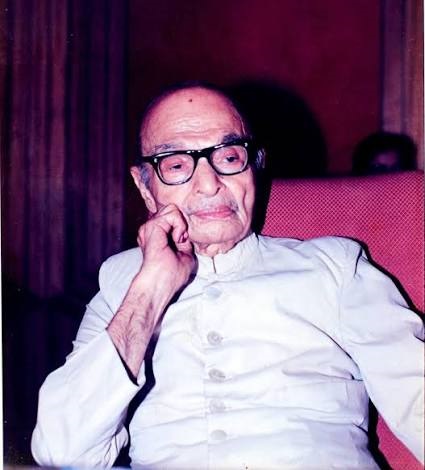
Hakim Abdul Hameed (1908–1999) was a towering Indian physician of the traditional Unani system of medicine, an extraordinary visionary educator, and a dedicated philanthropist. As the chief trustee of Hamdard Laboratories and the founding Chancellor of Jamia Hamdard, he devoted his life to modernizing traditional Eastern medicine, integrating it with contemporary scientific research, and establishing world-class educational and healthcare institutions. He was honored with the Padma Bhushan in 1992 for his remarkable contributions to medicine and public education.
2. Quick Facts
- Full Name: Hakim Abdul Hameed (Popularly known as Hakeem Sahib)
- Native Name: حکیم عبدالحمید (Urdu)
- Date of Birth: September 14, 1908
- Place of Birth: Delhi, British India
- Date of Death: July 22, 1999 (aged 90) in New Delhi, India
- Nationality: Indian
- Occupation / Profession: Unani Physician, Educationist, Philanthropist, Author
- Field of Achievement: Unani Medicine, Higher Education, Scientific Research, Institution Building
- Years Active: c. 1930s – 1990s
3. Award Information (Focus: Padma Bhushan)
- Award Name: Padma Bhushan
- Award Category: Civil Honour (India’s third-highest civilian award)
- Award Year: 1992 (Preceded by the Padma Shri in 1965)
- Presented By: The President of India
- Date of Ceremony: 1992
- Citation / Official Reason: For exceptional and distinguished service to the nation in the field of medicine, traditional healing arts, and educational institution building.
- Previous Recipients: Eminent medical researchers, educators, and nation-builders of India.
- Next Recipients: Succeeding national civilian honorees.
4. Why They Received the Award
Hakim Abdul Hameed received the Padma Bhushan in 1992 in recognition of his lifetime crusade to elevate Unani medicine from a traditional practice into a standardized, scientifically validated medical system. Through the expansion of Hamdard Laboratories as a public waqf (trust), the establishment of charitable hospitals, and the creation of prominent educational institutions like Jamia Hamdard, he profoundly shaped India’s healthcare and academic landscape.
5. Early Life
Born on September 14, 1908, in Delhi, Hakim Abdul Hameed came from a distinguished family of practitioners. His father, Hakim Hafiz Abdul Majeed, was the visionary founder of Hamdard (Wakf) Laboratories and the creator of the iconic herbal drink Rooh Afza. Following his father’s early passing, Hameed grew up under the disciplined guidance of his mother and older mentors, absorbing a deep ethos of charitable public service and traditional medicine.
6. Education
- Traditional Studies: Received rigorous foundational training in Arabic, Persian, Islamic studies, and traditional Eastern philosophy.
- Medical Training: Mastered the Unani-Tibbi system of medicine under expert traditional physicians, coupling classical texts with empirical clinical observation.
- Scientific Inquiry: Cultivated a lifelong commitment to validating traditional remedies through modern pharmacological and clinical research methods.
7. Career Journey
- Steward of Hamdard (1922–1999): Took charge of nurturing and expanding Hamdard Laboratories, converting the family business into a charitable waqf trust dedicated entirely to public welfare and medical research.
- Healthcare Expansion: Established the Majeedia Hospital (now part of HAH Centenary Hospital and Majeedia Hospital) to provide affordable, high-quality modern and Unani healthcare.
- Founder Chancellor of Jamia Hamdard: Spearheaded the creation of Jamia Hamdard in New Delhi, which was declared a deemed university in 1989, offering premier programs in pharmacy, medicine, nursing, and Islamic studies.
- Chancellor of AMU: Served as the Chancellor of Aligarh Muslim University (AMU) from 1996 to 1999.
- Cultural Patronage: Founded major cultural and academic bodies, including the Ghalib Academy in Delhi and the Hamdard National Foundation.
8. Major Achievements
- Scientific Modernization of Unani: Pioneered laboratory-based clinical research in Unani medicine, ensuring that traditional formulations met global scientific standards.
- Double National Honours: Honored with the Padma Shri (1965) and the Padma Bhushan (1992) by the Government of India.
- International Acclaim: Recipient of the prestigious Avicenna Award from the Soviet Union in 1983 and the IRCICA Award from Turkey for the preservation of Islamic heritage and medical scholarship.
- Prolific Author: Authored, edited, and published numerous authoritative books and research papers on medicine, history, and culture.
9. Contribution to the Nation
Hakim Abdul Hameed’s greatest contribution was anchoring traditional Indian medical systems into the mainstream of modern scientific inquiry and higher education. By ensuring that all profits from Hamdard Laboratories were funneled back into education, healthcare, and humanitarian relief through waqf trusts, he demonstrated an exemplary model of corporate social responsibility and institutional philanthropy decades before it became a modern standard.
10. Other Awards and Honours
- Padma Shri (1965) by the Government of India
- Padma Bhushan (1992) by the Government of India
- Avicenna Award (1983) by the USSR
- IRCICA Award (2000, posthumous/career recognition) from Istanbul, Turkey
- Fellowships and honorary memberships in leading national and international medical associations.
11. Legacy and Influence
Hakim Abdul Hameed is remembered as a titan of alternative medicine and a visionary educationist. Jamia Hamdard and the vast network of Hamdard educational and medical institutions stand as living testaments to his dream of blending moral values, scientific progress, and humanitarian service. His brother, Hakim Mohammed Said, carried forward a similar mission of Unani revival and philanthropy across the border in Pakistan.
12. Interesting Facts
- The Creator’s Son: He was the son of Hakim Hafiz Abdul Majeed, the legendary creator of Rooh Afza—the ruby-red cooling drink cherished across generations in South Asia.
- Waqf Philanthropy: Long before modern corporate philanthropy frameworks, he legally dedicated Hamdard as a public trust so that its revenues would perpetually fund hospitals, schools, and scholarships.
- Polymath Intellect: Beyond medicine, he possessed a profound grasp of history, literature, and Islamic jurisprudence, establishing research academies to preserve rare manuscripts and foster Urdu literature.
13. Quotes
“Our aim is to safeguard Hamdard from the vagaries of individuals and ensure that the welfare factor is never lost sight of, however adverse the circumstances.” — Hakim Abdul Hameed (Reflecting on the mission of Hamdard)
14. Timeline
- 1908: Born on September 14 in Delhi.
- 1948: Establishes the Hamdard Charitable Trust to institutionalize his philanthropic work.
- 1965: Conferred the Padma Shri by the Government of India.
- 1983: Awarded the international Avicenna Award.
- 1989: Jamia Hamdard achieves deemed-university status under his visionary leadership.
- 1992: Awarded India’s prestigious Padma Bhushan.
- 1996–1999: Serves as Chancellor of Aligarh Muslim University (AMU).
- 1999: Passes away on July 22 in New Delhi at the age of 90.
15. References
- Wikipedia contributors. “Hakim Abdul Hameed.” Wikipedia, The Free Encyclopedia.
- The Wire. “The Enduring Legacy of Hakeem Abdul Hameed” (September 2024 archives).
- Awaz The Voice. “Hakim Abdul Hameed: Visionary who turned medicine into a mission”.
- Ministry of Home Affairs, Government of India. “Padma Awards Directory”.
16. Related Personalities
- Hakim Hafiz Abdul Majeed: Founder of Hamdard and father of Hakim Abdul Hameed who formulated Rooh Afza.
- Hakim Mohammed Said: Prominent younger brother and scholar who led Hamdard Pakistan and advanced Eastern medicine.
- Avicenna (Ibn Sina): The legendary medieval polymath and physician whose medical treatises formed the cornerstone of the Unani system.
17. Frequently Asked Questions (FAQ)
Q1: Who was Hakim Abdul Hameed?
A: He was a legendary Indian Unani physician, educationist, and philanthropist who served as the chief trustee of Hamdard Laboratories and founded Jamia Hamdard University.
Q2: What major national awards did he receive?
A: He was honored twice by the Government of India: receiving the Padma Shri in 1965 and the Padma Bhushan in 1992.
Q3: What is his connection to Rooh Afza?
A: He was the son of Hakim Hafiz Abdul Majeed, the founder of Hamdard who invented the famous herbal drink Rooh Afza.
About the Author




