

1. Introduction
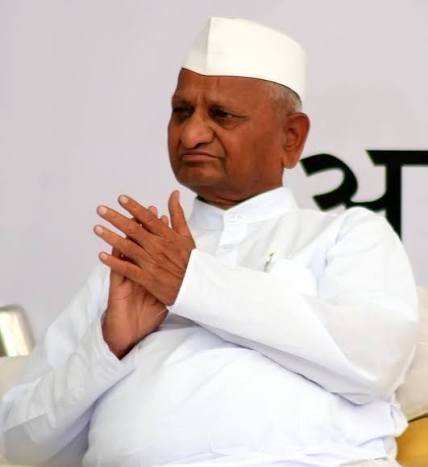
Kisan Baburao Hazare (born 1937), universally known as Anna Hazare, is a prominent Indian social activist, anti-corruption crusader, and Padma Bhushan recipient. He is internationally renowned for transforming his home village of Ralegan Siddhi into a model of sustainable rural development and for spearheading powerful pan-Indian anti-corruption movements, most notably the historic 2011 Jan Lokpal agitation that shook the political establishment.
2. Quick Facts
- Full Name: Kisan Baburao Hazare (Popularly known as Anna Hazare)
- Native Name: किसन બાબുराव हजारे (Marathi)
- Date of Birth: June 15, 1937
- Place of Birth: Bhingar, Ahmednagar district, Bombay Presidency, British India (now Maharashtra, India)
- Nationality: Indian
- Occupation / Profession: Social Activist, Rural Developer, Former Military Driver
- Field of Achievement: Grassroots Rural Reconstruction, Anti-Corruption Advocacy, Right to Information (RTI)
- Years Active: c. 1970s – Present
3. Award Information (Focus: Padma Bhushan)
- Award Name: Padma Bhushan
- Award Category: Civil Honour (India’s third-highest civilian award)
- Award Year: 1992 (Preceded by the Padma Shri in 1990)
- Presented By: The President of India
- Date of Ceremony: 1992
- Citation / Official Reason: For exceptional and distinguished service to the nation in social work, particularly for pioneering model village development, watershed management, and anti-corruption advocacy.
- Previous Recipients: Eminent social reformers, activists, and nation-builders of India.
- Next Recipients: Succeeding national civilian honorees.
4. Why They Received the Award
Anna Hazare received the Padma Bhushan in 1992 in recognition of his monumental success in transforming Ralegan Siddhi from an impoverished, drought-stricken hamlet into a self-reliant, ecologically sustainable model village. His grassroots approach to watershed development, prohibition, and social reform set a gold standard for rural empowerment in India.
5. Early Life
Born on June 15, 1937, in Bhingar, Hazare grew up amid immense financial hardship. Raised largely by his aunt in Mumbai after his family faced severe poverty, he took up odd jobs—including selling flowers on the streets of Dadar—to support his household. He later returned to Maharashtra, where his deep sense of duty eventually led him to join the Indian Army as a driver.
6. Education
- Schooling: Completed his early primary education up to the seventh standard in Ahmednagar.
- Military Training: Received rigorous technical and tactical training during his service in the Indian Army, where he served in transport corps and witnessed the harsh realities of war during the 1965 Indo-Pak conflict.
7. Career Journey
- Indian Army Service (1960–1975): Served as a driver in the Indian Army, surviving a close brush with death during the 1965 war when his vehicle was bombed. This narrow escape profoundly shifted his perspective toward spirituality and social service.
- Ralegan Siddhi Transformation (1975–Present): Returned to his native village in 1975, dedicating his life savings and full-time energy to eradicate poverty, alcoholism, and water scarcity through cooperative community action.
- Anti-Corruption Movements (1990s–2011): Led landmark campaigns in Maharashtra that forced the resignation of corrupt ministers and paved the way for the state and national Right to Information (RTI) Acts.
- India Against Corruption (2011): Spearheaded the nationwide anti-corruption movement demanding a robust Jan Lokpal Bill, mobilizing millions of citizens across India.
8. Major Achievements
- Ralegan Siddhi Model: Transformed a drought-prone, impoverished village into an eco-friendly, prosperous, self-sufficient community known globally for watershed management and social harmony.
- Double National Honours: Honored with the Padma Shri (1990) and the Padma Bhushan (1992) by the Government of India.
- Catalyst for the RTI Act: His sustained hunger strikes and agitations in Maharashtra laid the intellectual and political groundwork for transparency laws, directly influencing the enactment of India’s Right to Information Act (2005).
9. Contribution to the Nation
Anna Hazare redefined the role of civic activism in independent India. By demonstrating that grassroots development begins with local moral integrity and self-reliance, he showed how communities can lift themselves out of poverty. Nationally, his unyielding hunger strikes against systemic corruption awakened the political consciousness of India’s youth and middle class, cementing accountability as a core pillar of modern Indian democracy.
10. Other Awards and Honours
- Padma Shri (1990) by the Government of India
- Padma Bhushan (1992) by the Government of India
- Mahavir Award (1997) for public service
- Indira Priyadarshini Vrikshamitra Award (1989) for afforestation and environmental conservation
11. Legacy and Influence
Anna Hazare remains a towering symbol of Gandhian simplicity, moral authority, and non-violent resistance in contemporary India. Operating out of a small, ascetic room in the Sant Yadbaba temple in Ralegan Siddhi, he has inspired generations of citizens to demand transparency, challenge administrative apathy, and engage directly in nation-building.
12. Interesting Facts
- The Temple Dwelling: Despite his global fame and national recognition, Hazare has never owned a home or accumulated personal wealth, choosing to live a spartan, ascetic life inside a village temple room.
- Army Survival: During the 1965 Indo-Pak war, an enemy shell destroyed his entire army truck unit, and he was the sole survivor—an event that deeply inspired him to dedicate his remaining life to public service.
- Total Prohibition Pioneer: Long before government-mandated bans, he led a successful movement to ban liquor, tobacco, and gambling entirely within Ralegan Siddhi.
13. Quotes
“If you want to reform the nation, you must first reform yourself. True leadership is born out of selflessness, sacrifice, and an unshakeable commitment to truth.” — Anna Hazare
14. Timeline
- 1937: Born on June 15 in Bhingar, Maharashtra.
- 1960: Enlists in the Indian Army as a driver.
- 1975: Retires from the army and returns to Ralegan Siddhi to begin social reform work.
- 1990: Conferred the Padma Shri by the Government of India.
- 1992: Awarded India’s prestigious Padma Bhushan.
- 2005: Instrumental in the nationwide rollout of the Right to Information (RTI) Act.
- 2011: Leads the historic India Against Corruption movement and nationwide fast at Jantar Mantar and Ramlila Maidan in New Delhi.
15. References
- Wikipedia contributors. “Anna Hazare.” Wikipedia, The Free Encyclopedia.
- The Hindu. “Anna Hazare profile: The Gandhian crusader” (Archives).
- Ministry of Home Affairs, Government of India. “Padma Awards Directory”.
16. Related Personalities
- Mahatma Gandhi: The primary philosophical inspiration behind Hazare’s methods of fasting, non-violent satyagraha, and rural self-reliance.
- Arvind Kejriwal: Former activist colleague during the 2011 Jan Lokpal movement who later entered mainstream politics.
- Baba Amte: Legendary social activist known for his work with leprosy patients, whose Gandhian ideals influenced contemporary leaders like Hazare.
17. Frequently Asked Questions (FAQ)
Q1: Who is Anna Hazare?
A: He is a renowned Indian social activist and anti-corruption crusader famous for transforming his village, Ralegan Siddhi, and leading nationwide anti-corruption agitations.
Q2: What major national awards has he received?
A: He was awarded the Padma Shri in 1990 and the Padma Bhushan in 1992 by the Government of India.
Q3: What is Ralegan Siddhi known for?
A: Ralegan Siddhi is a model village in Maharashtra transformed by Hazare’s community-led watershed management, afforestation, prohibition, and sustainable development initiatives.
About the Author




