

1. Introduction
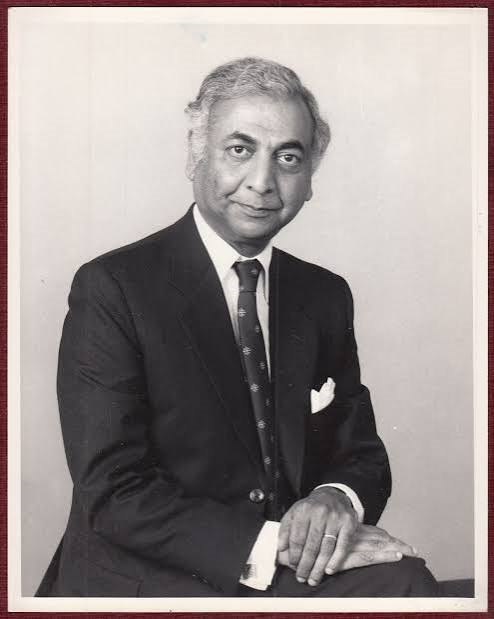
Virendra Dayal (born 1935) is a distinguished Indian civil servant, diplomat, and high-ranking international public official. Best known for his monumental service at the United Nations—where he served as the Chef de Cabinet to UN Secretaries-General Javier Pérez de Cuéllar and Boutros Boutros-Ghali—Dayal has had an extraordinary career spanning Indian public administration, global refugee relief, human rights advocacy, and national honors, culminating in the Padma Bhushan in 1992.
2. Quick Facts
- Full Name: Virendra Dayal
- Native Name: वीरेन्द्र दयाल (Hindi)
- Date of Birth: January 29, 1935
- Place of Birth: Allahabad district, United Provinces, British India (now Uttar Pradesh, India)
- Nationality: Indian
- Occupation / Profession: Retired Civil Servant, Diplomat, UN Official
- Field of Achievement: International Diplomacy, United Nations Administration, Human Rights
- Years Active: c. 1950s – 2000s
3. Award Information (Focus: Padma Bhushan)
- Award Name: Padma Bhushan
- Award Category: Civil Honour (India’s third-highest civilian award)
- Award Year: 1992
- Presented By: The President of India
- Date of Ceremony: 1992
- Citation / Official Reason: For exceptional and distinguished service to the nation and society in the fields of public affairs and international diplomacy.
- Previous Recipients: Prominent diplomats, civil servants, and nation-builders of India.
- Next Recipients: Succeeding national civilian honorees.
4. Why They Received the Award
Virendra Dayal received the Padma Bhushan in 1992 in recognition of his decades-long dedication to public service both within India and on the global stage. Through his high-profile diplomatic stewardship at the United Nations—particularly managing sensitive geopolitical crises and serving as Chef de Cabinet—he brought immense prestige to India as an exemplary global civil servant.
5. Early Life
Born on January 29, 1935, in Allahabad, Dayal grew up in an intellectually vibrant atmosphere during the twilight years of the British Raj. He received his early education at Sherwood College, Nainital, before moving to New Delhi for higher studies, cultivating a worldview shaped by post-independence nation-building and internationalism.
6. Education
- Schooling: Sherwood College, Nainital.
- Undergraduate Studies: Graduated from St. Stephen’s College, Delhi, in 1954.
- Postgraduate Studies: Secured his Master of Arts (MA) in History from St. Stephen’s College, Delhi, in 1956.
- Rhodes Scholar: Selected as a Rhodes Scholar in 1956, enabling him to pursue advanced studies at University College, University of Oxford, completing his tenure there in 1958.
7. Career Journey
- Indian Civil Service: Began his career as an officer in the Indian Administrative Service (IAS) / central civil services, serving in key administrative assignments, including as Director in the Ministry of Community Development and Cooperation until 1965.
- United Nations Career (1965–1993): Transitioned to the United Nations in 1965, serving across various capacities including high-profile roles within the UNHCR and handling major global humanitarian operations.
- Chef de Cabinet to the UN Secretary-General: Appointed as Chef de Cabinet and Under-Secretary-General, serving under UN Secretaries-General Javier Pérez de Cuéllar and Boutros Boutros-Ghali from 1982 to February 1993.
- National Human Rights Commission (NHRC): Served two terms as a Member of the National Human Rights Commission of India from 1998 to 2003.
8. Major Achievements
- Nobel Peace Prize Association: Part of the UNHCR focal point team that helped coordinate massive refugee relief efforts following the 1971 Bangladesh genocide—an initiative that contributed to the UN High Commissioner for Refugees winning the Nobel Peace Prize in 1981.
- Top UN Executive Role: Reached one of the highest administrative offices available to an international civil servant as Chef de Cabinet at the United Nations.
- Human Rights Advocacy: Shaped institutional human rights frameworks domestically during his tenure at India’s National Human Rights Commission.
9. Contribution to the Nation
Dayal bridged domestic public administration with elite international diplomacy. By representing India with exceptional competence, integrity, and intellect at the core of the United Nations system for nearly three decades, he enhanced India’s diplomatic standing globally. Post-retirement, his contributions to human rights through the NHRC directly strengthened civil liberties and institutional accountability in India.
10. Other Awards and Honours
- Padma Bhushan (1992) by the Government of India
- Association with the Nobel Peace Prize awarded to UNHCR (1981)
- Rhodes Scholarship (1956)
- Chairmanships and trusteeships across prominent philanthropic organizations, including the Inlaks Shivdasani Foundation and the Rajeshwar Susheela Dayal Charitable Trust.
11. Legacy and Influence
Virendra Dayal is remembered as an archetype of the classic, principled international civil servant. His deep-rooted administrative discipline, combined with a profound understanding of global geopolitics, allowed him to navigate some of the 20th century’s most intricate humanitarian and political crises within the UN framework with calm efficiency.
12. Interesting Facts
- Host to Literary Giants: In 1962, when Nobel laureate V. S. Naipaul and his wife Patricia visited India, it was Virendra Dayal who personally hosted the iconic couple.
- Oxford Roots: As a Rhodes Scholar at Oxford during the late 1950s, he joined an elite fraternity of globally influential thinkers from India.
- Decades at the UN: He dedicated nearly 30 unbroken years of service to the United Nations, working closely with multiple world leaders and Secretary-Generals.
13. Quotes
“The strength of an international institution lies not merely in its resolutions, but in the unyielding commitment of its civil servants to neutrality, human dignity, and peace.” — Virendra Dayal (Reflecting on international diplomacy)
14. Timeline
- 1935: Born on January 29 in Allahabad, Uttar Pradesh.
- 1956–1958: Attends Oxford University as a Rhodes Scholar.
- 1965: Moves from the Indian civil service to join the United Nations.
- 1981: Associated with the UNHCR team awarded the Nobel Peace Prize.
- 1982: Appointed Chef de Cabinet to the UN Secretary-General.
- 1992: Conferred India’s prestigious Padma Bhushan.
- 1993: Retires from active United Nations service.
- 1998–2003: Serves as a Member of the National Human Rights Commission (NHRC) of India.
15. References
- Wikipedia contributors. “Virendra Dayal.” Wikipedia, The Free Encyclopedia.
- United Nations Intellectual History Project (UNIHP). “Virendra Dayal Oral History Interview & Profile”.
- Indian Harmony Foundation (IHF). “Shri Virendra Dayal – Biography and Profile”.
- Ministry of Home Affairs, Government of India. “Padma Awards Directory”.
16. Related Personalities
- Javier Pérez de Cuéllar: UN Secretary-General under whom Dayal served closely as Chef de Cabinet.
- Boutros Boutros-Ghali: UN Secretary-General during Dayal’s final years at the United Nations.
- Shashi Tharoor: Prominent Indian author, diplomat, and former senior UN official of a similar international footprint.
17. Frequently Asked Questions (FAQ)
Q1: Who is Virendra Dayal?
A: He is a retired Indian civil servant and senior United Nations diplomat who famously served as Chef de Cabinet to UN Secretaries-General.
Q2: What major national award did he receive?
A: He was awarded the Padma Bhushan in 1992 by the Government of India for his distinguished public service.
Q3: What role did he play in the UN’s Nobel Peace Prize?
A: He was part of the UNHCR focal point team that managed the massive refugee crises stemming from the 1971 Bangladesh war, an effort that won the UN High Commissioner for Refugees the Nobel Peace Prize in 1981.
About the Author




