

1. Introduction
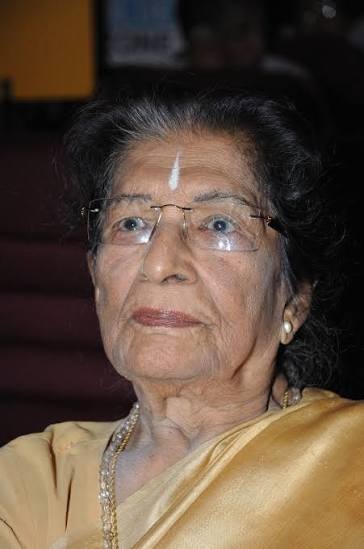
Amala Shankar was a legendary Indian dancer, choreographer, and artist who played a foundational role in shaping modern Indian classical and creative dance. As the wife and lifelong artistic partner of cultural icon Uday Shankar, she helped pioneer a unique dance style that blended classical Indian techniques with Western ballet and folk traditions.
2. Quick facts
- Full Name: Amala Shankar
- Native Name: অমলা শঙ্কর
- Date of birth: 27 June 1919
- Place Of birth: Jessore, British India (now Bangladesh)
- Nationality: Indian
- Occupation/ Profession: Dancer, Choreographer, Painter
- Field of Achievement: Creative and Classical Indian Dance
- Years Active: 1930s–2010s
3. Award Information
- Award Name: Padma Bhushan
- Award Category: India’s Third-Highest Civilian Award
- Award Year: 2011
- Presented By: President of India, Pratibha Patil
- Date of Ceremony: March 2011
- Citation/Official Reason: For distinguished service and contribution in the field of arts and classical dance.
- Previous Recipients (optional): Eminent artists, musicians, and public figures.
- Next Recipients: Subsequent stalwarts in arts and culture.
4. Why they Receive the award?
She received the Padma Bhushan and earlier state honours for her lifetime devotion to Indian dance and her monumental role in establishing the Uday Shankar India Culture Centre. Through decades of performance, choreography, and teaching, she preserved and propagated a revolutionary movement style that put Indian creative dance on the global map.
5. Early Life
Born Amala Nandi in Jessore, she grew up in an artistic and progressive family. In 1931, as a young girl of twelve, she traveled with her father to the International Colonial Exhibition in Paris, where she first met Uday Shankar. Captivated by his artistic vision, she joined his troupe, beginning a lifelong partnership in art and life.
6. Education
- Received her early schooling in art and literature in her hometown and Calcutta.
- Trained extensively under Uday Shankar, mastering rhythm, body kinetics, and innovative choreography that merged traditional temple sculptures with modern theatrical movement.
7. Carrier Journey
- 1930s: Toured Europe and the UK as a lead dancer in Uday Shankar’s pioneering cultural troupe, performing before international audiences.
- 1942: Married Uday Shankar; together they established the Uday Shankar India Culture Centre in Almora, Uttarakhand.
- 1948: Settled in Kolkata after the closure of the Almora center and continued training generations of dancers.
- 1965: Starred in the critically acclaimed Bengali film Kalpana, directed by and co-starring Uday Shankar, which showcased the philosophy of dance and art.
8. Major Achievements
- Co-created revolutionary dance ballets, including Labour and Machinery and Ram Leela, which brought socio-political commentary onto the classical dance stage.
- Mentored thousands of students at the South Calcutta Uday Shankar India Culture Centre.
- Conferred with the prestigious West Bengal government’s Banga Bibhushan award in 2011.
9. Contribution to the nation
Amala Shankar modernized Indian dance by breaking rigid classical boundaries while retaining the spiritual and aesthetic essence of the tradition. Her work elevated dance into a powerful medium of storytelling, social expression, and international cultural diplomacy.
10. Other Awards and Honours
- Padma Bhushan: 2011
- Banga Bibhushan: 2011
- Kalidas Samman: From the Government of Madhya Pradesh
- Sangeet Natak Akademi Tagore Award: 2012
11. Legacy and influence
Remembered as the matriarch of modern Indian dance, her artistic grace and resilience inspired generations. Her daughter, Mamata Shankar, is a renowned danseuse and actress who continues to carry forward her parents’ unique dance legacy through the Mamata Shankar Dance Company.
12. Interesting Facts
- She was an accomplished painter and held several successful exhibitions of her artwork well into her nineties.
- She walked the ramp at the Lakme Fashion Week in Kolkata at the age of 90, wearing a sari designed by her granddaughter.
- She maintained remarkable physical and mental agility throughout her long life, attributing her vitality to daily yoga and a lifelong passion for art.
13. Quotes
“Dance is not just movement of the limbs; it is the spontaneous expression of the soul reacting to the rhythm of the universe.” — Amala Shankar
14. Timeline
- 1919: Born on 27 June in Jessore
- 1931: Met Uday Shankar in Paris
- 1942: Married Uday Shankar and opened the Almora Culture Centre
- 1948: Relocated to Kolkata
- 2011: Conferred with the Padma Bhushan
- 2020: Passed away on 24 July in Kolkata at the age of 101
15. References
- Wikipedia: Amala Shankar biographical records
- Sangeet Natak Akademi archival archives
- Documentaries on the life and art of Uday and Amala Shankar
16. Related Personalities
- Uday Shankar (Husband and legendary dancer-choreographer)
- Mamata Shankar (Daughter and classical danseuse)
- Ravi Shankar (Brother-in-law and sitar maestro)
17. Frequently Asked Questions (FAQ)
- Q: Who was Amala Shankar?A: She was a pioneering Indian dancer, choreographer, and artist who helped shape modern creative dance in India alongside her husband Uday Shankar.
- Q: What is her contribution to Indian arts?A: She co-founded path-breaking dance institutions and performed globally, introducing innovative choreography that blended classical Indian traditions with modern theatrical elements.
- Q: Which major civilian award did she receive?A: She was awarded the Padma Bhushan in 2011 for her exceptional contributions to the field of arts.
About the Author




