Early Life and Education
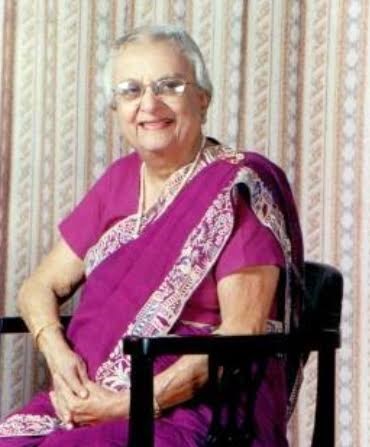
Sornathammal was born in 1916 in Madurai, in the erstwhile Madras Presidency (present-day Tamil Nadu). She grew up during a period of increasing nationalist sentiment and social reform movements across India.
Although detailed records regarding her formal education are limited, Sornathammal developed a strong awareness of social justice, equality, and patriotic values from an early age. She became actively involved in public life and dedicated herself to the cause of India’s independence.
Education & Skills
Despite the scarcity of documented information about her academic qualifications, Sornathammal demonstrated several remarkable qualities that enabled her to contribute effectively to the freedom struggle:
- Strong commitment to social reform and national service.
- Leadership abilities in organizing public demonstrations.
- Courage and resilience in the face of British repression.
- Dedication to Gandhian principles, including non-violence and self-reliance.
- Ability to mobilize and inspire women to participate in nationalist activities.
- Skill in promoting the use of khadi as a symbol of economic independence.
These attributes established her as one of Tamil Nadu’s notable women freedom fighters.
Contribution to Tamil Literature
Sornathammal was primarily a freedom fighter and social activist rather than a literary figure. Therefore, there are no major literary works directly attributed to her.
However, her contributions indirectly influenced Tamil society by:
- Inspiring writings on women’s participation in the independence movement.
- Encouraging social equality and women’s empowerment, themes later reflected in Tamil literature.
- Becoming a symbol of courage whose story continues to be documented in historical and educational works.
Her life itself remains an important part of Tamil Nadu’s historical narrative.
Role in India’s Freedom Movement
Sornathammal played an active role in India’s struggle for independence, particularly during the 1940s.
Temple Entry Movement
In 1939, she participated in campaigns supporting the entry of marginalized communities into the Madurai Meenakshi Amman Temple, advocating social equality and challenging caste discrimination.
Individual Satyagraha
She took part in Individual Satyagraha, inspired by the teachings of Mahatma Gandhi. As a result of her nationalist activities, she was imprisoned for three months in 1942. During her imprisonment, she spent time spinning khadi, reflecting her commitment to Gandhian ideals.
Quit India Movement
One of the most significant episodes in her life occurred during the Quit India Movement.
On 2 October 1942, Sornathammal and fellow freedom fighter Lakshmi Bai Ammal organized a women’s procession in Madurai, raising the slogan “Vellaiyane Veliyeru” (Quit India). The participants were arrested and subjected to severe mistreatment by colonial authorities. When they refused to sign apology letters promising not to participate in future protests, they were reportedly stripped and abandoned near Alagarkoil during the night. Despite this traumatic experience, Sornathammal remained steadfast in her commitment to the nationalist cause.
Promotion of Khadi
She actively promoted the use of khadi, considering it a powerful symbol of resistance against British economic domination.
Through her bravery and determination, Sornathammal became an inspiration for women participating in the freedom struggle.
Personal Life
Sornathammal led a life centered on service and sacrifice.
Important aspects of her personal life include:
- Deep faith in the principles of equality and justice.
- Active involvement in community welfare activities.
- Encouragement of women’s participation in public affairs.
- Commitment to Gandhian values of simplicity and self-discipline.
Despite facing imprisonment and humiliation under colonial rule, she never abandoned her dedication to India’s independence.
Death
Sornathammal passed away in 2007. Although she lived long after India attained independence, her contributions remained relatively unknown outside regional historical circles. In recent years, historians and scholars have increasingly recognized her sacrifices and efforts in the freedom movement.
Conclusion
Sornathammal was a courageous freedom fighter and social reformer whose contributions exemplify the important role women played in India’s struggle for independence. From participating in the Temple Entry Movement and Individual Satyagraha to leading protests during the Quit India Movement, she displayed extraordinary resilience and patriotism. Her willingness to endure imprisonment and humiliation for the nation’s freedom reflects her unwavering commitment to justice and equality. Although she may not be as widely remembered as some national leaders, Sornathammal’s legacy continues to inspire future generations to value courage, social responsibility, and the pursuit of a more inclusive society.
About the Author