

1. Introduction
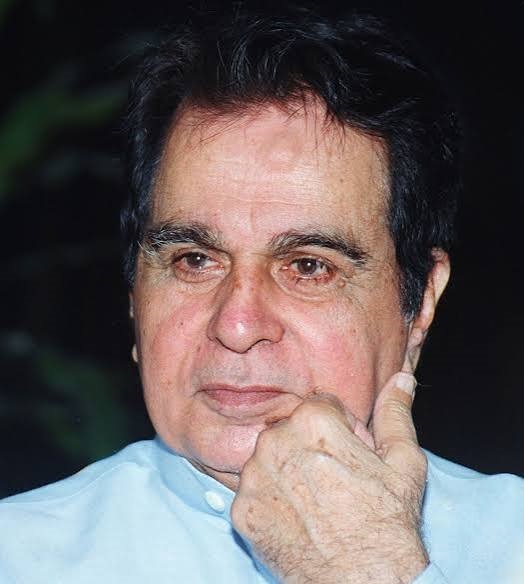
Popularly hailed as the “Tragedy King” of Bollywood and universally recognized as India’s ultimate pioneer of method acting, Dilip Kumar redefined cinematic performance. Over a career spanning five decades, he transitioned from a shy young fruit merchant’s son into an unmatched institution of acting. Generations of cinematic icons—from Amitabh Bachchan to Shah Rukh Khan—have looked up to him as the ultimate gold standard of emotional depth, grace, and dignity on screen.
2. Quick Facts
- Full Name: Muhammad Yusuf Khan
- Native Name: محمد یوسف خان (Urdu)
- Date of Birth: December 11, 1922
- Place of Birth: Peshawar, British India (now Khyber Pakhtunkhwa, Pakistan)
- Nationality: Indian
- Occupation / Profession: Actor, Producer, Politician
- Field of Achievement: Indian Cinema (Bollywood) / Method Acting
- Years Active: 1944–1998
3. Award Information (Focus: Padma Vibhushan)
- Award Name: Padma Vibhushan
- Award Category: India’s Second-Highest Civilian Honour
- Award Year: 2015
- Presented By: Government of India (Conferred by then-Home Minister Rajnath Singh at his residence due to health reasons)
- Date of Ceremony: December 13, 2015
- Citation / Official Reason: For exceptional and distinguished service to Indian cinema, art, and public life.
- Previous Recipients (Notable): Swami Ramdev, Manju Bhargava, Vinod Rai (in same/adjacent cycles)
- Next Recipients (Notable): Rajinikanth, Ram Nivas Mirdha, Jagmohan (in subsequent rounds)
4. Why He Received the Award
Dilip Kumar was awarded the Padma Vibhushan in 2015 to celebrate his monumental, life-defining contributions to the enrichment of Indian art and culture. The honor served as a nation’s tribute to a cinematic titan who single-handedly transformed acting from theatrical melodrama into nuanced, psychological realism, leaving behind a timeless blueprint for world cinema.
5. Early Life
Born as Muhammad Yusuf Khan into a Pashtun family of 12 children in Peshawar, his father, Lala Ghulam Sarwar Khan, was a fruit merchant and landlord. In the late 1930s, the family migrated to Mumbai (then Bombay). Young Yusuf grew up facing financial struggles and a strict parental atmosphere. After a minor altercation with his father, he left home for Pune, where he set up a dry fruit sandwich stall. It was here that a chance encounter with film actress Devika Rani (owner of Bombay Talkies) steered him toward an unexpected audition, leading to his entry into films.
6. Education
- Early Education: Attended the prestigious Khalsa College in Peshawar during his early years.
- Life Academy: Following his family’s move to Mumbai, he completed his high school education at St. Xavier’s School.
- Theatrical & Linguistic Training: Though he had no formal acting school background, he self-educated by reading vast amounts of English literature, studying world cinema, and meticulously mastering Urdu diction, cadence, and Hindustani classical nuances.
7. Career Journey
- The Debut: Debuted with Jwar Bhata in 1944 under Bombay Talkies, initially failing to make a major box-office splash.
- Stardom Breakthrough: Achieved massive nationwide stardom with the phenomenal success of Jugnu (1947) alongside Noor Jehan.
- The Tragedy King Era: Cemented his legacy in the late 1940s and 1950s with heavy, emotionally intense melodramas like Andaz, Devdas, Jogan, and Deedar, which eventually took a heavy toll on his mental health, prompting him to consult psychiatrists in London on advice to take up lighter roles (like Azaad and Kohinoor).
- Historical Epics: Delivered the most defining performance of Indian cinema as Prince Salim in K. Asif’s monumental historical epic Mughal-e-Azam (1960).
8. Major Achievements
- Filmfare Record: Won 8 Filmfare Awards for Best Actor—a record he held alone for decades and is tied only with Shah Rukh Khan.
- Guinness World Record: Formally recognized by the Guinness Book of World Records for winning the maximum number of major Indian acting awards.
- Dadasaheb Phalke Award: Conferred India’s highest cinema honor in 1994.
9. Contribution to the Nation
Beyond cinema, Dilip Kumar served as a dedicated philanthropist and civic figure. He acted as the Sheriff of Mumbai in 1980, utilizing his position for massive city-wide charity drives. He was later elected to the Rajya Sabha (Upper House of the Indian Parliament) from 2000 to 2006, where he heavily funneled his MPLADS funds into building public amenities, hospitals, and welfare infrastructure for marginalized communities.
10. Other Awards and Honours
- Padma Shri (1991)
- Padma Bhushan (1991)
- Nishan-e-Imtiaz (1998) – Pakistan’s highest civilian honor, making him one of the very few individuals to hold top honors from both India and Pakistan.
- NTRO / NTR National Award (1997)
- CNN-IBN Indian of the Year – Lifetime Achievement (2009)
11. Legacy and Influence
Dilip Kumar is credited as the creator of Method Acting in Indian cinema long before Hollywood names popularized the term. Instead of shouting dialogues, he internalized his characters, utilizing pauses, micro-expressions, silence, and eye movements to communicate complex grief and joy. Every major generation of actors—from Amitabh Bachchan to Shah Rukh Khan, Kamal Haasan, and Aamir Khan—has openly acknowledged him as their ultimate guru and inspiration.
12. Interesting Facts
- The Screen Name Change: Devika Rani suggested he change his name to “Dilip Kumar” upon entering films to protect his conservative family’s social standing and appeal to mainstream audiences.
- Refusing Mother India: He was originally slated to play the iconic role of Birju in Mother India (1957), but the role ultimately went to Sunil Dutt because Dilip Kumar had previously romance-starred opposite Nargis in real life, making their casting as mother-son look unconvincing.
- Polyglot Skills: He was fluent in multiple languages, including Urdu, Hindi, English, Punjabi, Pashto, Marathi, and even Persian.
13. Quotes
“I look back at my life with a sense of deep humility. Whatever I achieved was because of the unconditional love of my audience and the grace of God.”
“An actor’s job is not just to say lines, but to feel the heartbeat of the character hiding behind those words.”
14. Timeline
- 1922: Born as Muhammad Yusuf Khan in Peshawar on December 11.
- 1944: Makes his acting debut with Jwar Bhata.
- 1960: Stars in the historical magnum opus Mughal-e-Azam.
- 1966: Marries actress Saira Banu.
- 1991: Honored with the Padma Bhushan.
- 1994: Receives the Dadasaheb Phalke Award.
- 1998: Conferred Pakistan’s highest civilian award, Nishan-e-Imtiaz.
- 2015: Awarded the Padma Vibhushan.
- 2021: Passes away in Mumbai on July 7 at the age of 98.
15. References
- Encyclopædia Britannica – Dilip Kumar Biography
- Wikipedia – Dilip Kumar Profile
- National Film Archive of India (NFAI) Historical Archives
- Official Government Gazettes of India (Padma Award registries)
16. Related Personalities
- Saira Banu (Wife and veteran actress)
- Raj Kapoor (Lifelong close friend and legendary contemporary)
- Dev Anand (Golden-era contemporary actor)
- Madhoo / Madhubala (Frequent co-star and iconic contemporary screen presence)
- Shah Rukh Khan (Mentee and record-holder sharer)
17. Frequently Asked Questions (FAQ)
- Q: What was Dilip Kumar’s real name?A: His birth name was Muhammad Yusuf Khan.
- Q: Why was he called the “Tragedy King”?A: He earned the moniker due to his immensely powerful, poignant performances in tragic romance and drama films during the 1940s and 1950s (such as Devdas, Deedar, and Andaz).
- Q: How many Filmfare Awards did he win?A: He won 8 Filmfare Awards for Best Actor, a historic benchmark in Indian cinema.
- Q: Did Dilip Kumar receive awards from Pakistan as well?A: Yes, in 1998, he was honored with the Nishan-e-Imtiaz, Pakistan’s highest civilian decoration.
About the Author




