
Early Life and Education
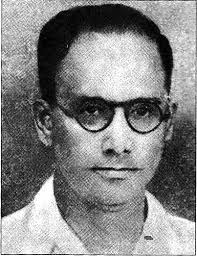
T. Rangachari (often referred to as Tiruvengadam Rangachari) was born in the late nineteenth century in the Madras Presidency. Although detailed records concerning his childhood remain limited, he belonged to a family that valued education and public service.
He received his early education in Madras Presidency and later pursued higher studies in law. His academic achievements enabled him to establish himself as a respected legal professional. Exposure to the political developments of colonial India encouraged him to participate actively in public affairs and constitutional politics.
Education & Skills
Educational Background
- Completed his early education in the Madras Presidency.
- Obtained a degree in Law and qualified as a legal practitioner.
- Continued to broaden his knowledge through involvement in legislative and political activities.
Skills and Expertise
T. Rangachari was recognized for several professional abilities, including:
- Legal expertise and analytical thinking.
- Strong public speaking and debating skills.
- Knowledge of constitutional and legislative matters.
- Administrative competence and organizational ability.
- Advocacy for political reforms and representative governance.
- Effective negotiation and leadership qualities.
These strengths contributed significantly to his reputation in legal and political circles.
Contribution to Tamil Literature
T. Rangachari was not primarily known as a Tamil literary figure. However, his public service indirectly supported the intellectual and cultural development of Tamil society.
His contributions included:
- Encouraging educational advancement among the people of the Madras Presidency.
- Supporting institutions that promoted learning and civic awareness.
- Delivering speeches that emphasized social responsibility and national consciousness.
- Advocating policies that strengthened public participation in governance, thereby fostering an environment conducive to cultural and intellectual growth.
Although he did not produce major literary works in Tamil, his efforts in public life contributed to the broader development of Tamil society during a transformative period in Indian history.
Role in India’s Freedom Movement
T. Rangachari belonged to the generation of leaders who sought constitutional reforms and greater Indian participation in administration before the achievement of complete independence.
Political Activities
- Associated with the early nationalist movement in the Madras Presidency.
- Participated in discussions concerning constitutional reforms and representative institutions.
- Advocated increased opportunities for Indians in legislative bodies and government services.
- Worked alongside other moderate leaders who believed in achieving political progress through lawful and constitutional means.
Legislative Contributions
As a public representative, he contributed to debates on issues affecting the welfare of Indian citizens, including:
- Expansion of educational opportunities,
- Improvement of administrative accountability,
- Greater Indian representation in governance, and
- Protection of public interests within the colonial framework.
While his methods differed from those of mass-movement leaders, his efforts formed an important part of the broader struggle that ultimately led to India’s independence.
Personal Life
T. Rangachari was respected for his professionalism, integrity, and commitment to public service.
He balanced his legal career with active participation in political affairs and remained dedicated to the welfare of society. Colleagues regarded him as a thoughtful and principled individual who approached public issues with diligence and fairness.
His personal values included:
- Commitment to justice,
- Respect for democratic processes,
- Dedication to education, and
- A sense of civic responsibility.
Despite his public prominence, he maintained a relatively private personal life.
Death
The exact details regarding T. Rangachari’s death are not widely documented in mainstream historical sources. Nevertheless, his contributions as a lawyer and public figure continue to be acknowledged in studies relating to the political development of the Madras Presidency.
Conclusion
T. Rangachari was among the educated Indian leaders who played an important role in the evolution of political consciousness in colonial South India. Through his work in the legal profession and public life, he contributed to the advancement of representative governance and civic participation.
His legacy includes:
- Distinguished service as a lawyer and legislator.
- Advocacy for constitutional reforms and responsible government.
- Promotion of education and public welfare.
- Participation in the early nationalist movement in the Madras Presidency.
- Demonstration of integrity and dedication in public service.
In conclusion, T. Rangachari represents the generation of moderate nationalist leaders whose constitutional efforts helped prepare India for democratic self-governance. Although less widely remembered today, his contributions remain an important chapter in the political history of Tamil Nadu and India’s journey toward independence.
About the Author