

1. Introduction
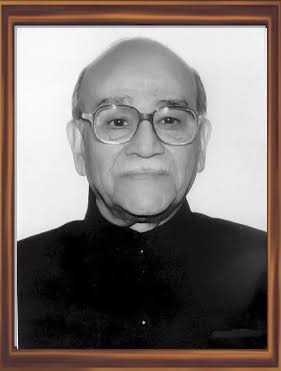
Professor B. Ramamurthi (fondly called “Prof. BRM” or “Chief”) dedicated over five decades of his life to alleviating human suffering through neurological precision and academic excellence. From performing complex brain procedures during the early days of medical instrumentation to founding premier neurological institutes and mentoring generations of surgeons, his career stands as a monumental pillar in the history of modern Indian medicine.
2. Quick facts
- Full Name: Balasubramaniam Ramamurthi
- Native Name: பாலசுப்பிரமணியம் ராமமூர்த்தி (Tamil) / बालसुब्रमण्यम राममूर्ति (Hindi)
- Date of birth: January 30, 1922
- Place Of birth: Sirkazhi, Thanjavur district, Tamil Nadu, British India
- Nationality: Indian
- Occupation/ Profession: Neurosurgeon, Medical Educator, Author, and Institutional Builder
- Field of Achievement: Neurosurgery and Neurological Sciences
- Years Active: 1940s – 2003
3. Award Information (Focus: Padma Bhushan)
- Award Name: Padma Bhushan
- Award Category: Civil Honour (Third Highest Civilian Award in India)
- Award Year: 1977
- Presented By: President of India
- Date of Ceremony: 1977 (Formal Investiture Ceremony at Rashtrapati Bhavan)
- Citation/Official Reason: Recognized for distinguished service and exceptional contributions to medicine, medical education, and neurosurgery.
- Previous Recipients: Eminent scientists, doctors, and public leaders from prior civilian award cycles.
- Next Recipients: Subsequent annual honorees of the Padma Bhushan.
4. Why they Receive the award?
Ramamurthi received the Padma Bhushan in 1977 (having previously been awarded the Padma Shri in 1972) in recognition of his pioneering work in establishing neurosurgery as an independent, elite specialty in India. His relentless dedication to founding specialized institutes, advancing stereotactic surgery, and serving both civilian populations and the armed forces earned him supreme national regard.
5. Early Life
Born in 1922 in Sirkazhi into a family with a rich lineage of public service and scholarship (his grand-uncle was G. Subramania Iyer, founder of The Hindu), Ramamurthi was deeply inspired by his father, a government medical doctor. Though he lost his mother at a young age, his innate academic brilliance shone brightly through his school and college years, setting the stage for a legendary medical trajectory.
6. Education
- St. Joseph’s College, Trichy: Completed his intermediate studies with top state ranks.
- Madras Medical College (MMC), Chennai: Earned his MBBS degree in 1943, winning the prestigious Johnstone Gold Medal as the best outgoing student.
- Master of Surgery (M.S.): Completed his post-graduation in general surgery at MMC in 1947.
- FRCS (Edinburgh): Acquired his fellowship in 1947 before traveling to the UK, Europe, and Montreal Neurological Institute (Canada) for specialized hands-on training in neurosurgery under world pioneers like Wilder Penfield.
7. Carrier Journey
- Assistant Surgeon & Pioneer (1950): Returned to India and joined Madras Medical College / Government General Hospital, officially setting up an exclusive department of neurosurgery.
- Founder-Director, Madras Institute of Neurology (MIN) (1970): Built and consolidated all neuroscience sub-specialties under one roof at the Government General Hospital, serving as Professor and Head until his official retirement in 1978.
- Founder, Achanta Lakshmipathi Neurosurgical Centre (ALNC) (1978–2003): Spent the final 25 years of his life establishing a premier private academic neurosurgical institute at the Voluntary Health Services (VHS) Hospital in Chennai.
- Global Leadership: Served as Vice-President of the World Federation of Neurosurgical Societies and was elected President of the World Congress of Neurological Surgery in 1989.
8. Major Achievements
- Establishment of the Madras Institute of Neurology: Created one of India’s earliest standalone centers of excellence for comprehensive neurological care and training.
- Pioneer of Stereotactic Surgery: Introduced minimally invasive stereotaxic procedures in India during the 1960s for movement disorders, epilepsy, and psychiatric conditions, gaining international acclaim.
- Founding the Neurological Society of India (NSI): Co-founded the NSI in 1951 along with peers like Dr. Jacob Chandy, serving as its first secretary and founding editor of its journal, Neurology India.
9. Contribution to the nation
Ramamurthi single-handedly laid down the institutional, academic, and clinical foundation of modern Indian neurosurgery. He established the country’s first specialized head-injury unit, helped draft guidelines for national medical examinations through the National Board of Examinations, and played an instrumental role in conceptualizing and setting up the apex National Brain Research Centre (NBRC) in Manesar.
10. Other Awards and Honours
- Padma Bhushan (1977) & Padma Shri (1972): Conferred by the Government of India.
- Dhanwantri Award: One of India’s highest honors for medical practitioners.
- Honorary Brigadier: Conferred by the Armed Forces of India in recognition of his extensive surgical services extended to military personnel.
- Sangeetha Kalanidhi-equivalent global recognitions in science: Fellow of the Indian National Science Academy (INSA), National Academy of Medical Sciences, and Royal Society of Medicine (London).
11. Legacy and influence
Prof. BRM is remembered affectionately by generations of students not just as a master surgeon with steady hands, but as an institutional architect who believed in empowering young minds. His autobiography, Uphill all the way (2000), captures the grit required to introduce advanced neurosurgery into a developing nation. His legacy lives on through the countless neurosurgeons he trained and the thriving research centers he left behind.
12. Interesting Facts
- Global Benchmark: During the mid-20th century, Indian neurosurgeons traveling abroad were frequently asked by Western counterparts if they belonged to “Ramamurthi’s school,” reflecting his towering international stature.
- Profound Philosophical Leanings: Aside from scalpel and science, he harbored a deep passion for Sanskrit literature, mathematics, Vedic philosophy, and the exploration of consciousness, often writing on the intersection of Eastern thought and modern neurology.
- Lifelong Operator: He remained actively engaged in clinical practice, teaching, and academic rounds well into his eighties, holding the title of world’s senior-most practicing neurosurgeon prior to his passing.
13. Quotes
“To reach the unreachable star, it is my quest to follow the star, no matter how hopeless, no matter how far.” — Prof. B. Ramamurthi (His favorite guiding quote)
14. Timeline
- 1922: Born on January 30 in Sirkazhi, Tamil Nadu
- 1943: Graduates with an MBBS from Madras Medical College, winning the Johnstone Gold Medal
- 1947: Completes his M.S. and secures his FRCS from Edinburgh
- 1950: Returns to India and establishes the Department of Neurosurgery at Madras General Hospital
- 1951: Co-founds the Neurological Society of India and launches Neurology India
- 1970: Founds the comprehensive Madras Institute of Neurology
- 1972: Conferred the Padma Shri by the Government of India
- 1977: Awarded the Padma Bhushan
- 1989: Serves as President of the World Congress of Neurological Surgery
- 2000: Publishes his autobiography, Uphill all the way
- 2003: Passes away on December 13, leaving an immortal legacy in Indian medicine
15. References
- Ramamurthi, B. Uphill all the way: An Autobiography. Voluntary Health Services, Chennai.
- Khosla, V. K. “Obituary: Prof. B. Ramamurthi (1922–2003).” Neurology India.
- National Board of Examinations & Alumni Association of Madras Medical College (MMC Archives).
- Wikipedia contributors. “Balasubramaniam Ramamurthi.” Wikipedia, The Free Encyclopedia.
16. Related Personalities
- Dr. Jacob Chandy: Pioneer of neurosurgery at Christian Medical College (CMC), Vellore, and co-founder of the Neurological Society of India.
- Dr. Wilder Penfield: Legendary Canadian neurosurgeon under whom Ramamurthi trained at the Montreal Neurological Institute.
- Dr. T. S. Kanaka: Asia’s first female neurosurgeon, trained extensively under Ramamurthi’s guidance.
17. Frequently Asked Questions (FAQ)
Q: Who was Dr. B. Ramamurthi?
A: Dr. B. Ramamurthi was India’s legendary neurosurgeon widely regarded as the “Father of Indian Neurosurgery” for setting up the country’s earliest specialized neurology departments and institutions.
Q: What are his main contributions to Indian medicine?
A: He established the Madras Institute of Neurology, pioneered stereotactic and minimally invasive brain surgeries in India, co-founded the Neurological Society of India, and helped shape post-graduate medical standards nationwide.
Q: What prestigious civilian honors did he receive?
A: He was decorated with both the Padma Shri (1972) and the Padma Bhushan (1977) by the Government of India.
About the Author