
1. Introduction
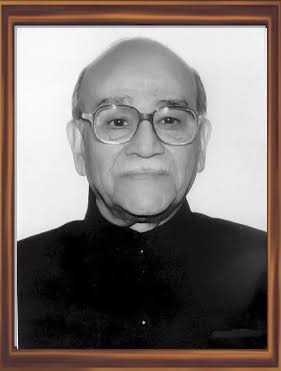
Padma Bhushan Devulapalli Venkata Krishnasastri (1897–1980) was a legendary Telugu poet, playwright, and translator, widely celebrated as the “Andhra Shelley”. He is hailed as one of the founding pillars of the Bhava Kavitwam (romantic poetry) movement in modern Telugu literature, known for infusing his lyrical writings with deep emotional expression, intense longing, and musical grace.
2. Quick facts
- Full Name: Devulapalli Venkata Krishnasastri
- Native Name: దేవులపల్లి వెంకట కృష్ణశాస్త్రి
- Date of birth: November 1, 1897
- Place Of birth: Ramachandrapalem, East Godavari district, Andhra Pradesh, India
- Nationality: Indian
- Occupation/ Profession: Poet, Playwright, Lyricist, Translator
- Field of Achievement: Telugu Literature and Cinema
- Years Active: 1920s – 1980
3. Award Information
- Award Name: Padma Bhushan
- Award Category: Civil Honor / Literature and Education
- Award Year: 1976
- Presented By: President of India
- Date of Ceremony: Annual Republic Day Investiture Ceremonies
- Citation/Official Reason: In recognition of his distinguished contributions to literature, poetry, and arts, enriching modern Indian cultural expression.
- Previous Recipients (optional): Prominent literary figures, thinkers, and artists.
- Next Recipients: Subsequent annual civilian awardees.
4. Why they Receive the award?
Krishnasastri received the Padma Bhushan for his revolutionary contributions to Telugu romantic poetry (Bhava Kavitwam), his profoundly moving lyrical compositions in cinema, and his lifelong dedication to enriching Indian literature and language.
5. Early Life
Born on November 1, 1897, in Ramachandrapalem (East Godavari district), Krishnasastri grew up in Pithapuram in a traditional family associated with local court poets. He developed a deep affinity for English romantic literature during his school days, which later heavily influenced his unique poetic expression in Telugu.
6. Education
- Early Education: Completed his foundational schooling in Pithapuram.
- Higher Studies: Pursued college education, building a strong command over Sanskrit, Telugu classics, and Western English literature, which helped him seamlessly blend classical nuances with modern romantic themes.
7. Carrier Journey
- Early Writing & Teaching: Began writing poetry at a young age and worked in educational assignments while anchoring the romantic literary shift in Andhra Pradesh.
- Santiniketan Influence (1929): Met Nobel laureate Rabindranath Tagore at Santiniketan, an experience that left a profound philosophical and artistic imprint on his style.
- All India Radio (1945): Joined All India Radio (AIR), Madras, as a producer/writer, creating pathbreaking radio plays and musical features.
- Cinema Lyricist: Ventured into Telugu cinema, penning some of the most enduring, poetic film songs in the history of Tollywood.
8. Major Achievements
- Krishna Paksham (1929): Published his iconic collection of romantic and elegy-style poems that redefined modern Telugu poetry.
- Sahitya Akademi Award (1978): Conferred for his exceptional literary collection (Andhra Vani / other major works).
- Kala Prapoorna (1975): Conferred the honorary doctorate title by Andhra University.
9. Contribution to the nation
Krishnasastri liberated Telugu poetry from rigid, archaic structures, introducing free-flowing rhythm, raw emotional vulnerability, and lyrical beauty. Through his work in All India Radio and films, he brought high-art poetry into the everyday cultural consciousness of millions, shaping the aesthetic vocabulary of generations of speakers and artists.
10. Other Awards and Honours
- Padma Bhushan (1976) – Conferred by the Government of India.
- Sahitya Akademi Award (1978) – Conferred by the Sahitya Akademi, New Delhi.
- Kala Prapoorna (1975) – Andhra University.
11. Legacy and influence
Remembered universally as the “Andhra Shelley,” Krishnasastri’s imprint on Telugu literature remains immortal. His film songs—such as Aakaasa Veedhilo (Malliswari, 1951) and compositions in Megha Sandesam—are celebrated as masterpieces of poetic imagery. He passed away on February 24, 1980.
12. Interesting Facts
- Despite losing his eyesight later in life, he continued to compose brilliant poetry and songs, dictating them effortlessly to assistants.
- His profound admiration for Shelley and Wordsworth directly inspired him to bring lyrical introspection and nature worship into Telugu verse.
- His association with classic films like Malliswari elevated cinematic songwriting to high literary art.
13. Quotes
“Poetry is not merely meter and rhyme; it is the silent cry of the soul, echoing the boundless sorrow and infinite beauty of the universe.”
14. Timeline
- 1897: Born on November 1 in Ramachandrapalem, Andhra Pradesh
- 1929: Published Krishna Paksham; visited Rabindranath Tagore at Santiniketan
- 1945: Joined All India Radio (AIR)
- 1951: Wrote timeless lyrics for the iconic film Malliswari
- 1975: Honored with the title Kala Prapoorna by Andhra University
- 1976: Conferred the Padma Bhushan by the Government of India
- 1978: Received the Sahitya Akademi Award
- 1980: Passed away on February 24
15. References
- Wikipedia: Devulapalli Krishnasastri
- Sahitya Akademi Award Archives
- Visalandhra Publishing House: Krishnasastri Sahityam
16. Related Personalities
- Rabindranath Tagore (Philosophical and artistic influence during his time at Santiniketan)
- Viswanatha Satyanarayana (Contemporary literary giant in Telugu)
- Bhanumathi Ramakrishna (Legendary actress and singer who brought his cinematic songs to life)
17. Frequently Asked Questions (FAQ)
Q: Who was Devulapalli Krishnasastri?
A: He was a celebrated Telugu poet, playwright, and lyricist known as the pioneer of the Bhava Kavitwam movement.
Q: What is Krishnasastri popularly known as?
A: He is widely known as the “Andhra Shelley” for his romanticism and lyrical depth.
Q: What major civil award did he receive?
A: He was awarded the Padma Bhushan by the Government of India in 1976.
About the Author