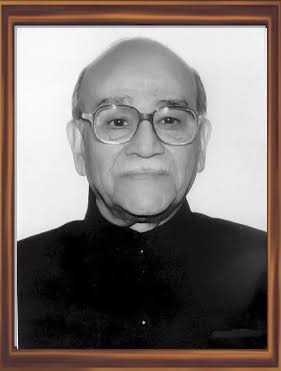

Hasmukh Dhirajlal Sankalia (1908–1989) was a pioneering Indian archaeologist and Sanskrit scholar who revolutionized the study of proto-historic and ancient Indian history. Often regarded as the father of modern Indian field archaeology, he shifted the discipline’s focus away from a mere treasure hunt for monumental architecture toward a scientific, multidisciplinary study of human settlement, culture, and environmental adaptation. Through systematic excavations at sites like Langhnaj, Nevasa, and Inamgaon, Sankalia fundamentally rewrote the timeline of India’s prehistoric past.
2. Quick Facts
- Full Name: Hasmukh Dhirajlal Sankalia
- Native Name: હસમુખ ধિirajlal સાંકળિયા (Gujarati)
- Date of Birth: December 10, 1908
- Place of Birth: Bombay (Mumbai), British India
- Nationality: Indian
- Occupation/Profession: Archaeologist, Sanskrit Scholar, University Professor
- Field of Achievement: Archaeology, Ancient Indian History, and Prehistory
- Years Active: 1930s – 1980s
3. Award Information (Focus: Padma Bhushan)
- Award Name: Padma Bhushan
- Award Category: Literature and Education
- Award Year: 1974
- Presented By: President of India
- Date of Ceremony: March/April 1974 (Official Republic Day honors list)
- Citation/Official Reason: For distinguished service and exceptional contributions to the fields of literature, education, and archaeological research in India.
- Previous Recipients (Examples): Noted luminaries across literature, science, and arts from the preceding years.
- Next Recipients: Subsequent prominent figures in Indian academics and public service in 1975.
4. Why They Received the Award
Sankalia was awarded the Padma Bhushan for transforming the landscape of Indian archaeology. Before his groundbreaking work, Indian archaeology was largely focused on uncovering major historical monuments and superficial artifacts. Sankalia introduced rigorous stratigraphic excavation techniques, integrated geology and anthropology into historical studies, and trained generations of archaeologists who went on to map India’s prehistoric timeline. His lifetime commitment to education, research, and institutional building at Deccan College earned him this national recognition.
5. Early Life
Born into a middle-class Gujarati lawyer family in Bombay, Sankalia was a very frail infant who was initially not even expected to survive. Despite a weak physical constitution that persisted throughout his life, he overcame his physical limitations through sheer willpower, strict daily discipline, and regular physical activity like walking long distances. At age 15, reading a Gujarati translation of Lokmanya Tilak’s The Arctic Home in the Vedas sparked his lifelong fascination with ancient origins and the quest to understand early human history in India.
6. Education
- Undergraduate: St. Xavier’s College, University of Bombay; earned a B.A. in Sanskrit, winning the prestigious Chimanlal Ranglal Prize.
- Postgraduate: M.A. in Ancient Indian History from the Indian Historical Research Institute (Heras Institute), writing his thesis on the ancient university of Nalanda.
- Doctorate (Ph.D.): University of London (1936), where he completed his doctoral studies focusing on the archaeology, history, and art of Gujarat under the guidance of renowned scholars.
7. Career Journey
- Early Research: Began active field exploration in Gujarat in the late 1930s, discovering crucial microlithic sites.
- Deccan College Tenure: Joined Deccan College Postgraduate and Research Institute in Pune, where he spent over 35 years building its Department of Archaeology from scratch into India’s premier institution for prehistoric research.
- Leadership Roles: Served as Professor, Director of Deccan College, and later Professor Emeritus, mentoring dozens of master’s and doctoral students who populated archaeological departments across the country.
8. Major Achievements
- Pioneering Excavations: Led extensive, systematic excavations at landmark prehistoric and historic sites across India, including:
- Langhnaj (Gujarat) – Stone Age hunter-gatherer site
- Maheshwar and Navdatoli (Madhya Pradesh) – Chalcolithic farming cultures
- Nevasa (Maharashtra) – Multi-period site tracking human evolution from the Paleolithic era onward
- Inamgaon (Maharashtra) – A major protohistoric Chalcolithic site revealing early agricultural community layouts.
- Methodological Shifts: First to firmly apply stratigraphy, geological contexts, and multi-disciplinary science (like paleobotany and zoology) to Indian digs.
9. Contribution to the Nation
Sankalia helped India reclaim and scientifically chart its deep prehistoric timeline, stretching back hundreds of thousands of years before recorded history. By establishing rigorous academic standards, training the first post-independence generation of native Indian archaeologists, and popularizing archaeology in regional languages (English, Hindi, Marathi, and Gujarati), he ensured that India’s heritage preservation efforts became professional, scientific, and deeply rooted in indigenous academic structures.
10. Other Awards and Honours
- Ranjitram Suvarna Chandrak (1966): The highest literary award in Gujarati literature.
- Bhagwan Lal Indraji Prize: Awarded during his early academic career for his essay on the Caitya Caves in the Bombay Presidency.
- Festshrifts and international academic accolades dedicated to his structural influence on South Asian archaeology.
11. Legacy and Influence
Sankalia’s legacy lives on through the Department of Archaeology at Deccan College, Pune, which remains a Mecca for Indian archaeology students. His textbook, Prehistory and Protohistory of India and Pakistan (1962/1974), remains an essential foundational reference text. He changed how India views its past—moving away from mythological assumptions toward material evidence, stratigraphy, and environmental context.
12. Interesting Facts
- Despite his frail health and being told he wouldn’t survive childhood, Sankalia out-walked much younger team members during grueling field explorations well into his later years.
- He was an avid sports enthusiast in his youth, captaining his college cricket team, and retained a lifelong passion for gardening and kite-flying.
- Upon his retirement, true to his academic dedication, he gifted his entire personal library collection to the Deccan College library and chose to live on the campus until his death.
13. Quotes
“Archaeology is not just about digging up old pots or gold; it is about writing the unwritten history of man through his material remains and environment.”
“A student remains a student for life, because the thirst for true knowledge can never be fully quenched.”
14. Timeline
- 1908: Born on December 10 in Bombay, British India.
- 1929–1934: Completed undergraduate and M.A. degrees in Sanskrit and Ancient Indian History at the University of Bombay.
- 1936: Earned his Ph.D. from the University of London.
- 1939: Began his long, defining association with Deccan College, Pune.
- 1962: Published his magnum opus, Prehistory and Protohistory of India and Pakistan.
- 1966: Awarded the Ranjitram Suvarna Chandrak.
- 1974: Conferred the Padma Bhushan by the Government of India.
- 1989: Passed away on January 28 in Pune, India.
15. References
- Sankalia, H. D. (1987). Born for Archaeology: An Autobiography. B.R. Publishing Corporation.
- Wikipedia contributors. “Hasmukh Dhirajlal Sankalia.” Wikipedia, The Free Encyclopedia.
- Deccan College Postgraduate and Research Institute archives and commemorative memorial volumes.
16. Related Personalities
- Lokmanya Tilak (Early intellectual inspiration via The Arctic Home in the Vedas)
- V. N. Misra (Prominent student and successor in Indian prehistory)
- M. K. Dhavalikar (Noted archaeologist and close associate trained under him)
- Sir Mortimer Wheeler (Pioneered scientific stratigraphy in Indian archaeology during a similar era)
17. Frequently Asked Questions (FAQ)
- Q: What is Hasmukh Dhirajlal Sankalia best known for?
- A: He is best known as the pioneer of scientific archaeological excavation techniques in India and for extensive prehistoric discoveries at sites like Langhnaj, Navdatoli, and Inamgaon.
- Q: Where did Hasmukh Dhirajlal Sankalia conduct most of his academic work?
- A: He spent over three decades working, teaching, and directing research at Deccan College in Pune, Maharashtra.
- Q: Did Sankalia write books on religious epics like the Ramayana?
- A: Yes, he authored insightful and analytical works such as Ramayana: Myth or Reality? (1972) examining epic traditions through an archaeological lens.
About the Author