

1. Introduction
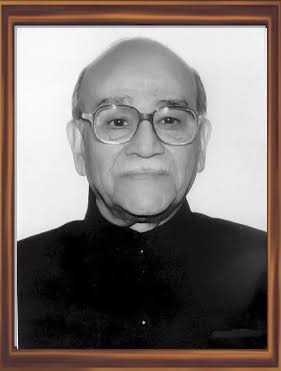
Narayandas Ratanmal Malkani (1890–1974), widely known as N. R. Malkani, was a towering Indian freedom fighter, educationist, author, and social reformer from Sindh. A dedicated Gandhian, he spent his life championing nationalist causes, uplifting marginalized communities, and facilitating the complex rehabilitation of displaced Sindhi refugees following the partition of India. Seamlessly balancing academia, political imprisonment, and grassroots public service, Malkani left an indelible mark on modern Indian history.
2. Quick Facts
- Full Name: Narayandas Ratanmal Malkani
- Native Name: नारायणदास रतनमल मलकाणी (Hindi) / نارائणदास रतनमल मलकाणी (Sindhi)
- Date of Birth: August 14, 1890
- Place of Birth: Hyderabad, Sindh, British India (present-day Pakistan)
- Nationality: Indian
- Occupation / Profession: Professor of Economics, Freedom Fighter, Author, Politician
- Field of Achievement: Indian Independence Movement, Education, Social Reform, and Refugee Rehabilitation
- Years Active: c. 1913 – 1970s
3. Award Information
- Award Name: Padma Bhushan
- Award Category: India’s Third-Highest Civilian Honor
- Award Year: 1973
- Presented By: Government of Infrastructure / President V. V. Giri
- Date of Ceremony: Spring 1973 (Rashtrapati Bhavan, New Delhi)
- Citation / Official Reason: Recognized for his lifelong dedication to public service, literature, and his instrumental role in the freedom struggle and refugee welfare.
- Previous Recipients (Selected): Distinguished leaders, scholars, and public servants from preceding annual civilian honors lists.
- Next Recipients: Followed by subsequent panels of national laureates.
4. Why He Received the Award
N. R. Malkani was conferred the Padma Bhushan in recognition of his decades-long sacrifice during the Indian independence movement, his pioneering work in education and Gandhian constructive programs, and his tireless efforts in managing the evacuation and rehabilitation of Hindu Sindhi refugees fleeing Pakistan post-Partition.
5. Early Life
Born in Hyderabad, Sindh, into a respected family deeply rooted in the reform-minded Brahmo Samaj (his father, Ratanmal Malkani, was a well-known community leader), Narayandas grew up in an environment focused on spiritual growth, social equity, and intellectual inquiry. Surrounded by the cultural richness of Sindh, he developed early sensitivities toward the underprivileged, steering him away from a conventional corporate or legal path toward public service.
6. Education
- Schooling: Completed his matriculation in Sindh in 1905.
- Higher Education: Attended Baroda College and Ferguson College, Pune, before completing his Bachelor of Arts (B.A.) degree from D. J. Sindh College, Karachi.
- Legal Training: Pursued further studies to earn his Bachelor of Laws (LL.B.) degree in 1912. Though legally qualified to practice, he chose a life of teaching and social activism instead.
7. Career Journey
- Academic Beginnings: Started his professional life as an educator, serving as a Professor of Economics at various institutions, including Muzaffarpur, Bihar (where he met Acharya J. B. Kripalani).
- The Gandhian Transition: Introduced to Mahatma Gandhi through Acharya Kripalani, Malkani joined the Non-Cooperation Movement and taught at Gujarat Vidyapith in Ahmedabad. He later returned to Sindh to teach at Sindh National College, Hyderabad.
- Diplomatic & Administrative Roles: Following the Partition of India, he served briefly as the Deputy High Commissioner of India in Karachi, supervising the safe evacuation of minority populations.
- Parliamentary Tenure: Transitioned into national governance, serving two consecutive terms as a nominated member of the Rajya Sabha (Upper House of the Indian Parliament) from 1952 to 1962.
8. Major Achievements
- Architect of Refugee Rehabilitation: Played a monumental role in setting up transit camps and organized settlements—most notably Adipur and Gandhidham in Kutch, Gujarat—to house and economically rehabilitate displaced Sindhis.
- Prolific Authorship: Wrote around 20 books in English, Hindi, and Sindhi, including his autobiography Nirali Zindagi and historical accounts like The Sindh Story. He also translated autobiographies of Mahatma Gandhi and Jawaharlal Nehru into Sindhi.
- Political Catalyst in Sindh: Successfully influenced regional political figures, such as Allah Bux Soomro, to support the Indian National Congress and bridged communication with local leaders during the freedom struggle.
9. Contribution to the Nation
Malkani’s contributions to India span across anti-colonial resistance and humanitarian relief:
- Freedom Struggle: Imprisoned multiple times by British authorities—including stints during the Salt Satyagraha (1930) and the Quit India Movement (1942). He utilized his prison terms to write and document historical movements.
- Champaran Connection: During Gandhi’s historic Champaran satyagraha, Mahatma Gandhi notably stayed at Malkani’s residence in Bihar.
- Cultural Preservation: Dedicated his later years to preserving the cultural heritage, language, and historical memory of the uprooted Sindhi community in post-independent India.
10. Other Awards and Honours
- Padma Bhushan (1973): Conferred by the President of India for his exceptional lifetime service.
- Community Recognition: Widely honored by various literary and Sindhi cultural organizations across India for keeping the spirit of Sindh alive.
11. Legacy and Influence
N. R. Malkani is remembered as a quintessential Gandhian foot soldier who combined intellectual rigor with profound empathy. While the trauma of partition scattered the Sindhi community globally, figures like Malkani provided them with a structural anchor, guiding their peaceful integration and economic self-reliance in India, particularly in Rajasthan and Gujarat.
12. Interesting Facts
- Elder Brother of K. R. Malkani: He was the eldest brother of Kewalram Ratanmal Malkani (K. R. Malkani), a noted journalist, author, and former Lieutenant Governor of Pondicherry.
- Prison Author: Much of his extensive library of books and translations was conceptualized and drafted during his multiple imprisonments in British jails, where he turned isolation into literary productivity.
- Late-Life Shift to Kutch: In 1966, he permanently shifted to Adipur (Gandhidham) in Kutch, Gujarat, living directly among the refugee communities he had spent decades serving.
13. Quotes
“True education is not merely the accumulation of facts, but the cultivation of a conscience that responds instantly to human suffering.”
“The uprooting of a community tests its inner strength; our duty is to ensure that resilience transforms into a vibrant new beginning.”
14. Timeline
- 1890: Born on August 14 in Hyderabad, Sindh.
- 1912: Completes his LL.B. degree.
- 1917–1920s: Meets Mahatma Gandhi; joins the freedom struggle and teaches at Gujarat Vidyapith.
- 1930 & 1942: Arrested and imprisoned during major freedom movements (Salt Satyagraha and Quit India).
- 1947–1948: Acts as India’s Deputy High Commissioner in Karachi, managing refugee evacuations.
- 1952–1962: Serves two terms as a Member of Parliament in the Rajya Sabha.
- 1973: Awarded the Padma Bhushan by the Government of India.
- 1974: Passes away on January 1.
15. References
- Ministry of Home Affairs, Government of India – Padma Awards Directory.
- The Sindhu World – Padma Bhushan N. R. Malkani: Sindhi Educationist Profile.
- Wikipedia – N. R. Malkani historical records.
- Selected archival papers on the Partition of India and Sindhi diaspora settlements.
16. Related Personalities
- Mahatma Gandhi: Mentor, close associate, and guiding force behind Malkani’s public life.
- Acharya J. B. Kripalani: Close friend and colleague who first introduced Malkani to Gandhian philosophy.
- K. R. Malkani: Younger brother, prominent journalist, author, and political figure.
- Allah Bux Soomro: Progressive Sindhi political leader whom Malkani closely worked with during pre-partition nationalist movements.
17. Frequently Asked Questions (FAQ)
Q1: What was N. R. Malkani best known for?
A: He is best remembered as a dedicated freedom fighter, Gandhian scholar, and key relief worker who played a pivotal role in the evacuation, relief, and rehabilitation of Sindhi refugees after the partition of India.
Q2: Did he hold any political office in independent India?
A: Yes, he served as a nominated Member of Parliament in the Rajya Sabha for two consecutive terms spanning from 1952 to 1962.
Q3: What was his role during the Partition?
A: Immediately following Partition, he served as India’s Deputy High Commissioner in Karachi, overseeing the safe transit and migration of minority populations, before spearheading refugee settlement camps in western India.
Q4: When was he awarded the Padma Bhushan?
A: He was honored with the Padma Bhushan by the Government of India in 1973 for his monumental contributions to society, literature, and the nation.
About the Author