

1. Introduction
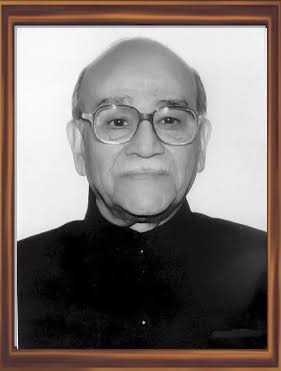
Banarsidas Chaturvedi (1892–1985) was a towering figure in modern Hindi journalism, a prolific writer, a dedicated social reformer, and a passionate voice for overseas Indians. Known particularly for pioneering travelogues, sketches (Rekhachitra), and biographical literature in Hindi, he dedicated his life to championing the marginalized—especially indentured laborers (Girmitiyas) scattered across the British Empire. Blending a life of literary pursuits with active nation-building, he worked closely with Mahatma Gandhi, Rabindranath Tagore, and C.F. Andrews, leaving an indelible imprint on India’s cultural and political fabric.
2. Quick Facts
- Full Name: Banarsidas Chaturvedi
- Native Name: बनारसीदास चतुर्वेदी
- Date of Birth: December 24, 1892
- Place of Birth: Firozabad, Uttar Pradesh, British India
- Nationality: Indian
- Occupation / Profession: Journalist, Essayist, Biographer, Politician, Educator
- Field of Achievement: Hindi Journalism, Literature, and Overseas Indian Welfare
- Years Active: c. 1912 – 1980s
3. Award Information
- Award Name: Padma Bhushan
- Award Category: India’s Third-Highest Civilian Honor
- Award Year: 1973
- Presented By: Government of India (President V.V. Giri)
- Date of Ceremony: Spring 1973 (Rashtrapati Bhavan, New Delhi)
- Citation / Official Reason: Recognized for his exceptional contributions and lifelong service to literature and education.
- Previous Recipients (Selected): Eminent scholars, scientists, and artists from preceding annual national honors lists.
- Next Recipients: Followed by subsequent panels of civilian honorees.
4. Why He Received the Award
Banarsidas Chaturvedi was honored with the Padma Bhushan for his lifetime devotion to enriching Hindi literature, elevating the standards of cultural journalism, and documenting the struggles of the Indian diaspora. His editorial acumen, sharp biographical sketches, and relentless advocacy for social justice deeply influenced generations of writers and public servants.
5. Early Life
Born in Firozabad, Uttar Pradesh, into a modest family, his father, Pandit Ganeshilal Chaube, was a village schoolteacher. Growing up amidst limited financial means, Chaturvedi developed a fierce independent spirit and a deep love for learning from an early age. His formative years were spent navigating the socio-political turmoils of early 20th-century British India, which deeply sensitized him to issues of human dignity, labor exploitation, and national independence.
6. Education
Chaturvedi began his formal education around 1900. Supported by a scholarship from the Chaube Boarding House in Agra (run by Raja Jai Kishan Das), he excelled academically, passing his examinations with distinction in English. Though financial constraints prevented him from pursuing higher university education seamlessly, he was an avid autodidact who mastered Hindi, Sanskrit, and English literature, cultivating a rich cross-cultural worldview.
7. Career Journey
- Early Teaching & Mentorship: Initially worked as a school teacher in Farrukhabad and later at Daly College in Indore. While in Indore, he met Mahatma Gandhi during a session of the Hindi Sahitya Sammelan, which redirected the course of his life.
- Association with Shantiniketan & Gujarat Vidyapith: At the behest of C.F. Andrews and Mahatma Gandhi, he spent time teaching and engaging with national institutions like Visva-Bharati (Santiniketan) and Gujarat Vidyapith.
- Journalistic Zenith (Vishal Bharat): His career reached its pinnacle when he took over the editorship of the prominent cultural-literary Hindi monthly Vishal Bharat in Calcutta, under the ownership of Ramananda Chatterjee. He turned it into a premier platform for progressive and nationalist writers.
- Political Service: Transitioned into parliamentary life, serving effectively as a nominated Member of Parliament in the Rajya Sabha for twelve years, voicing cultural and social causes.
8. Major Achievements
- Pioneering Diaspora Studies: Authored monumental accounts on the plight of overseas Indians, most notably Fiji Dwip Mein Mere Tis Varsha (My Years in Fiji), shedding light on the harsh realities of the Girmitiya (indentured labor) system.
- Literary Development: Authored and edited celebrated biographical works and character sketches such as Hamare Aaradhya and Setubandha, setting high benchmarks for biographical prose in Hindi.
- Institutional Building: Actively partnered with Rabindranath Tagore in the conceptualization and construction of the Hindi Bhavana at Visva-Bharati, Santiniketan, in 1939.
9. Contribution to the Nation
Chaturvedi’s contributions stretched across multiple domains of national life:
- Abolition of Indentured Labor: Through his writings, reports, and close collaboration with C.F. Andrews and Mahatma Gandhi, he played a critical catalyst role in exposing the inhumane conditions of Indian indentured laborers abroad, helping pave the way for the system’s termination.
- Preserving Martyr Memory: He undertook the painstaking personal task of compiling and publishing works dedicated to the freedom fighters and martyrs of India’s independence movement.
- Fostering Young Talent: As an editor, he used his platform to mentor, support, and critique upcoming young writers, shaping the trajectory of modern Hindi literature.
10. Other Awards and Honours
- Padma Bhushan (1973): Conferred by the President of India for his lifelong literary footprint.
- Literary Recognitions: Felicitated by various state Sahitya Sammelans and literary bodies for his lifelong dedication to journalism and biographical studies.
11. Legacy and Influence
Banarsidas Chaturvedi is remembered as the conscience keeper of Hindi journalism who bridged the gap between journalism and literature. Long before global diaspora studies became common, he mapped the emotional and physical geography of uprooted Indians. His conversational yet commanding prose style made high-minded social discourse accessible to the general public, establishing sketches and diaries as powerful tools of social commentary.
12. Interesting Facts
- The Global Delegate: In 1924, the Indian National Congress appointed him as an official representative to visit East Africa to study and report on the conditions of the Indian diaspora there.
- Home Office Archive: For much of his later life, Chaturvedi’s personal residence essentially functioned as a grassroots archive and office where he single-handedly compiled commemorative volumes, diaries, and martyrdom records.
- Role Model: He considered legendary journalist and freedom fighter Ganesh Shankar Vidyarthi his primary ideological and professional role model.
13. Quotes
“A journalist’s pen is not merely a tool for expression; it is a sacred trust meant to defend the dignity of the broken and the voiceless.”
“True literature must walk hand in hand with the struggles of the common people, reflecting both their tears and their quiet resilience.”
14. Timeline
- 1892: Born on December 24 in Firozabad, Uttar Pradesh.
- 1912: Publishes his first major article, “Svavlamban”, in Navjeevan.
- 1920s: Works closely with C.F. Andrews and Gandhi; travels to study overseas labor conditions; begins intensive journalistic work.
- 1939: Actively collaborates in the founding of the Hindi Bhavana at Santiniketan.
- 1949: Co-authors Charles Freer Andrews, a Narrative alongside Marjorie Sykes, with a foreword by Mahatma Gandhi.
- 1950s–1960s: Serves a twelve-year tenure as a nominated Member of the Rajya Sabha.
- 1973: Awarded the Padma Bhushan by the Government of India.
- 1985: Passes away on May 2 at the age of 92.
15. References
- Ministry of Home Affairs, Government of India – Padma Awards Directory.
- Datta, Amaresh (Ed.). Encyclopaedia of Indian Literature (Sahitya Akademi).
- Prasar Bharati & Doordarshan Archives – Radio Autobiography & Interview transcripts of Banarsidas Chaturvedi.
- Selected historical archives of Vishal Bharat and Hindi Sahitya Sammelan logs.
16. Related Personalities
- Mahatma Gandhi: Mentor and guide who directed Chaturvedi toward national education and diaspora service.
- C.F. Andrews: Close collaborator in advocating against the indentured labor system and championing human rights.
- Ganesh Shankar Vidyarthi: Celebrated journalist and freedom fighter whom Chaturvedi looked up to as his core inspiration.
- Rabindranath Tagore: Intellectual and literary partner during Chaturvedi’s tenure at Visva-Bharati, Santiniketan.
17. Frequently Asked Questions (FAQ)
Q1: What was Banarsidas Chaturvedi best known for?
A: He is best remembered as a pioneering Hindi journalist, essayist, and biographer who played a major role in documenting the struggles of overseas Indian indentured laborers (Girmitiyas) in places like Fiji and East Africa.
Q2: Which prominent magazine did he edit?
A: He served as the famous editor of Vishal Bharat, a premier monthly Hindi literary magazine published from Calcutta, which featured works by leading contemporary writers.
Q3: Did he participate in active politics?
A: Yes, he contributed to national governance by serving as a nominated Member of Parliament in the Rajya Sabha for a span of twelve years.
Q4: When did he receive the Padma Bhushan?
A: He was awarded the Padma Bhushan by the Government of India in 1973 for his distinguished contributions to literature and education.
About the Author