
1. Introduction
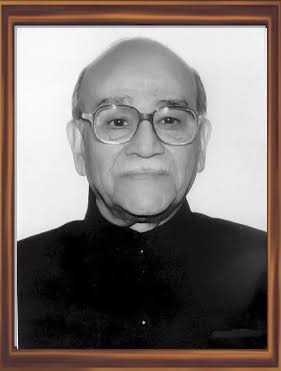
Harindranath Chattopadhyay (1898–1990) was a legendary polymath, freedom fighter, poet, playwright, musician, actor, and politician. Gifted with a rare versatility, he fluidly crossed boundaries between high literary art and popular folk expression, leaving an indelible imprint on Indian English poetry, theater, and parallel and mainstream cinema. Born into a remarkably accomplished family, his life mirrored the socio-political transformations of 20th-century India.
2. Quick Facts
- Full Name: Harindranath Chattopadhyay (often spelled Chattopadhyaya)
- Native Name: ಹరీంద్రನಾథ್ ఛటోపాధ్యాయ (Telugu) / হরেন্দ্রনাথ চট্টোপাধ্যায় (Bengali)
- Date of Birth: April 2, 1898
- Place of Birth: Hyderabad, Princely State of Hyderabad, British India
- Nationality: Indian
- Occupation / Profession: Poet, Playwright, Actor, Singer-Songwriter, Politician
- Field of Achievement: English Literature, Performing Arts (Theater & Cinema), Classical/Folk Music, and Parliament
- Years Active: c. 1918 – 1980s
3. Award Information
- Award Name: Padma Bhushan
- Award Category: India’s Third-Highest Civilian Honor
- Award Year: 1973
- Presented By: The Government of India (President V. V. Giri)
- Date of Ceremony: Spring 1973 (Rashtrapati Bhavan, New Delhi)
- Citation/Official Reason: Recognized for his profound and multifaceted contributions to literature, drama, and the arts.
- Previous Recipients (Selected): Notable figures across arts, science, and public service (such as Rukmini Devi Arundale, Salim Ali, and others in preceding years).
- Next Recipients: Followed by subsequent annual civilian honors lists.
4. Why He Received the Award
Harindranath Chattopadhyay was conferred the Padma Bhushan for his lifetime devotion to the enrichment of Indian culture. For over five decades, he bridged intellectual English poetry with grassroots cultural movements, penned progressive dramas that championed workers’ rights, composed timeless folk anthems for India’s freedom struggle, and served as a foundational pillar for Indian theater and cinema.
5. Early Life
Born in Hyderabad into a distinguished Bengali Brahmin family rooted in Bikrampur (now Bangladesh), Harindranath grew up in an environment buzzing with intellect and creativity. His father, Dr. Aghorenath Chattopadhyay, was the first Indian Doctor of Science (D.Sc.) and the founder-principal of Nizam’s College. His mother, Varada Sundari, was a gifted poet and singer in Bengali. He was the youngest of several brilliant siblings, notably the iconic poet and political leader Sarojini Naidu and the international communist revolutionary Virendranath Chattopadhyay. His childhood home resembled a South Indian version of the Tagore household, filled with poetry, music, political discourse, and cross-cultural artistic exchanges.
6. Education
Harindranath received a rigorous education shaped by his father’s academic discipline and the cosmopolitan intellectual climate of Hyderabad. While formally trained in the humanities, his true education occurred organically through extensive reading, classical Indian and Western philosophy, and immersion in the arts. He later traveled to Europe with his first wife, Kamaladevi, to further sharpen his studies in arts, humanities, and theatrical production.
7. Career Journey
- Literary Beginnings: Published his debut collection of English poetry, The Feast of Youth, at the young age of 19, receiving high praise from British critics and poets like W. B. Yeats and James H. Cousins.
- Spiritual Phase: Spent considerable time at the Sri Aurobindo Ashram in Pondicherry, producing spiritually intense and mystical poetry.
- Theatrical & Musical Expansion: Partnered with the Indian People’s Theatre Association (IPTA), writing socially conscious plays and revolutionary folk songs (such as Surya Ast Ho Gaya) that mobilized working classes.
- Political Enclave: Transitioned briefly into electoral politics, serving as an active Member of Parliament in India’s First Lok Sabha (1952–1957) representing Vijayawada.
- Cinematic Career: Transitioned into a beloved character actor in his later decades, starring in landmark commercial and parallel art-house films across Hindi and Bengali cinema.
8. Major Achievements
- Literary Output: Wrote dozens of poetry and drama books, including Ancient Wings (1923), Blood of Stones (1944), and Virgins and Vineyards (1967). His poems like The Earthen Goblet and Shaper Shaped remain staples of Indian English literature syllabi.
- Parliamentary Role: Elected to the First Lok Sabha as an independent candidate backed by the Communist Party of India (1952–1957).
- Cinematic Legacy: Immortalized on screen through Satyajit Ray’s masterpieces (Goopi Gyne Bagha Byne as the wizard Barfi, Sonar Kella as Sidhujyatha) and iconic Hindi films like Bawarchi (as the strict Dada/grandfather) and Sahib Bibi Aur Ghulam.
9. Contribution to the Nation
Chattopadhyay used his art as a weapon for social justice and national awakening. During the freedom struggle, his evocative Hindustani songs and street plays rallied ordinary citizens against colonial rule, leading to brief imprisonments by British authorities. He was a pioneer in using popular media to amplify the struggles of laborers, peasants, and the marginalized. Furthermore, his pioneering work in writing children’s nursery rhymes in Hindi helped shape early childhood cultural education in independent India.
10. Other Awards and Honours
- Padma Bhushan (1973): Recognized by the President of India for exceptional service to the nation’s cultural heritage.
- Fellowships and Literary Accolades: Honored by various state and national academies for his lifelong dedication to verse and drama.
11. Legacy and Influence
Harindranath Chattopadhyay is remembered as a quintessential Renaissance man of modern India. Long before cross-disciplinary art became common, he seamlessly moved between writing deeply metaphysical poetry, composing foot-tapping political anthems, and playing eccentric grandfathers on the silver screen. His life’s work demonstrated that high intellect could successfully merge with popular folk entertainment to champion human dignity.
12. Interesting Facts
- Pioneering Personal Life: He was married to Kamaladevi Chattopadhyay—a legendary freedom fighter, feminist icon, and architect of modern Indian handicrafts. Their mutual decision to legally part ways went down in history as one of India’s earliest high-profile legal divorces; yet, they remained lifelong friends and collaborators.
- The Voice of “Rail Gaadi”: He originally wrote and composed the famous novelty song “Rail Gaadi, Rail Gaadi”, which he frequently performed on All India Radio. It was later popularized for cinematic audiences by actor Ashok Kumar in the film Aashirwad (1968).
- Polyglot Creativity: Though his mother tongue was Bengali and his primary literary output was in English, he wrote influential poetry, songs, and children’s literature effortlessly in Hindi and Urdu.
13. Quotes
“I have ceased to be the potter, I have learned to feel the clay, and the profit is not mine—the profit is with the Shaper who is shaping all the day.” — Harindranath Chattopadhyay (from the poem Shaper Shaped)
“Art must not sit isolated in ivory towers; it must walk bare-foot upon the dusty roads alongside the common man.”
14. Timeline
- 1898: Born on April 2 in Hyderabad.
- 1918: Publishes his debut poetry collection, The Feast of Youth, at age 19.
- 1920s: Marries Kamaladevi; tours Europe; achieves widespread theatrical acclaim with plays like Abu Hassan.
- 1930s–40s: Actively participates in the freedom movement, writing revolutionary songs and working closely with leftist cultural groups like IPTA.
- 1952–1957: Serves as a Member of Parliament in India’s First Lok Sabha representing Vijayawada.
- 1969–1973: Enters a prolific film acting phase, starring in Satyajit Ray classics and Hrishikesh Mukherjee’s Bawarchi.
- 1973: Awarded the Padma Bhushan by the Government of India.
- 1990: Passes away on June 23 in Bombay.
15. References
- Academy of American Poets – Profile on Harindranath Chattopadhyaya
- Lok Sabha Secretariat – Parliament of India Records (1st Lok Sabha)
- Films Division of India – Documentary archives on Harindranath Chattopadhyay
- Selected biographical essays and literary anthologies on Indian English Poetry.
16. Related Personalities
- Sarojini Naidu: Elder sister, celebrated poet and political leader (“The Nightingale of India”).
- Virendranath Chattopadhyay: Elder brother, prominent international communist revolutionary.
- Kamaladevi Chattopadhyay: First wife, freedom fighter, feminist icon, and social reformer.
- Satyajit Ray: Legendary filmmaker who cast Harindranath in key cinematic roles.
17. Frequently Asked Questions (FAQ)
Q1: What was Harindranath Chattopadhyay best known for?
A: He is best remembered as a versatile genius—acclaimed as an Indian English poet, a prominent leftist playwright, a composer of patriotic folk songs, and later in life, a memorable character actor in classic films like Bawarchi and Satyajit Ray’s Goopi Gyne Bagha Byne.
Q2: How is he related to Sarojini Naidu?
A: He was the younger brother of Sarojini Naidu. They belonged to a remarkably gifted family from Hyderabad that contributed significantly to India’s literature, culture, and freedom struggle.
Q3: Did he participate in politics?
A: Yes. True to his leftist and socialist leanings, he contested and won a seat as an independent candidate backed by the Communist Party of India, serving as a Member of Parliament in India’s First Lok Sabha from 1952 to 1957.
Q4: Which films did Harindranath Chattopadhyay act in?
A: Some of his most notable film appearances include Bawarchi (1972), Sahib Bibi Aur Ghulam (1962), Aashirwad (1968), and Satyajit Ray’s Bengali classics Goopi Gyne Bagha Byne (1969) and Sonar Kella (1974).
About the Author