
1. Introduction
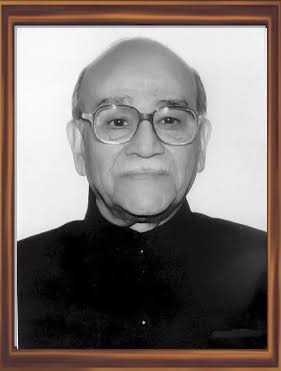
Anant Viththal Keer (1913–1984), globally known by his pen name Dhananjay Keer, was a pioneering Indian biographer, historian, and writer. He is widely celebrated for his definitive, deeply researched biographies of India’s most influential socio-political figures and freedom fighters, including Dr. B. R. Ambedkar, Mahatma Phule, Veer Savarkar, Lokmanya Tilak, and Mahatma Gandhi. Working humbly while balancing a municipal job, Keer carved a legendary niche in Indian historical literature, preserving the life stories of architects of modern India with rare objectivity and scholarly devotion.
2. Quick Facts
- Full Name: Anant Viththal Keer
- Native Name: अनंत विठ्ठल कीर
- Date of Birth: April 23, 1913
- Place of Birth: Ratnagiri, Maharashtra, British India
- Nationality: Indian
- Occupation/Profession: Biographer, Historian, Writer
- Field of Achievement: Historical Literature and Biographies of Social Reformers and Freedom Fighters
- Years Active: 1940s–1984
3. Award Information (Focus: Padma Bhushan)
- Award Name: Padma Bhushan
- Award Category: India’s third-highest civilian honor
- Award Year: 1971
- Presented By: Government of India
- Date of Ceremony: 1971 (Formal Rashtrapati Bhavan Investiture)
- Citation/Official Reason: For exceptional and distinguished service in the field of literature and education.
- Previous Recipients (Examples): Notable literary and public figures recognized in preceding years.
- Next Recipients: Notable figures of subsequent civilian award lists.
4. Why They Received the Award
Dhananjay Keer received the Padma Bhushan in recognition of his monumental contribution to Indian historical literature. Through his meticulously researched, authoritative biographies written in both English and Marathi, he illuminated the lives, struggles, and ideologies of India’s preeminent social reformers and freedom fighters, giving historical validation and global visibility to figures who shaped modern Indian democracy and social justice.
5. Early Life
Dhananjay Keer was born on April 23, 1913, in the coastal town of Ratnagiri, Maharashtra. Growing up in a period of intense national awakening and freedom struggle, he was deeply influenced by the socio-political movements sweeping across western India. Coming from modest beginnings, he cultivated a relentless passion for reading, history, and journalism from an early age, laying the bedrock for his future as a chronicler of Indian history.
6. Education
Keer completed his primary and secondary schooling in Ratnagiri. Driven by economic realities and a passion to make a mark in public service and writing, he later moved to Bombay (now Mumbai), where he pursued self-directed education, reading voraciously across history, politics, and world literature while navigating early employment.
7. Career Journey
Keer balanced a steady day job with the Mumbai Municipal Corporation (Mumbai Mahapalika) in the Department of Education to sustain his livelihood, dedicating all his spare time to historical research and writing. Early in his career, he wrote columns and biographies on eminent freedom fighters for publications like the newspaper Free Hindustan.
His breakthrough as a major author came in 1950 with the publication of Savarkar and His Times. Following this, he undertook the mammoth task of writing the first comprehensive English biography of Dr. B. R. Ambedkar (Dr. Ambedkar: Life and Mission) in 1954, which established him as an authority on Dalit iconographies and social reform movements. Over the next three decades, he produced a stellar canon of biographies on Mahatma Phule, Lokmanya Tilak, Shahu Chhatrapati, and Mahatma Gandhi.
8. Major Achievements
- Authored seminal, highly cited biographies of India’s most complex and defining political and social leaders.
- Wrote Dr. Ambedkar: Life and Mission (1954), which remains a foundational source text for researchers studying Dr. Ambedkar and the anti-caste movement globally.
- Conferred the prestigious Padma Bhushan by the Government of India in 1971.
- Honored with the Vidyarthi Award by the Nava Nalanda Mahavira foundation in February 1977 for his stellar contributions to literature.
9. Contribution to the Nation
Dhananjay Keer’s primary contribution to India was rescuing vital chapters of modern Indian social history from obscurity. At a time when mainstream historical discourse heavily favored select narratives, Keer ensured that the life works, philosophies, and struggles of social reformers like Mahatma Phule, Dr. B. R. Ambedkar, and Rajarshi Shahu Maharaj received national and international academic prominence. His works bridged deep ideological divides, offering objective documentation of figures representing divergent political philosophies—from Hindutva ideologues to socialist reformers and Gandhian nationalists.
10. Other Awards and Honours
| Award / Honor | Organization / Institution | Year |
| Padma Bhushan | Government of India | 1971 |
| Vidyarthi Award | Nava Nalanda Mahavira Foundation | 1977 |
| Literary Felicitation | Various Marathi Sahitya Sammelan platforms | Various |
11. Legacy and Influence
Dhananjay Keer is regarded as a pioneer of biographical literature in India. His books are treated as standard reference texts by academics, historians, political scientists, and biographers globally. By treating his subjects with deep analytical rigor and unprecedented access to primary sources and personal interviews (such as with V.D. Savarkar), Keer set a gold standard for biographical writing in the country. His works continue to shape how contemporary generations understand the architects of India’s social revolution.
12. Interesting Facts
- The Working-Class Chronicler: Keer wrote most of his monumental, extensively researched biographies while working a full-time administrative job for the Bombay Municipal Corporation.
- Direct Access: For his biography on Veer Savarkar, Keer worked closely with Savarkar himself, utilizing papers and interviews provided directly by the nationalist leader.
- Bilingual Mastery: Keer wrote with equal fluidity in both English and Marathi, ensuring his biographies reached both regional grassroots readers and international academic circles.
- Autobiographical Work: He documented his own life journey in his Marathi autobiography titled Krutadnya Mi Krutartha Mi.
13. Quotes
“History is not merely a chronicle of kings and battles; it is the saga of the emancipation of ordinary human beings driven by extraordinary visionaries.” — (Reflecting his core philosophy on biographical history)
14. Timeline
- 1913: Born on April 23 in Ratnagiri, Maharashtra.
- 1950: Publishes his first major biography, Savarkar and His Times.
- 1954: Publishes the landmark book Dr. Ambedkar: Life and Mission.
- 1964: Releases Mahatma Jotirao Phooley: Father of the Indian Social Revolution.
- 1971: Awarded the Padma Bhushan by the Government of India; publishes Lokmanya Tilak ani Rajarshi Shahu Maharaj: Ek Mulyamapan.
- 1973: Publishes Mahatma Gandhi: Political Saint and Unarmed Prophet.
- 1984: Passes away on May 12 at the age of 71.
15. References
- Wikipedia – Dhananjay Keer Profile & Bibliography
- Archives of Free Hindustan & The Indian Publisher and Bookseller
- National Library of Australia – Historical Biographies catalog
- Government of India – Padma Awards Directory
16. Related Personalities
- Dr. B. R. Ambedkar (Subject of his defining 1954 biography)
- Mahatma Jotirao Phule (Subject of his pioneering social reform literature)
- Vinayak Damodar (Veer) Savarkar (Subject of his early breakthrough biography)
- Lokmanya Bal Gangadhar Tilak (Subject of his political biography)
- Mahatma Gandhi (Subject of his comprehensive political evaluation)
17. Frequently Asked Questions (FAQ)
Q: Who was Dhananjay Keer?
A: Dhananjay Keer (born Anant Viththal Keer) was a celebrated Indian biographer and historian famous for writing definitive English and Marathi biographies of India’s premier freedom fighters and social reformers.
Q: What are Dhananjay Keer’s most famous books?
A: His most famous works include Dr. Ambedkar: Life and Mission (1954), Mahatma Jotirao Phooley: Father of the Indian Social Revolution (1964), Lokmanya Tilak: Father of Indian Freedom Struggle (1959), and Savarkar and His Times (1950).
Q: Did Dhananjay Keer receive any national civilian honors?
A: Yes, he was honored with the Padma Bhushan by the Government of India in 1971 for his exceptional contributions to literature.
Q: Was Dhananjay Keer a full-time writer?
A: Surprisingly, no. Keer wrote his extensive historical works while managing a full-time administrative career with the Mumbai Municipal Corporation
About the Author