
1. Introduction
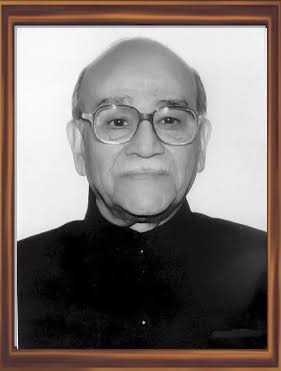
Ustad Ahmed Jan Thirakwa stands as a monumental figure in the history of Indian classical music, widely regarded as the pre-eminent tabla soloist of the 20th century. Known for his matchless technical precision, profound aesthetic sensibility, and mastery over multiple tabla gharanas, he elevated the tabla from a mere background accompaniment instrument to a formidable solo concert art form. His fingers moved across the drums with a shimmering fluidity that left audiences and fellow musicians spellbound, cementing his status as a legendary maestro whose influence continues to shape modern percussion.
2. Quick Facts
- Full Name: Ustad Ahmed Jan Khan
- Native Name: احمد جان تھرکوا (Urdu)
- Date of Birth: 1892
- Place of Birth: Moradabad, North-Western Provinces, British India
- Nationality: Indian
- Occupation/Profession: Classical Musician, Tabla Player, Educator
- Field of Achievement: Hindustani Classical Music (Percussion/Tabla)
- Years Active: 1908–1976
3. Award Information (Sangeet Natak Akademi Award)
- Award Name: Sangeet Natak Akademi Award
- Award Category: Instrumental Music – Tabla
- Award Year: 1954
- Presented By: Sangeet Natak Akademi, Government of India
- Date of Ceremony: 1954 (Inaugural batch of the national academy awards)
- Citation/Official Reason: In recognition of his supreme mastery, lifetime contribution, and pioneering role in establishing the tabla as an independent solo performance instrument.
- Previous Recipients: First-ever recipient for Tabla (Category established in 1954)
- Next Recipient: Ustad Jahangir Khan (1959)
4. Why They Received the Award
Ustad Ahmed Jan Thirakwa received India’s highest national recognitions—including the Sangeet Natak Akademi Award and the Padma Bhushan—because he transformed the technical and artistic boundaries of the tabla. Prior to his era, percussion was largely relegated to keeping time for vocalists or melodic instrumentalists. Thirakwa changed this dynamic through his breathtaking execution of complex mathematical rhythms (layakari), crystal-clear tonal clarity (bols), and a rare blending of power and lyricism. His decades-long dedication to teaching, performing, and preserving the purity of the Farukhabad gharana while integrating elements from other styles made him an irreplaceable icon of Indian culture.
5. Early Life
Born into a respected family of musicians in Moradabad, music surrounded Ahmed Jan from infancy. His father, Hussain Bakhsh, and elder brother, Mia Jan, were accomplished sarangi players. Initially, Ahmed Jan trained in Hindustani vocal music under Ustad Mithoo Khan and learned basic sarangi techniques. However, his life changed direction when he heard the legendary tabla exponent Ustad Munir Khan. Captivated by the power and beauty of the instrument, he was taken to Mumbai at the age of 12 and placed under Munir Khan’s rigorous tutelage, marking the beginning of an intense life of discipline.
6. Education
Thirakwa’s musical education was defined by traditional, grueling ganda-bandh apprenticeship (taleem). Under Ustad Munir Khan (representing the Farukhabad and Laliyana traditions), Thirakwa practiced upwards of 16 hours a day, fueled by a rich diet of milk and dry fruits to sustain his physical stamina. His guru’s father, Kale Khan, noticing the lightning-fast, shimmering quality of his finger movements on the drumheads, affectionately nicknamed him “Thirakwa” (meaning one whose fingers shimmer or dance with electric vibration). Beyond his primary training, he absorbed stylistic nuances from the Delhi, Ajrada, and Lucknow gharanas.
7. Career Journey
Thirakwa’s professional career took off after his public debut in Khetwadi, Bombay, at age 16. He quickly became one of the most sought-after accompanists and soloists across North India.
In 1936, he was appointed as a court musician for the princely state of Rampur, a position he held for roughly three decades. In this role, he collaborated with and accompanied the greatest vocal and instrumental titans of the Agra, Jaipur, Gwalior, and Patiala gharanas. Later in life, he transitioned to academics, serving as a professor and Head of the Tabla Faculty at the Bhatkhande College of Music in Lucknow, where he shaped generations of professional musicians until his passing in 1976.
8. Major Achievements
- Pioneered Tabla Solo Performance: Validated the tabla as an independent concert headliner rather than just a supportive instrument.
- Encyclopedic Repertoire: Mastered the complex compositions, gats, kaydas, and relas of multiple gharanas while anchoring the Laliyana-Farukhabad tradition.
- Historic Collaborations: Accompanied legendary instrumentalists, including historic jugalbandis between sitar and shehnai maestros like Ustad Bismillah Khan and Ustad Vilayat Khan.
- Prolific Pedagogy: Mentored a legendary line of disciples who carried forward his standard of excellence.
9. Contribution to the Nation
Ustad Ahmed Jan Thirakwa preserved, enriched, and globally elevated India’s indigenous percussion heritage. By transitioning from feudal royal courts to public sabhas, national radio, and institutional academia (such as Bhatkhande University), he democratized classical music training. He ensured that centuries-old oral compositions of rhythm were documented, structured, and passed down systematically, protecting an invaluable pillar of Indian cultural identity.
10. Other Awards and Honours
- Padma Bhushan (1970): Conferred by the Government of India for exceptional and distinguished service to the arts.
- ITC Sangeet Research Academy Recognition: Honored posthumously through numerous retrospectives and national festivals.
- Annual Music Festivals: Memorial festivals like the Ustad Ahmed Jan Thirakwa Music Festival are held nationwide in cities like Delhi, Mumbai, and Pune to honor his enduring legacy.
11. Legacy and Influence
Thirakwa’s influence on Indian classical music is foundational. Often described by peers as the “Mount Everest of Tabla,” his sound was characterized by an ideal balance of bass (bayan) resonance and treble (dayan) clarity. He trained a phenomenal array of stellar disciples who dominated the next generation of Indian percussion, including Pandit Nikhil Ghosh, Pandit Lalji Gokhale, Pandit Prem Vallabh, and Ustad Amir Hussain. Modern tabla legends trace their stylistic lineage or interpretive inspiration directly or indirectly back to Thirakwa’s rigorous standards.
12. Interesting Facts
- The Origin of a Name: “Thirakwa” was never his family name; it was a spontaneous moniker given by his guru’s father, Kale Khan, because his fingers appeared to shimmer like lightning across the drum skin.
- Gourmet Preferences: Beyond his relentless dedication to rhythm, Ustad Thirakwa was famously a connoisseur of fine Mughlai cuisine, particularly relishing authentic biryani and kebabs.
- Stamina and Strength: His 16-hour daily practice regimen required immense physical conditioning, making him an athlete of rhythm as much as an artist of sound.
- Rare Vocal Skills: Though known exclusively for percussion, he occasionally sang classical bandishes (compositions) for close confidants and family members in private gatherings.
13. Quotes
“Music is not just an art, it is an absolute surrender of the soul to the rhythm of the universe.”
“A tabla player must make the drum speak the language of the human heart; speed without clarity is merely noise.”
14. Timeline
- 1892: Born in Moradabad, British India.
- c. 1904: Began intensive training under Ustad Munir Khan in Mumbai at age 12.
- 1908: Made his public concert debut in Khetwadi, Bombay.
- 1936: Appointed as the official court musician of Rampur State.
- 1954: Awarded the prestigious Sangeet Natak Akademi Award for Tabla.
- 1970: Honored with the Padma Bhushan by the Government of India.
- January 13, 1976: Passed away in Lucknow, Uttar Pradesh, at the age of 84.
15. References
- Wikipedia contributors. “Ahmed Jan Thirakwa.” Wikipedia, The Free Encyclopedia.
- Laiho, Jarkko. “Profile of Ahmed Jan Thirakwa – Tabla Master (1892-1976).” Chandrakantha.
- Nadkarni, Vithal C. “Partnership in percussion and profile of Ahmed Jan Thirakwa.” The Hindu.
- Sangeet Natak Akademi official archives.
16. Related Personalities
- Ustad Munir Khan (Primary Guru)
- Pandit Nikhil Ghosh (Prominent Disciple)
- Ustad Alla Rakha (Contemporary Master)
- Pandit Kishan Maharaj (Contemporary Tabla Legend)
- Ustad Bismillah Khan (Frequent Collaborative Maestro)
17. Frequently Asked Questions (FAQ)
Q: What gharana did Ustad Ahmed Jan Thirakwa belong to?
A: He primarily belonged to the Laliyana parampara of the Farukhabad gharana, though he deeply studied and integrated aspects of the Delhi, Ajrada, and Lucknow gharanas.
Q: Why was he called “Thirakwa”?
A: “Thirakwa” was a nickname given to him by his guru’s father, Kale Khan, because his fast-moving fingers created a shimmering, vibrating visual and sonic effect on the tabla.
Q: What are his highest civilian or cultural awards?
A: He received the Sangeet Natak Akademi Award in 1954 and India’s third-highest civilian honor, the Padma Bhushan, in 1970.
Q: Did Ustad Ahmed Jan Thirakwa only play as an accompanist?
A: No. While he was a master accompanist, he revolutionized Hindustani music by establishing the tabla as a powerful solo concert instrument in its own right.
About the Author