Introduction
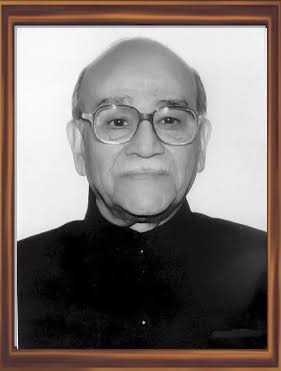
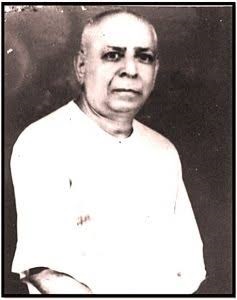
Satya Narayana Shastri was a renowned Indian physician of Ayurveda and a respected Sanskrit scholar. Born in Uttar Pradesh in 1887, he dedicated his life to the study, practice, and promotion of traditional Indian medicine and Sanskrit literature. His contributions helped preserve ancient Ayurvedic knowledge and make it relevant in modern times.
Early Life
Satya Narayana Shastri was born in 1887 in the state of Uttar Pradesh, India. He grew up in an environment where traditional Indian learning, Sanskrit studies, and Ayurvedic practices were highly valued.
From a young age, he developed a deep interest in ancient Indian scriptures, medicinal knowledge, and classical languages. His passion for Ayurveda guided him toward a lifelong career dedicated to healing and education.
Birth Date and Death
- Birth Year: 1887
- Birth Place: Uttar Pradesh, India
- Death: Information about his exact date of death is not widely documented.
He spent many years contributing to Ayurveda, Sanskrit scholarship, and the preservation of India’s traditional knowledge systems.
Education and Career
Satya Narayana Shastri received education in Ayurveda and Sanskrit, gaining deep knowledge of ancient Indian medical texts and classical literature.
Throughout his career, he worked as:
- An Ayurvedic physician.
- A scholar of Sanskrit literature.
- A teacher and promoter of traditional Indian knowledge.
He studied important Ayurvedic texts and worked to maintain the authenticity of ancient medical practices while encouraging their wider acceptance.
Why Did Satya Narayana Shastri Receive the Padma Bhushan Award?
Satya Narayana Shastri was awarded the Padma Bhushan in 1956 by the Government of India for his valuable contributions to medicine, especially Ayurveda, and Sanskrit scholarship.
He was honored because:
- He made significant contributions to Ayurvedic medicine.
- He helped preserve and promote ancient Indian medical traditions.
- He contributed to Sanskrit studies and classical Indian knowledge.
- He dedicated his life to education and public welfare through Ayurveda.
The award recognized his efforts in protecting India’s cultural and medical heritage.
Career and Achievements
Satya Narayana Shastri made important contributions in the fields of Ayurveda and Sanskrit.
His major achievements include:
- Promoting Ayurvedic methods of treatment.
- Preserving traditional medical knowledge.
- Studying and interpreting classical Sanskrit texts.
- Encouraging education in Ayurveda and ancient Indian sciences.
- Helping connect traditional knowledge with modern society.
His work contributed to the growth and recognition of Ayurveda as an important system of Indian medicine.
Field of Achievements
Satya Narayana Shastri’s main fields of achievement were:
1. Ayurveda
He was recognized as an expert in traditional Indian medicine and worked to preserve Ayurvedic practices.
2. Sanskrit Scholarship
He contributed to the study and understanding of Sanskrit texts related to medicine, philosophy, and Indian culture.
3. Education and Knowledge Preservation
He helped pass ancient Indian knowledge to future generations through teaching and scholarship.
Awards and Honours
Some of the major recognitions received by Satya Narayana Shastri include:
- Padma Bhushan (1956) – Awarded by the Government of India for contributions to Ayurveda and Sanskrit scholarship.
- Recognition as an important contributor to India’s traditional knowledge systems.
Interesting Facts About Satya Narayana Shastri
- He was both an Ayurvedic physician and Sanskrit scholar.
- He worked to preserve ancient Indian medical traditions.
- His life reflected the connection between science, culture, and spirituality in Indian traditions.
- He contributed during a period when India was working to revive and protect its indigenous systems of knowledge.
- His work supported the continued importance of Ayurveda in Indian society.
Legacy and Inspiration
Satya Narayana Shastri’s legacy continues through the practice and study of Ayurveda and Sanskrit. His dedication showed the importance of preserving traditional knowledge while sharing it with future generations.
He remains an inspiration for Ayurveda practitioners, researchers, and scholars who work to protect India’s cultural and medical heritage.
Contribution to the Nation
Satya Narayana Shastri contributed to India by:
- Promoting Ayurveda as a valuable healthcare tradition.
- Preserving ancient medical texts and Sanskrit knowledge.
- Educating people about India’s traditional systems of medicine.
- Supporting the continuation of indigenous knowledge after independence.
- Strengthening India’s cultural identity through scholarship.
His efforts helped protect important parts of India’s heritage and contributed to the growth of traditional medicine.
Conclusion
Satya Narayana Shastri was a distinguished Ayurvedic physician and Sanskrit scholar who dedicated his life to preserving India’s ancient knowledge systems. Through his medical expertise, scholarship, and teaching, he played an important role in promoting Ayurveda and Sanskrit studies. His contributions earned him the Padma Bhushan and a lasting place among India’s respected scholars and healers.
About the Author