Introduction
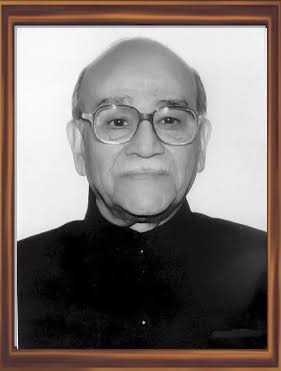
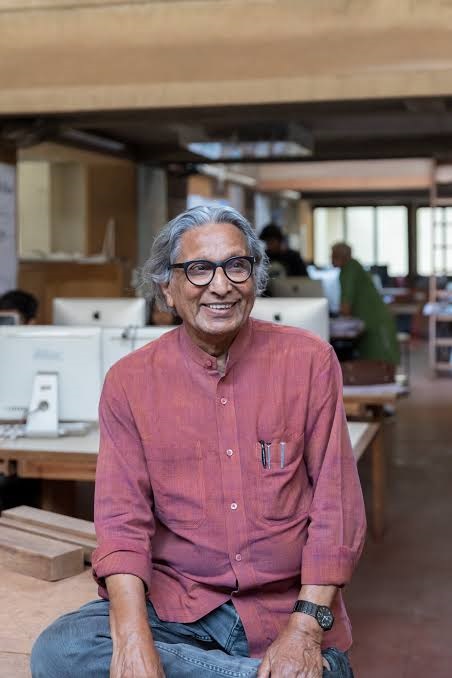
Balkrishna Vithaldas Doshi, popularly known as B. V. Doshi, was one of India’s most influential architects, educators, and urban planners. He played a major role in shaping modern Indian architecture by combining traditional Indian ideas with contemporary design principles.
He was known for creating buildings that focused on sustainability, community needs, and harmony between people and the environment. B. V. Doshi was the first Indian architect to receive the Pritzker Architecture Prize and was awarded the Padma Vibhushan in 2020 for his outstanding contribution to architecture.
Why Did B. V. Doshi Receive the Padma Vibhushan Award?
B. V. Doshi received the Padma Vibhushan (2020), India’s second-highest civilian honour, for his exceptional contribution to the field of architecture.
The award recognized his:
- Outstanding achievements in Indian architecture.
- Innovative designs combining tradition and modernity.
- Contribution to sustainable and affordable housing.
- Role as a teacher and mentor for generations of architects.
- Efforts to develop architecture that serves society.
His work demonstrated that architecture is not only about buildings but also about improving people’s lives.
Early Life
Balkrishna Vithaldas Doshi was born on 26 August 1927 in Pune, Maharashtra, India. He belonged to a family involved in the furniture business, which influenced his early interest in design and craftsmanship.
From childhood, he developed a fascination with art, creativity, and construction. His passion for architecture led him to pursue a career that would later transform Indian architectural practices.
Birth Date and Death
- Birth Date: 26 August 1927
- Birth Place: Pune, Maharashtra, India
- Death Date: 24 January 2023
- Age at Death: 95 years
Education and Career
Education
B. V. Doshi received his architectural education in India and Europe.
- Studied architecture at the Sir J. J. School of Art, Mumbai.
- Later went to France to work with the famous architect Le Corbusier.
- Worked closely with Le Corbusier on major architectural projects in Chandigarh and Ahmedabad.
- Gained international experience and developed his own architectural philosophy.
Career
B. V. Doshi had a remarkable career spanning more than seven decades.
Major achievements include:
- Founded the architectural firm Vastu-Shilpa Consultants in Ahmedabad in 1955.
- Designed several important buildings in India.
- Founded the School of Architecture, CEPT University in Ahmedabad.
- Served as an educator and mentor for young architects.
- Promoted research in architecture, urban planning, and housing.
Field of Achievements
1. Modern Indian Architecture
B. V. Doshi helped establish a unique Indian architectural style that blended:
- Modern design principles.
- Indian cultural traditions.
- Climate-responsive construction methods.
2. Sustainable and Affordable Housing
One of his major contributions was designing affordable housing projects that focused on community living.
A famous example is:
- Aranya Low Cost Housing — a project designed to provide affordable homes while encouraging social interaction.
3. Important Architectural Projects
Some of his notable works include:
- Indian Institute of Management Ahmedabad (with Louis Kahn)
- Amdavad ni Gufa
- CEPT University Campus
- Sangath Studio, Ahmedabad
These buildings reflect creativity, environmental sensitivity, and human-centered design.
4. Architectural Education
B. V. Doshi believed education was essential for developing responsible architects. Through teaching and institutions, he inspired thousands of students.
Awards and Honours
B. V. Doshi received many prestigious awards, including:
- Padma Vibhushan (2020) – India’s second-highest civilian award.
- Pritzker Architecture Prize (2018) – The first Indian architect to receive this honour.
- Padma Shri (1976) – For contributions to architecture.
- Padma Bhushan (2023, posthumously announced) – For exceptional service in architecture.
- RIBA Royal Gold Medal (2022) – Awarded by the Royal Institute of British Architects.
- Aga Khan Award for Architecture – For outstanding architectural work.
Interesting Facts About B. V. Doshi
- He was the first Indian architect to win the prestigious Pritzker Architecture Prize.
- He worked with legendary architects like Le Corbusier and Louis Kahn.
- He designed buildings that focused on people, nature, and community life.
- He believed architecture should improve society.
- He founded CEPT University, one of India’s leading institutions for architecture and design.
- His studio, Sangath, reflects his creative approach to architecture.
Legacy and Inspiration
B. V. Doshi’s legacy continues through his buildings, students, and architectural ideas. He changed the way Indian architects think about design by emphasizing sustainability, cultural identity, and social responsibility.
His work inspires architects worldwide to create spaces that are environmentally friendly and meaningful for communities.
Contribution to the Nation
B. V. Doshi contributed to India by:
- Developing a distinctive Indian approach to modern architecture.
- Designing socially responsible buildings and housing projects.
- Promoting architectural education and research.
- Training generations of architects.
- Bringing international recognition to Indian architecture.
- Encouraging sustainable and human-centered design.
His contributions helped shape the future of architecture in India.
Conclusion
B. V. Doshi was a visionary architect whose work transformed Indian architecture. Through his innovative designs, educational efforts, and commitment to society, he created a lasting impact on the built environment. The Padma Vibhushan award honored his extraordinary contribution to architecture and his role in inspiring generations of designers. His philosophy of creating spaces that connect people, culture, and nature continues to influence architects around the world.
About the Author