Introduction
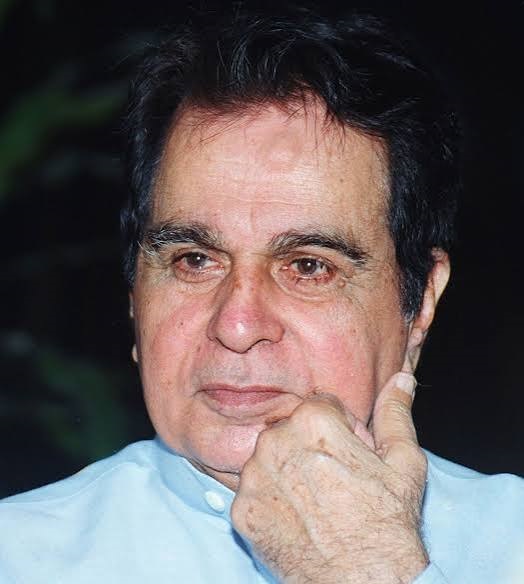
Dilip Kumar, popularly known as the “Tragedy King” of Indian cinema, was one of the greatest actors in the history of Bollywood. His exceptional acting skills, natural performances, and dedication to cinema transformed Indian filmmaking. With a career spanning over five decades, he inspired generations of actors and earned numerous prestigious awards, including India’s second-highest civilian honor, the Padma Vibhushan.
Early Life
Dilip Kumar was born as Muhammad Yusuf Khan in Peshawar, which was then part of British India (now in Pakistan). He belonged to a Pashtun family and spent his early childhood in Peshawar before moving to Mumbai with his family. Before entering films, he worked in a fruit business and later caught the attention of film producer Devika Rani, who suggested the screen name “Dilip Kumar.”
Birth Date and Death
- Birth Name: Muhammad Yusuf Khan
- Screen Name: Dilip Kumar
- Date of Birth: December 11, 1922
- Place of Birth: Peshawar, British India (now Pakistan)
- Date of Death: July 7, 2021
- Age at Death: 98 years
- Place of Death: Mumbai, Maharashtra, India
Education and Career
Education
Dilip Kumar completed his schooling at Barnes School, Deolali, in Maharashtra. Although he did not pursue higher education, his intelligence, language skills, and deep understanding of literature greatly influenced his acting style.
Career
Dilip Kumar made his acting debut in the 1944 film Jwar Bhata. Although the film was not a commercial success, he soon gained recognition through movies like Jugnu (1947), Andaz (1949), Daag (1952), Devdas (1955), Mughal-e-Azam (1960), Ganga Jamuna (1961), and Ram Aur Shyam (1967).
He appeared in around 65 films, yet each performance left a lasting impact. His realistic acting style became a benchmark for future actors.
Why Did He Receive the Padma Vibhushan Award?
Padma Vibhushan was conferred upon Dilip Kumar in 2015 for his exceptional and distinguished contribution to Indian cinema.
He received this prestigious honor because:
- He revolutionized acting with realistic and emotionally powerful performances.
- He significantly contributed to the growth of Indian cinema over five decades.
- He inspired countless actors, including Amitabh Bachchan, Shah Rukh Khan, and Aamir Khan.
- He elevated the global reputation of Indian films through his memorable performances.
- His contribution to art and culture made him one of India’s most respected public figures.
Career and Achievements
Throughout his remarkable career, Dilip Kumar achieved numerous milestones:
- Starred in several all-time classic films.
- Popularized method acting in Indian cinema.
- Became one of Bollywood’s highest-paid actors during the 1950s and 1960s.
- Served as a nominated member of the Rajya Sabha (2000–2006).
- Received national and international recognition for his contribution to cinema.
- Set a record for winning the Filmfare Award for Best Actor multiple times, a record that stood for many years.
Field of Achievement
Dilip Kumar’s primary field of achievement was:
- Indian Cinema (Acting)
- Film Production
- Public Service
- Promotion of Indian Arts and Culture
His contribution established new standards in acting and storytelling in Indian films.
Awards and Honours
Dilip Kumar received numerous prestigious awards, including:
- Padma Bhushan (1991)
- Dadasaheb Phalke Award (1994)
- Nishan-e-Imtiaz (1998) – Pakistan’s highest civilian award
- Padma Vibhushan (2015)
- Filmfare Best Actor Awards (8 wins)
- Filmfare Lifetime Achievement Award
- Several national and international honors for lifetime contribution to cinema
Interesting Facts
- His real name was Muhammad Yusuf Khan.
- He was popularly known as the “Tragedy King” because of his powerful emotional performances.
- He was married to Saira Banu in 1966.
- He inspired legendary actors across generations.
- He was among the first Indian actors to practice method acting.
- He acted in only around 65 films, yet almost every performance is remembered as iconic.
- He was fluent in several languages, including Hindi, Urdu, English, and Pashto.
Legacy and Inspiration
Dilip Kumar’s influence extends far beyond his films. His acting techniques continue to be studied in film schools, and many actors regard him as the greatest performer in Indian cinema.
His dedication, discipline, humility, and pursuit of excellence remain an inspiration for aspiring actors and filmmakers. Even decades after his most famous performances, his work continues to influence storytelling and acting in Indian cinema.
Contribution to the Nation
Dilip Kumar contributed to India in many ways:
- Elevated the global image of Indian cinema.
- Inspired generations of actors through his realistic performances.
- Promoted Indian art, culture, and cinema internationally.
- Served the country as a nominated member of the Rajya Sabha.
- Supported various charitable and social causes throughout his life.
- Helped shape modern acting techniques in Indian films.
Conclusion
Dilip Kumar was more than a legendary actor—he was a cultural icon who transformed Indian cinema through his extraordinary talent and dedication. His unforgettable performances, remarkable achievements, and lifelong contribution to the arts earned him the Padma Vibhushan and the admiration of millions. His legacy continues to inspire actors, filmmakers, and cinema lovers around the world. Dilip Kumar will always be remembered as one of the finest actors India has ever produced.
About the Author