Introduction
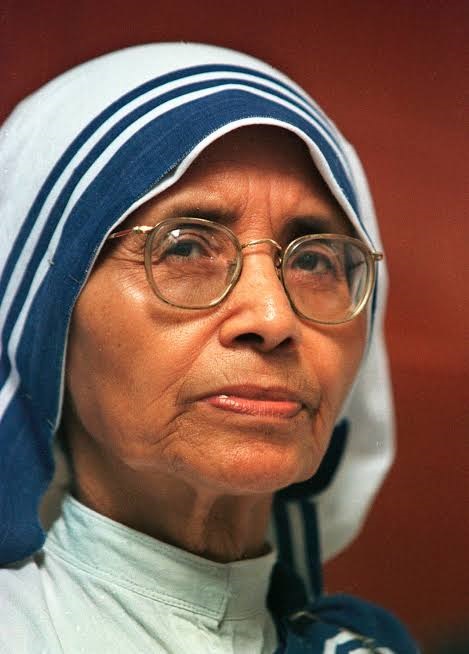
Sister Nirmala Joshi was a respected Indian nun and social worker who dedicated her life to serving poor, sick, and abandoned people. She was the second Superior General of the Missionaries of Charity after Mother Teresa. Through her humanitarian work, leadership, and commitment to helping the needy, Sister Nirmala became an important figure in India’s social service movement.
Early Life
Sister Nirmala Joshi was born as Nirmala Joshi on 23 July 1934 in Ranchi, Bihar Province, British India (now in Jharkhand, India). She was born into a Hindu Brahmin family originally from Nepal.
She was deeply influenced by the values of compassion, kindness, and service. Later, she converted to Christianity and joined the Missionaries of Charity, where she devoted her life to helping disadvantaged people.
Birth Date and Death
Full Name: Sister Nirmala Joshi
Date of Birth: 23 July 1934
Place of Birth: Ranchi, Jharkhand, India
Date of Death: 23 June 2015
Place of Death: Kolkata, West Bengal, India
She passed away at the age of 80 after a lifetime of humanitarian service.
Education and Career
Sister Nirmala completed her education in India and earned a Master’s degree in Political Science from the University of Calcutta.
After completing her studies, she joined the Missionaries of Charity and began working alongside Mother Teresa. She received training in religious service and later became a key leader in the organization.
Her career included:
- Serving the poor and marginalized communities.
- Managing charitable activities of the Missionaries of Charity.
- Leading humanitarian projects in India and abroad.
- Guiding the organization after Mother Teresa’s retirement.
Why Did Sister Nirmala Joshi Receive the Padma Vibhushan Award?
Sister Nirmala Joshi received the Padma Vibhushan in 2009, one of India’s highest civilian awards, for her exceptional contribution to social service and humanitarian work.
She was honoured because of:
- Her lifelong dedication to helping the poor, homeless, and suffering people.
- Her leadership of the Missionaries of Charity.
- Her efforts in continuing Mother Teresa’s mission of compassion and service.
- Her contribution to improving the lives of vulnerable communities.
Career and Achievements
Sister Nirmala made significant contributions through her social and spiritual work.
Major Achievements:
- Became the first successor of Mother Teresa as the Superior General of the Missionaries of Charity in 1997.
- Expanded the organization’s charitable activities around the world.
- Worked for the welfare of people suffering from poverty, illness, and abandonment.
- Established and supported homes for the sick, elderly, children, and homeless people.
- Promoted peace, kindness, and selfless service.
Field of Achievements
Sister Nirmala Joshi’s main fields of achievement were:
- Social Service
- Humanitarian Work
- Charity and Community Welfare
- Spiritual Leadership
- Care for the Underprivileged
Her work focused on serving humanity without discrimination based on religion, caste, or background.
Awards and Honours
Sister Nirmala received several honours for her dedication to social service, including:
- Padma Vibhushan (2009) – India’s second-highest civilian award.
- Padma Shri (2005) – For her contribution to social service.
- Various national and international recognitions for humanitarian efforts.
Interesting Facts About Sister Nirmala Joshi
- She was the first successor of Mother Teresa to lead the Missionaries of Charity.
- She was originally born into a Hindu family and later became a Christian.
- She studied political science before dedicating her life to social work.
- She helped expand the Missionaries of Charity’s work beyond India.
- She believed that serving humanity was a way of spreading love and compassion.
- She continued Mother Teresa’s mission of caring for the poorest sections of society.
Legacy and Inspiration
Sister Nirmala Joshi’s life remains an example of selfless service and compassion. She showed that leadership is not only about power but also about responsibility, kindness, and helping others.
Her dedication continues to inspire social workers, volunteers, and people around the world to contribute to society and support those in need.
Contribution to the Nation
Sister Nirmala contributed to India by:
- Supporting poor and vulnerable communities.
- Providing care for abandoned children, elderly people, and the sick.
- Strengthening charitable services across India.
- Promoting values of kindness, humanity, and social responsibility.
- Continuing the humanitarian mission started by Mother Teresa.
Her work brought international recognition to India’s tradition of service and compassion.
Conclusion
Sister Nirmala Joshi was a remarkable humanitarian and spiritual leader who devoted her life to serving humanity. Through her work with the Missionaries of Charity, she brought hope and care to thousands of people in need. Her Padma Vibhushan award reflects her extraordinary contribution to social service and her lifelong commitment to compassion, love, and selfless dedication. Her legacy continues to inspire people to work for a kinder and more caring world.
About the Author