Introduction
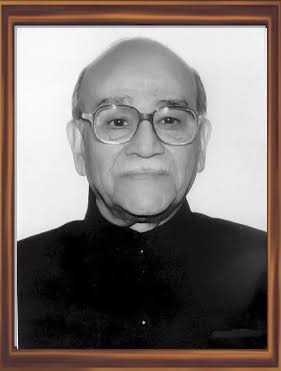
Adarsh Sein Anand was one of India’s most distinguished jurists and legal scholars. He served as the 29th Chief Justice of India and made significant contributions to strengthening the Indian judiciary, promoting human rights, and improving access to justice. Throughout his career, he was known for his commitment to constitutional values, judicial independence, and the protection of fundamental rights. In recognition of his outstanding service to the nation in the field of public affairs, he was awarded the Padma Vibhushan in 2008.
Why Did He Receive the Padma Vibhushan Award?
Adarsh Sein Anand received the Padma Vibhushan, India’s second-highest civilian honor, in 2008 for his exceptional contribution to Public Affairs, particularly in the field of the judiciary and the administration of justice.
The award recognized his:
- Distinguished career as one of India’s leading judges.
- Leadership as the Chief Justice of India.
- Contributions to judicial reforms and legal administration.
- Efforts to improve access to justice for marginalized communities.
- Promotion of human rights and constitutional values.
- Long and dedicated service to the Indian legal system.
Career and Achievements
Adarsh Sein Anand had a remarkable judicial career spanning more than four decades.
Major Positions Held
- Began his legal practice at the Jammu and Kashmir High Court.
- Appointed as a Judge of the Jammu and Kashmir High Court.
- Served as the Chief Justice of the Madras High Court.
- Served as the Chief Justice of the Punjab and Haryana High Court.
- Appointed Judge of the Supreme Court of India in 1991.
- Served as the 29th Chief Justice of India from 10 October 1998 to 31 October 2001.
- Later served as the Chairman of the National Human Rights Commission.
Major Achievements
- Strengthened judicial independence and constitutional governance.
- Encouraged judicial reforms and modernization of courts.
- Supported legal aid initiatives for economically weaker sections.
- Promoted human rights awareness and protection.
- Delivered several landmark judgments that influenced Indian constitutional law.
- Enhanced the efficiency and transparency of the judiciary.
Early Life
Adarsh Sein Anand was born into a family deeply connected with law and public service. His father was a respected judge, which inspired his interest in the legal profession from an early age. His dedication to education, discipline, and justice laid the foundation for his distinguished judicial career.
Birth Date and Death
- Birth Date: 1 November 1936
- Birth Place: Jammu, Jammu and Kashmir, British India (now in India)
- Death Date: 1 December 2021
- Age at Death: 85 years
- Place of Death: New Delhi, India
Education and Career
Education
- Graduated from Government Gandhi Memorial Science College.
- Studied law at the University of Jammu.
- Enrolled as an advocate in the early 1960s and began practicing law.
Career
His legal career progressed steadily through the judiciary. He served in several High Courts before becoming a judge of the Supreme Court. As Chief Justice of India, he emphasized judicial accountability, faster justice delivery, and protection of constitutional rights. After retirement, he continued serving the nation through the National Human Rights Commission.
Field of Achievement
Adarsh Sein Anand made remarkable contributions in:
- Judiciary
- Public Affairs
- Constitutional Law
- Human Rights
- Judicial Administration
- Legal Reforms
Awards and Honours
Adarsh Sein Anand received numerous honors during his distinguished career.
- Padma Vibhushan (2008) – India’s second-highest civilian award for exceptional service in Public Affairs.
- Honorary doctorates from several universities.
- National and international recognition for promoting judicial excellence and human rights.
- Respected globally for his contribution to constitutional law.
Interesting Facts
- He became the 29th Chief Justice of India in 1998.
- His father, Justice A. N. Anand, was also a prominent judge.
- He was actively involved in expanding legal aid services for underprivileged citizens.
- After retirement, he continued public service as the Chairman of the National Human Rights Commission.
- He represented India at numerous international judicial conferences.
- He strongly advocated judicial independence and protection of fundamental rights.
Legacy and Inspiration
Adarsh Sein Anand’s legacy is defined by his unwavering commitment to justice, constitutional values, and human dignity. His judicial philosophy emphasized fairness, equality before the law, and protection of individual rights. His work continues to inspire judges, lawyers, law students, and civil servants across India. His leadership demonstrated that an independent judiciary is essential for a strong democracy.
Contribution to the Nation
Adarsh Sein Anand contributed significantly to India’s legal and democratic institutions by:
- Upholding the Constitution and the rule of law.
- Strengthening judicial independence.
- Promoting judicial reforms and court modernization.
- Expanding access to justice for disadvantaged communities.
- Advancing the protection of human rights.
- Enhancing public confidence in the judiciary.
- Representing India with distinction in international legal forums.
Conclusion
Adarsh Sein Anand was one of India’s most respected Chief Justices, remembered for his integrity, wisdom, and dedication to justice. His contributions to constitutional law, judicial reform, and human rights strengthened India’s democratic institutions and left a lasting impact on the nation’s legal system. The Padma Vibhushan honored his lifetime of exceptional service to public affairs. His legacy continues to inspire generations of judges, lawyers, and citizens to uphold justice, fairness, and the rule of law.
About the Author