
Introduction
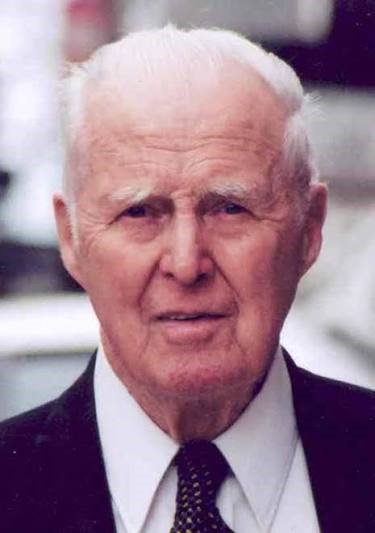
Norman Borlaug was a renowned American agricultural scientist, humanitarian, and Nobel Peace Prize winner. He is widely known as the “Father of the Green Revolution” for his groundbreaking work in developing high-yielding crop varieties and improving agricultural practices. His research helped increase food production and reduce hunger in many parts of the world, including India.
Early Life
Norman Ernest Borlaug was born into a farming family in Iowa, United States. Growing up on a farm gave him a deep understanding of agriculture and the challenges faced by farmers.
His early experiences with farming influenced his decision to study agriculture and work toward solving global food shortages.
Birth Date and Death
- Birth: 25 March 1914
- Birthplace: Cresco, Iowa, United States
- Death: 12 September 2009
- Place of Death: Dallas, Texas, United States
Norman Borlaug lived for 95 years and dedicated most of his life to improving global food security.
Education and Career
Norman Borlaug studied agricultural science and earned his:
- Bachelor’s degree in forestry from the University of Minnesota.
- Master’s and Ph.D. degrees in plant pathology from the University of Minnesota.
He began his scientific career working on crop improvement and later joined the International Maize and Wheat Improvement Center (CIMMYT) in Mexico.
Through years of research, he developed improved wheat varieties that were resistant to diseases and produced higher yields.
Career and Achievements
Norman Borlaug’s major achievements include:
- Developing high-yielding and disease-resistant wheat varieties.
- Leading agricultural research programs that increased food production.
- Helping introduce modern farming techniques in developing countries.
- Playing a major role in the Green Revolution, which transformed agriculture in countries such as India and Mexico.
- Working with Indian agricultural scientists to improve wheat production.
- Helping save millions of people from hunger through increased food availability.
His work changed the future of agriculture and demonstrated how science could address global challenges.
Why Did Norman Borlaug Receive the Padma Vibhushan Award?
Norman Borlaug was awarded the Padma Vibhushan in 2006 by the Government of India for his exceptional contribution to science and engineering.
He received this honour because of:
- His major role in improving India’s agricultural productivity.
- His contribution to the success of India’s Green Revolution.
- His efforts to increase food security and reduce hunger.
- His collaboration with Indian agricultural scientists and farmers.
- His lifelong commitment to using science for human welfare.
Field of Achievements
Norman Borlaug made important contributions in the following fields:
1. Agricultural Science
He developed improved crop varieties that increased food production worldwide.
2. Food Security
His research helped many countries become more self-sufficient in food production.
3. Plant Breeding
He developed wheat varieties with better resistance to diseases and higher yields.
4. Global Hunger Reduction
His innovations helped millions of people gain access to sufficient food.
Awards and Honours
Norman Borlaug received numerous international awards, including:
- Nobel Peace Prize (1970) – for his contribution to increasing food production and fighting hunger.
- Padma Vibhushan (2006) – India’s second-highest civilian award.
- Presidential Medal of Freedom (1977) – one of the highest civilian honours of the United States.
- National Medal of Science (2000) – awarded by the United States.
- Numerous awards from agricultural and scientific organizations worldwide.
Interesting Facts About Norman Borlaug
- He is known as the “Father of the Green Revolution.”
- His research is estimated to have saved hundreds of millions of lives from starvation.
- He worked closely with Indian agricultural experts during the Green Revolution.
- He believed that science and technology could help solve world hunger.
- He continued working on agricultural development even after retirement.
- He was one of the few scientists to receive the Nobel Peace Prize.
Legacy and Inspiration
Norman Borlaug’s legacy continues through agricultural research institutions and farming innovations around the world. His life shows how scientific knowledge and dedication can create solutions to major global problems.
He remains an inspiration for scientists, farmers, and environmental researchers working toward sustainable food production and global food security.
Contribution to the Nation (India)
Norman Borlaug contributed to India by:
- Supporting the development of high-yield wheat varieties.
- Helping India overcome food shortages during the 1960s.
- Working with Indian scientists such as M. S. Swaminathan to strengthen agricultural production.
- Contributing to the success of India’s Green Revolution.
- Helping improve the lives of millions of farmers.
Conclusion
Norman Borlaug was a visionary agricultural scientist whose work changed the course of world history. His innovations in crop science helped fight hunger and improve food security across the globe. His contribution to India’s Green Revolution earned him the Padma Vibhushan award and a special place in India’s agricultural development story. His life remains an example of how science, dedication, and humanitarian values can benefit humanity.
About the Author