Introduction
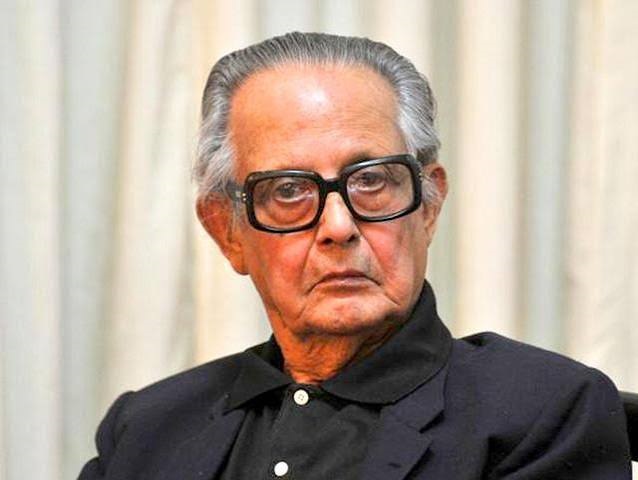
R. K. Laxman was one of India’s greatest cartoonists, illustrators, and writers. He became famous for his creation of “The Common Man,” a character that represented the ordinary Indian citizen and their experiences with politics, society, and daily life. Through his sharp humour and simple yet powerful cartoons, Laxman commented on social issues, government policies, and political events for more than five decades.
Early Life
Rasipuram Krishnaswami Laxman was born into a Tamil-speaking family in Mysore. He developed an interest in drawing from childhood and often created sketches inspired by his surroundings.
Even as a young boy, he showed great talent in art and observation. His ability to notice small details of everyday life later became the foundation of his successful career as a cartoonist.
Birth Date and Death
- Birth: 24 October 1921
- Birthplace: Mysore, Kingdom of Mysore, British India (present-day Karnataka, India)
- Death: 26 January 2015
- Place of Death: Pune, Maharashtra, India
R. K. Laxman lived for 93 years and left behind a remarkable legacy in Indian journalism and art.
Education and Career
R. K. Laxman completed his schooling in Mysore and studied at the Maharaja’s College, Mysore. He wanted to study at the Sir J. J. School of Art in Mumbai, but he was not admitted due to his age at that time. He later pursued his passion for art through self-learning and practice.
He began his professional career as a cartoonist and illustrator. He worked with newspapers and magazines before joining The Times of India, where he became famous for his daily cartoon series “You Said It.”
Career and Achievements
R. K. Laxman achieved many milestones during his long career:
- Created the iconic character “The Common Man” in 1951.
- Worked as a cartoonist for The Times of India for several decades.
- Used cartoons to highlight political issues, corruption, social problems, and public concerns.
- Became one of the most influential newspaper cartoonists in India.
- Wrote books and illustrated stories, including the famous The Tunnel of Time.
- Inspired generations of cartoonists and artists.
His cartoons became a reflection of Indian society and politics.
Why Did R. K. Laxman Receive the Padma Vibhushan Award?
R. K. Laxman was awarded the Padma Vibhushan in 2005 for his outstanding contribution to art and literature.
He received this prestigious honour because of:
- His exceptional contribution to Indian cartoon art.
- His ability to represent social and political issues through humour.
- His creation of “The Common Man,” which became a symbol of ordinary citizens.
- His influence on Indian journalism and visual storytelling.
- His role in making cartoons a powerful medium of public expression.
Field of Achievements
R. K. Laxman made major contributions in the following fields:
1. Cartoon Art
He transformed political cartooning into a respected form of artistic expression in India.
2. Journalism
Through his newspaper cartoons, he provided social and political commentary.
3. Literature and Illustration
He wrote books and created illustrations that entertained and educated readers.
4. Social Awareness
His cartoons highlighted the struggles, hopes, and concerns of ordinary people.
Awards and Honours
R. K. Laxman received numerous awards and recognitions, including:
- Padma Bhushan (1973) – awarded by the Government of India.
- Padma Vibhushan (2005) – India’s second-highest civilian award.
- Ramon Magsaysay Award (1984) – for Journalism, Literature, and Creative Communication Arts.
- B. D. Goenka Award for Excellence in Journalism.
- Several honorary doctorates from Indian universities.
Interesting Facts About R. K. Laxman
- He created the famous character “The Common Man,” who appeared in his cartoons for decades.
- He started drawing cartoons while he was still a child.
- His cartoons were known for humour without unnecessary cruelty.
- He worked as a cartoonist for more than 50 years.
- He was the younger brother of famous Indian writer R. K. Narayan.
- Google honoured him with a special doodle celebrating his contribution to Indian cartoon art.
Legacy and Inspiration
R. K. Laxman’s work continues to inspire artists, journalists, and cartoonists. His ability to combine humour with social criticism made his cartoons timeless.
The “Common Man” remains a powerful symbol of ordinary citizens dealing with everyday challenges. His work showed that cartoons can influence public opinion and encourage people to think about society.
Contribution to the Nation
R. K. Laxman contributed to India by:
- Giving a voice to common citizens through his cartoons.
- Highlighting social and political issues with humour and intelligence.
- Strengthening the role of cartoons in Indian journalism.
- Encouraging freedom of expression and public awareness.
- Inspiring future generations of artists and writers.
Conclusion
R. K. Laxman was not just a cartoonist but a keen observer of Indian society and a storyteller who communicated through art. His creation of the “Common Man” and his decades of meaningful cartoons made him a national icon. His contributions to journalism, art, and social awareness earned him the prestigious Padma Vibhushan award and a permanent place in India’s cultural history.
About the Author