Early Life and Education
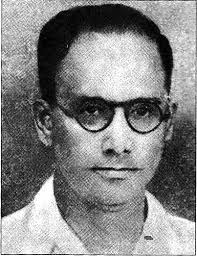
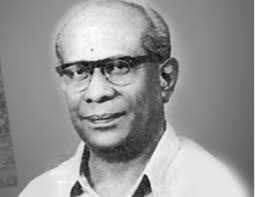
T. S. Chockalingam was born on 3 May 1899 in Tenkasi, in the Tirunelveli region of present-day Tamil Nadu. He was the son of Sankaralingam Pillai and Lakshmiyammal. His family owned a well-known general store called Madathukadai. After the death of his father and the arrest of his elder brother in a political case, Chockalingam had to help manage the family business, which interrupted his formal education. Despite these challenges, he developed a strong interest in literature, politics, and journalism.
Education & Skills
Although his formal schooling was limited, Chockalingam educated himself through extensive reading and public engagement. He became proficient in:
- Tamil language and literature
- Journalism and editorial writing
- Political communication
- Translation and literary criticism
- Public speaking and leadership
His writing style was simple, powerful, and accessible to ordinary readers, making him one of the most influential Tamil journalists of his era.
Contribution to Tamil Literature
T. S. Chockalingam made remarkable contributions to modern Tamil literature and journalism.
Founder of Literary Magazines
In 1933, he co-founded the influential Tamil literary magazine Manikkodi, which became the center of the famous Manikkodi Literary Movement. The magazine encouraged modern literary styles and introduced several important writers to Tamil readers.
Support for Tamil Writers
Chockalingam played a major role in promoting the career of Pudhumaipithan, one of Tamil literature’s greatest short-story writers. He provided publishing opportunities through various magazines and newspapers.
Literary Works
His literary contributions included:
- Translation of War and Peace into Tamil, which influenced the development of modern Tamil prose.
- Biographical works on national leaders such as:
- Jawaharlal Nehru
- Subhas Chandra Bose
- K. Kamaraj
- Short stories including Alli Vijayam.
Role in India’s Freedom Movement
T. S. Chockalingam was not only a journalist but also an active participant in India’s struggle for independence.
Nationalist Journalism
He used newspapers and magazines to spread nationalist ideas and encourage resistance against British rule. His publications promoted Indian unity, self-respect, and freedom.
Political Involvement
In 1937, he was elected to the Legislative Assembly of the Madras Presidency as a member of the Indian National Congress, representing the Tenkasi constituency.
Editor of Dinamani
Chockalingam became the first editor of Dinamani. Through its editorials, he advocated nationalism, social reform, and political awareness among Tamil readers. His influence made him one of the most respected nationalist journalists in South India.
Personal Life
Chockalingam came from a family deeply involved in public service and the freedom movement. Despite financial and social challenges, he remained committed to journalism, literature, and national causes throughout his life. He maintained close relationships with leading writers, journalists, and political leaders of his time.
Death
T. S. Chockalingam passed away on 6 January 1966. His death marked the end of a distinguished career in journalism and public life, but his influence on Tamil literature and nationalist journalism continues to be remembered.
Why Important in Indian History
- One of the pioneers of modern Tamil journalism.
- Used journalism as a tool for India’s freedom struggle.
- Co-founder of the influential Manikkodi movement.
- Helped shape modern Tamil literary culture.
- Encouraged and supported many future literary legends.
- Promoted nationalism, social reform, and Tamil identity through the press.
Legacy and Recognition
Today, T. S. Chockalingam is remembered as one of Tamil Nadu’s most influential journalist-freedom fighters. Scholars regard him as a key figure in both Tamil journalism and literary history. His work helped establish standards of independent journalism and fostered a generation of important Tamil writers.
Conclusion
T. S. Chockalingam’s life demonstrates how journalism, literature, and patriotism can work together to shape society. As a writer, editor, freedom fighter, and mentor to emerging literary talents, he left a lasting mark on Tamil culture and India’s nationalist movement. His contributions continue to inspire journalists, writers, and historians across generations.
About the Author