Introduction
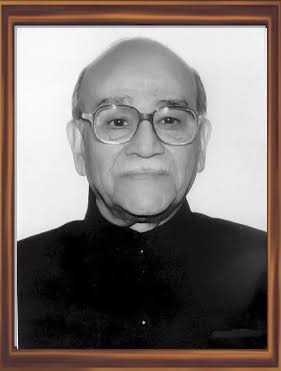
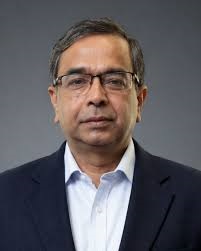
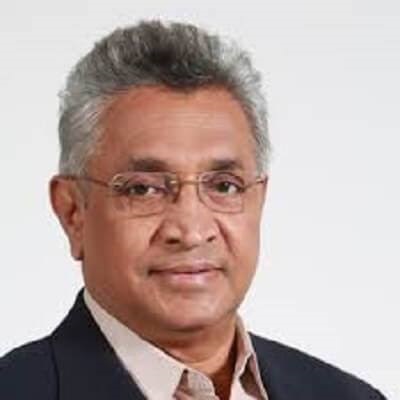
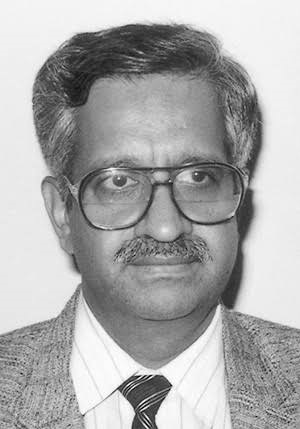
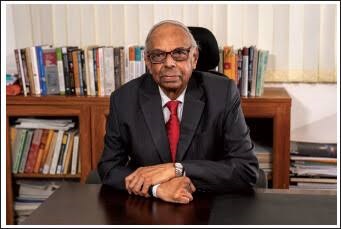
C. Rangarajan is one of India’s most respected economists, policymakers, and administrators. Throughout his distinguished career, he has played a crucial role in shaping India’s monetary policy, financial sector reforms, and economic planning. As the former Governor of the Reserve Bank of India, former Governor of Andhra Pradesh, and Chairman of the Prime Minister’s Economic Advisory Council, he has significantly contributed to India’s economic growth and development. In recognition of his exceptional public service and contributions to economics, he was awarded the Padma Vibhushan.
Early Life
Chakravarthi Rangarajan was born in Tamil Nadu and showed an early interest in mathematics and economics. His strong academic background and analytical abilities led him to pursue higher education in economics, eventually becoming one of India’s leading economic thinkers.
His passion for public policy and economic research laid the foundation for a career that would influence India’s financial system for decades.
Birth Date and Death
- Full Name: Chakravarthi Rangarajan
- Popular Name: C. Rangarajan
- Date of Birth: 22 December 1932
- Place of Birth: Tamil Nadu, India
- Age: 93 years (as of 2026)
- Death: He is alive.
Education and Career
Education
C. Rangarajan completed his higher education in economics with outstanding academic achievements.
His educational qualifications include:
- Bachelor’s and Master’s degrees in Economics from University of Madras.
- Ph.D. in Economics from the University of Pennsylvania, specializing in monetary economics and public finance.
His academic training prepared him for a distinguished career in research, policymaking, and public administration.
Career
C. Rangarajan has held several of India’s most important economic and administrative positions, including:
- Professor of Economics.
- Deputy Governor of the Reserve Bank of India.
- Governor of the Reserve Bank of India (1992–1997).
- Governor of Andhra Pradesh (1997–2003).
- Member of the Rajya Sabha.
- Chairman of the Prime Minister’s Economic Advisory Council.
- Chairman of the Twelfth Finance Commission.
He also served on numerous national and international committees dealing with banking, finance, and economic reforms.
Why Did He Receive the Padma Vibhushan Award?
C. Rangarajan received the Padma Vibhushan in 2008 for his outstanding contributions to public affairs and economics.
He was honored because he:
- Strengthened India’s monetary and banking systems.
- Played a key role in India’s economic liberalization during the 1990s.
- Improved financial regulation and banking reforms.
- Guided India’s macroeconomic policies during periods of economic transition.
- Contributed extensively to fiscal policy, economic planning, and poverty reduction strategies.
His leadership helped build a stronger and more stable Indian economy.
Career and Achievements
C. Rangarajan has made numerous significant contributions throughout his career.
Some of his major achievements include:
- Led the Reserve Bank of India during India’s economic reforms.
- Introduced important monetary policy measures to control inflation.
- Strengthened India’s financial institutions.
- Advised multiple Prime Ministers on economic policy.
- Chaired the Twelfth Finance Commission.
- Authored several influential books and research papers on economics.
- Contributed to policies on poverty estimation, banking reforms, and fiscal management.
His work continues to influence India’s economic policymaking.
Field of Achievement
C. Rangarajan’s primary fields of achievement include:
- Economics
- Monetary Policy
- Banking and Finance
- Public Administration
- Economic Planning
- Fiscal Policy
- Public Affairs
Awards and Honours
C. Rangarajan has received several prestigious awards and recognitions, including:
- Padma Bhushan (2002)
- Padma Vibhushan (2008)
- Honorary Doctorates from several Indian universities.
- Fellowships from leading academic and economic institutions.
- National and international recognition for contributions to economics and public policy.
Interesting Facts
- He served as the 19th Governor of the Reserve Bank of India from 1992 to 1997.
- He played an important role in implementing financial reforms after India’s economic liberalization.
- He later served as the Governor of Andhra Pradesh.
- He chaired the Prime Minister’s Economic Advisory Council under different governments.
- He has written extensively on monetary economics, inflation, fiscal policy, and economic development.
- He is widely regarded as one of India’s foremost economists and policy advisors.
Legacy and Inspiration
C. Rangarajan’s legacy lies in his profound influence on India’s economic institutions and public policy. His balanced approach to monetary management, banking reform, and fiscal discipline helped strengthen India’s economy during critical periods of change.
His career demonstrates the importance of combining academic excellence with practical policymaking, inspiring economists, civil servants, and public administrators across India.
Contribution to the Nation
C. Rangarajan has made lasting contributions to India’s economic and financial development by:
- Strengthening the Reserve Bank of India’s role in monetary policy.
- Supporting economic liberalization and financial sector reforms.
- Improving banking regulation and financial stability.
- Advising governments on fiscal and economic policies.
- Contributing to poverty estimation and development planning.
- Promoting sustainable and inclusive economic growth.
His work has had a lasting impact on India’s economic governance and institutional development.
Conclusion
C. Rangarajan is one of India’s most distinguished economists and policymakers. His leadership in monetary policy, banking reforms, and economic planning has played a significant role in shaping modern India’s financial system. As Governor of the Reserve Bank of India, Governor of Andhra Pradesh, and Chairman of the Prime Minister’s Economic Advisory Council, he contributed to policies that strengthened economic stability and growth. The Padma Vibhushan recognized his exceptional service to the nation, and his legacy continues to inspire economists, policymakers, and students committed to India’s development.
About the Author