

Introduction
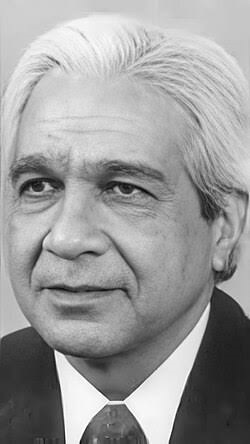
Sikander Bakht was a distinguished Indian politician, parliamentarian, and statesman who made significant contributions to the country’s political and administrative landscape. A senior leader of the Bharatiya Janata Party (BJP), he served as a Union Cabinet Minister, Member of Parliament, and Governor of Kerala. Known for his integrity, administrative ability, and commitment to public service, Sikander Bakht played an important role in national politics for several decades. In recognition of his lifelong service to the nation, he was posthumously awarded the Padma Vibhushan, India’s second-highest civilian honour.
Early Life
Sikander Bakht was born in Delhi into a respected family. He pursued his education in the city and developed an early interest in public service and politics. Before entering active politics, he worked in the engineering field. His leadership qualities and dedication eventually led him to become one of the most prominent Muslim leaders in Indian politics.
Birth Date and Death
- Born: August 24, 1918
- Place of Birth: Delhi, British India (now New Delhi, India)
- Died: February 23, 2004
- Place of Death: Thiruvananthapuram, Kerala, India
- Age at Death: 85 years
Education and Career
Education
- Completed his schooling in Delhi.
- Graduated in Engineering from Delhi Polytechnic (now Delhi Technological University).
Career
Sikander Bakht began his career as an engineer before entering politics.
During his political career, he held several important positions, including:
- Member of the Rajya Sabha.
- Union Minister for Works and Housing.
- Union Minister for External Affairs (briefly, with additional responsibilities).
- Union Minister for Industry.
- Leader of the Opposition in the Rajya Sabha.
- Governor of Kerala (2002–2004).
He was widely respected for his parliamentary skills and administrative experience.
Career and Achievements
1. Senior BJP Leader
Sikander Bakht was among the founding generation of senior leaders who helped strengthen the Bharatiya Janata Party at the national level.
2. Union Cabinet Minister
He successfully handled important ministerial portfolios, contributing to industrial development, housing, and infrastructure.
3. Parliamentary Leadership
As Leader of the Opposition in the Rajya Sabha, he played a significant role in parliamentary debates and democratic governance.
4. Governor of Kerala
As Governor, he upheld constitutional values and ensured the smooth functioning of the state’s administration.
5. Advocate of National Unity
He promoted communal harmony and demonstrated that leadership and public service transcend religious and cultural backgrounds.
Why Did Sikander Bakht Receive the Padma Vibhushan Award?
Sikander Bakht was posthumously awarded the Padma Vibhushan in 2008 for his exceptional contribution to public affairs and national service.
The honour recognized his:
- Distinguished career in public service.
- Outstanding contribution to Indian parliamentary democracy.
- Effective leadership as a Union Cabinet Minister.
- Dedicated service as Governor of Kerala.
- Lifelong commitment to constitutional governance and national development.
Field of Achievement
Sikander Bakht made significant contributions in:
- Politics
- Public Affairs
- Parliamentary Democracy
- Governance
- Public Administration
- National Integration
Awards and Honours
Sikander Bakht received several honours during and after his lifetime, including:
- Padma Vibhushan (2008, posthumously) – India’s second-highest civilian honour for distinguished service in public affairs.
- Recognition for his contributions to Indian democracy and public administration.
- Respect across political parties for his integrity, leadership, and parliamentary conduct.
Interesting Facts
- Sikander Bakht was one of the most prominent Muslim leaders in the Bharatiya Janata Party.
- Before entering politics, he worked as an engineer.
- He served both in the Union Cabinet and later as Governor of Kerala.
- He was known for his courteous nature and ability to maintain cordial relationships across party lines.
- He remained active in public life for several decades and was admired for his dedication to democratic values.
Legacy and Inspiration
Sikander Bakht’s legacy is one of dedicated public service, constitutional responsibility, and inclusive leadership. He demonstrated that integrity, hard work, and commitment to the nation are the foundations of effective political leadership. His career continues to inspire young politicians and public servants to uphold democratic values and work for the welfare of all citizens.
Contribution to the Nation
Sikander Bakht made lasting contributions to India by:
- Strengthening parliamentary democracy through effective legislative leadership.
- Contributing to national development as a Union Cabinet Minister.
- Supporting industrial growth and infrastructure development.
- Upholding constitutional principles as Governor of Kerala.
- Promoting communal harmony and national unity.
- Encouraging ethical and responsible public service.
Conclusion
Sikander Bakht was a respected statesman whose distinguished career reflected dedication, integrity, and commitment to India’s democratic institutions. Through his service as a Union Minister, parliamentarian, and Governor, he contributed significantly to governance and national development. His posthumous Padma Vibhushan recognized his exceptional contribution to public affairs and the nation. His life remains an inspiring example of leadership, public service, and unwavering commitment to India’s progress.
About the Author




